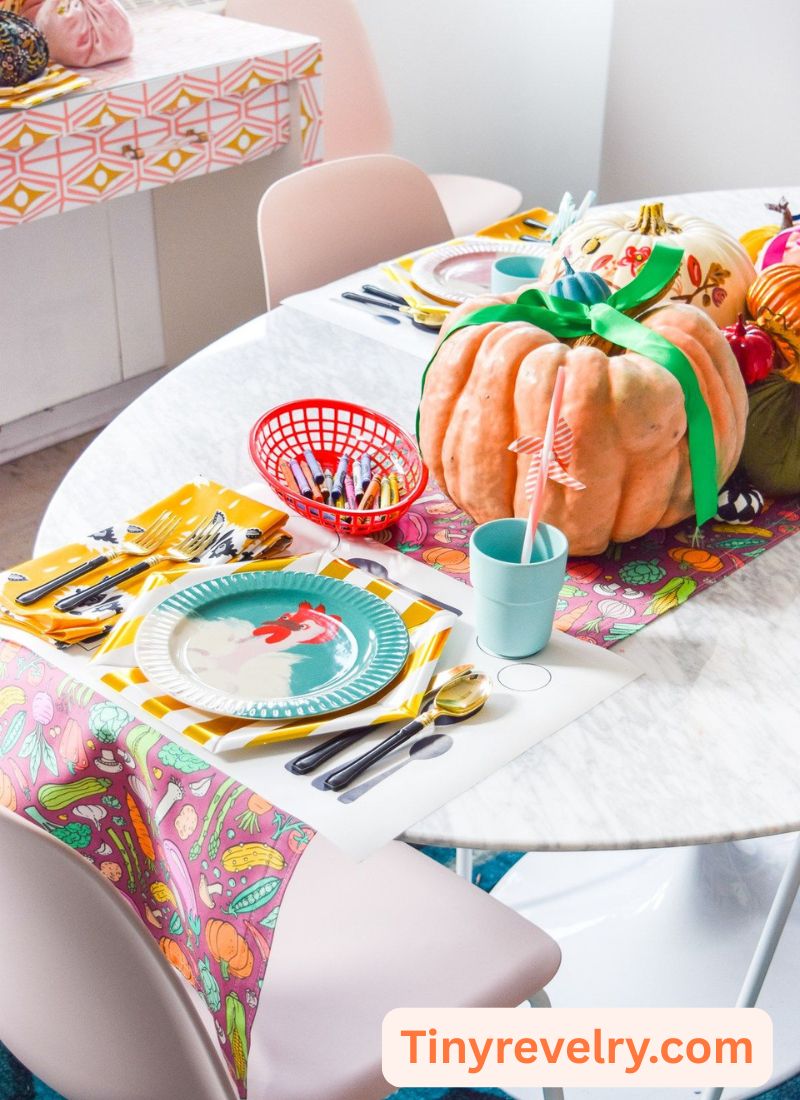
There are a lot of things kids need to see on the Thanksgiving table for them to be excited, and most parents never stop to list them. A table thrown together at the last minute often leaves kids bored within minutes of sitting down. A rushed setup also adds stress to the parent trying to finish cooking at the same time.
That boredom turns into wiggling, complaining, and constant trips to find a parent in the kitchen. Each interruption pulls attention away from the meal, the guests, and the holiday itself that day. The whole point of a kids’ table gets lost when nobody actually plans for what makes kids want to stay. A table meant to free up adults instead ends up demanding even more parental attention.
A table built with real intention changes that outcome, and it rarely needs to cost much. For twenty-five ready-to-use ideas you can pull from right away, see 25 Thanksgiving Kids’ Table Ideas That Will Make Dinner Extra Special.
This guide walks through the planning, setup, and small touches that make a kids’ table genuinely exciting. Each section below covers one piece of the plan, from food to the final cleanup. You will learn how to balance food, fun, and comfort so kids actually want to sit down. None of it requires a big budget, only a bit of thought ahead of time.
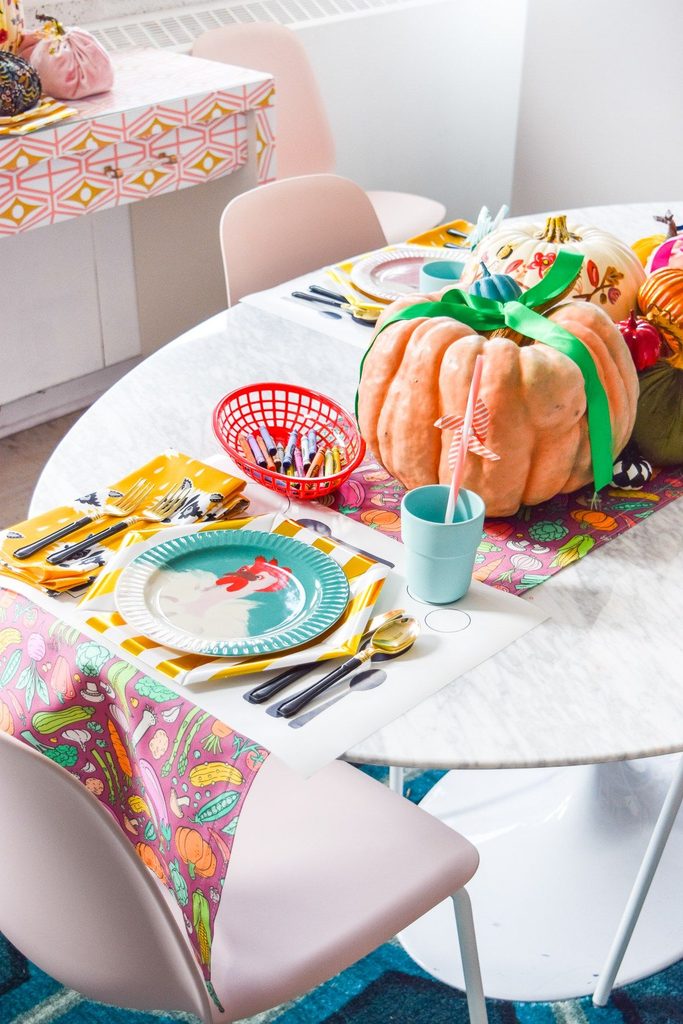
How to Create a Thanksgiving Kids’ Table They’ll Be Excited to Sit At
Start by Asking Kids What They Want
The fastest way to build a table kids love is to ask them directly what excites them most. Sit down a week or two before the holiday and talk through food, decorations, and activities together.
Kids often surprise parents with simple requests, like a favorite placemat or a specific small treat. Sometimes the smallest request turns out to matter the most to a child on the day.
Write down their answers, and treat the list as a real plan rather than a passing conversation. A short list pinned in the kitchen keeps everyone aligned in the busy days ahead.
Involving kids early also builds anticipation, since they start looking forward to the day well in advance.
That early excitement often carries through the whole lead-up all the way to the holiday itself. A table shaped by their own ideas feels personal in a way a surprise setup never quite manages.
This step costs nothing and takes only a few minutes out of a busy week. Even a rushed conversation on a car ride can surface a few genuinely useful ideas.
Revisit the list the night before, and check off what you have managed to prepare so far. This quick check prevents the last-minute scramble that so often derails busy holiday mornings entirely.
A little input goes a long way toward a table kids feel genuinely excited to sit at. Even a single requested item, like a favorite cup, can make a child feel truly heard.
You’ll Love This: How to Plan a Thanksgiving Kids’ Celebration They Will Actually Enjoy

Pick a Theme That Feels Fun, Not Formal
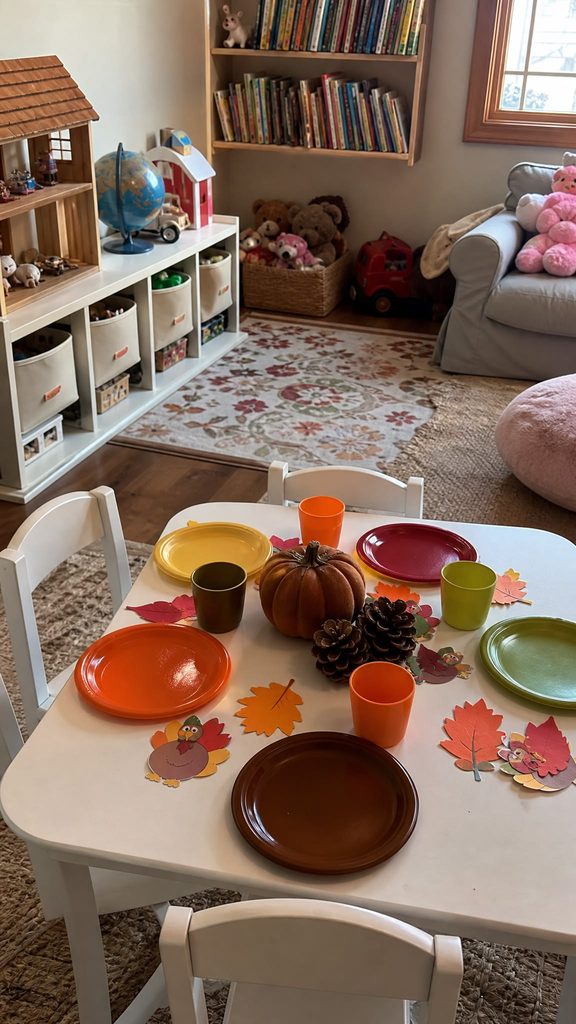
A loose theme gives the table direction without turning setup into a stressful design project. Simple options like woodland animals, harvest colors, or a friendly turkey motif work well for most ages.
Avoid anything too formal or fragile, since kids’ tables need to handle spills, crayons, and excited elbows. Durable items usually win out over delicate ones at a table full of small, busy hands.
Let the theme guide small choices, like napkin colors, placemat designs, and the centerpiece you choose to use. A clear theme also makes the whole table feel pulled together, even with mismatched plates or furniture.
Consistency, more than cost, is usually what makes a table feel intentional rather than thrown together. Keep decorations durable and washable, since a kids’ table rarely stays as tidy as the adult one nearby.
Expect spills, and choose materials that can handle a quick wipe without any lasting damage.
Balancing a fun theme with practical materials matters throughout the room, as How to Keep Thanksgiving Decorations Beautiful Without Making Your Home Kid-Unfriendly explains.
A theme does not need a big budget, only a consistent color or idea repeated across a few small items. A single roll of ribbon in the right color can tie an entire table together.
Choose Food Kids Will Actually Eat
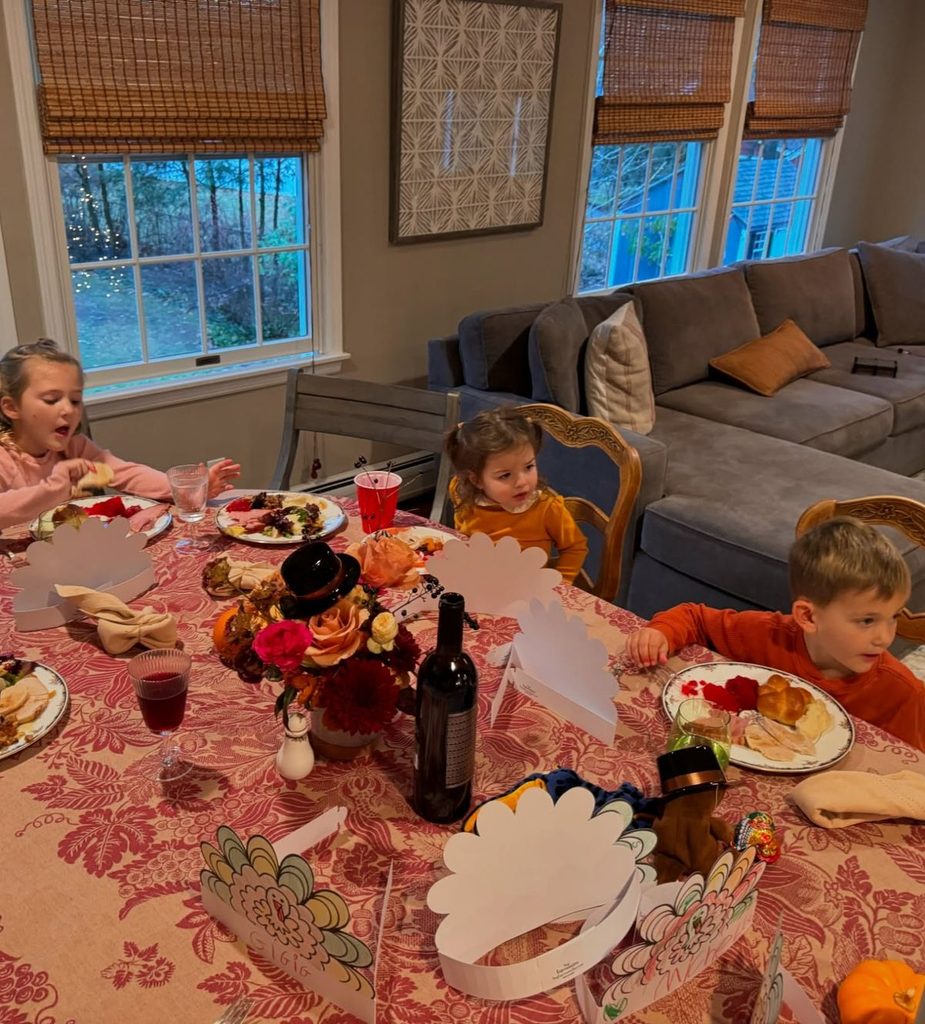
Food is often where a kids’ table succeeds or fails, regardless of how good the decorations look. Offer a few familiar dishes alongside traditional Thanksgiving food, so picky eaters have something safe to choose.
Mac and cheese, rolls, or a simple fruit cup can sit comfortably beside turkey and stuffing. These familiar anchors give hesitant eaters something safe while they consider trying something new nearby.
Keep portions smaller than adult servings, since kids often want to try a little of everything on offer. Smaller portions also reduce food waste, since kids can always come back and ask for more later.
A build-your-own plate approach, with small bowls of toppings, can turn dinner into a fun, interactive activity. This hands-on approach also gives kids a small sense of control over their own meal.
Dessert deserves its own thought too, with a mini version of pie or a simple cupcake. Kids often remember dessert most clearly, so a little extra care here pays off well.
For more on balancing new flavors with comfort foods kids already love, see How to Keep Kids Happy and Busy During Thanksgiving Dinner.
A relaxed approach to food keeps the table calm and prevents the common standoff over unfamiliar dishes. Nobody enjoys a meal spent negotiating over a single bite of something new and unfamiliar.

Make the Table the Right Size
Comfort matters more than most parents expect when it comes to keeping kids seated and happy. A table and chairs sized for a child’s height make eating and sitting far more comfortable overall.
Tall adult furniture often leaves kids squirming, since their feet dangle and their plate sits too far away.
A folding kids’ table works well if your family does not already own a dedicated children’s set. Position the table within sight of the adults, so kids still feel connected to the larger gathering.
Add a cushion or a stable step stool if a smaller child needs just a little extra height. Test the seat yourself for a moment, since what looks fine can still feel wrong.
Check that the table surface is sturdy, since excited kids tend to lean, bump, and wiggle constantly. A wobbly surface can turn a simple meal into a stressful balancing act for everyone.
A properly sized setup prevents most of the spilled cups and tipped plates common at adult-height tables. Fewer spills also mean far less interruption to the meal for the adults seated nearby.
Getting this basic detail right does more for comfort than any decoration placed on top of it. A child who sits comfortably rarely notices the table, which is exactly the point of good design.

Add Small Activities to Fill the Waiting Time
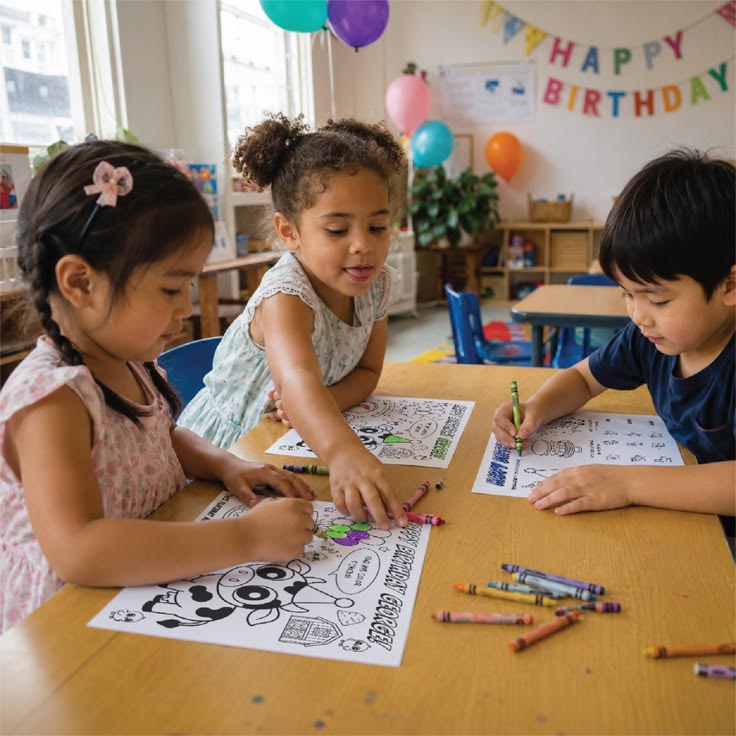
The stretch between sitting down and food actually arriving is where most kids’ table trouble begins. A simple activity, like a coloring placemat or a short trivia card, fills that gap with something fun.
For a full list of games built for this exact moment, read 27 Thanksgiving Games for Kids That Keep Everyone Laughing.
Keep activities short and low-mess, since kids will need clean hands again once the food finally arrives. Markers and paint work better as an earlier activity, well before the actual meal begins.
Rotate a few different options across the table, so siblings are not all racing for the exact same item. A little variety also keeps the table interesting for kids who finish their task quickly.
A quiet activity also gives shy kids something to focus on during a loud, crowded family gathering. A simple task in hand often eases the pressure of making small talk with relatives.
Set everything out before guests arrive, so the table is ready the moment kids take their seats. A ready table also frees you to greet guests without any last-minute scramble at all.
A few minutes of planning here prevents the restless chaos that often starts a Thanksgiving meal on edge. Calm beginnings tend to carry through the rest of the meal far more often than not.
Build in a Craft or Gratitude Moment
A small craft tied to gratitude adds meaning to the table beyond simply filling time before dinner. A thankful tree, a paper turkey, or a simple written note all work well for different ages.
These small projects double as decor once finished, giving the table a personal, handmade feel throughout the day. A handmade touch always stands out far more than almost anything bought from a store.
For more activity ideas that fit naturally around the table, see 31 Thanksgiving Activities for Kids That Make the Holiday More Fun.
Keep the craft simple enough for younger kids to finish without much help from a busy adult. A craft that takes too long often turns into frustration rather than quiet, happy focus.
Read a few finished notes or drawings aloud together before or after the meal as a group. This short ritual rarely takes more than a few minutes, yet it leaves a lasting impression.
This small ritual often becomes one of the most memorable parts of the whole day for kids. Many families find it becomes a tradition that nobody wants to skip in later years.
A gratitude moment like this teaches a lesson that lasts well beyond the holiday itself. Kids who practice naming what they appreciate often carry that habit quietly into everyday life.

Keep the Table Visually Exciting
Kids respond to color, texture, and small surprises far more than adults typically expect them to. A mix of warm fall colors, a few fun shapes, and a playful centerpiece keeps their attention.
Avoid an overly matched, formal look, since kids’ tables work best with a bit of playful imperfection.
Add small surprises, like a hidden treat under a placemat or a tiny toy tucked beside a plate. Even a small surprise adds a spark of delight to an otherwise fairly ordinary seat.
These little touches build excitement and give kids something to notice as they sit down to eat. A table full of small discoveries keeps attention on the table itself, not somewhere else.
A visually lively table signals that this spot was designed specifically with them in mind.
Keep safety in mind too, avoiding small choking hazards for very young children seated at the table. A quick check of any small decorative pieces takes only a moment before guests arrive.
Store tiny loose items out of reach until the youngest guests have left the table. A colorful, textured table does not need to be expensive, only thoughtfully put together with care.
A few dollars at a craft store often goes further than a single fancy centerpiece. Mix store-bought items with a few handmade ones for a balance of polish and personality.

Give the Table a Cozy Feel
Comfort extends beyond the chair itself, and a cozy atmosphere keeps kids calmer during a long meal. A soft blanket nearby, warm lighting, or a cushion can make the whole area feel more inviting.
This cozy approach pairs well with ideas from How to Make Your Child’s Room Feel Cozy for Thanksgiving.
Dim overhead lighting slightly, and add a few warm LED candles for a gentle, festive glow nearby. Soft lighting signals a slower pace, which naturally helps kids settle into a calmer mood.
A cozy table also gives overstimulated kids a calmer spot to settle into during a busy, loud gathering. Keep a few cushions or soft throws within reach for kids who want extra comfort during the meal.
A soft blanket nearby also doubles as a comfort item for an overtired younger child.
This small investment in atmosphere often matters more to kids than any single piece of decor. Warmth and softness register with kids in a way that polish and perfection rarely do.
A slightly imperfect, cozy table often beats a flawless one that feels too precious to touch. A warm, comfortable table encourages kids to linger happily rather than asking to leave right after eating.
That lingering time is often where the very best, most relaxed family conversations actually happen. Slowing down, even briefly, is part of what makes the holiday feel worth the effort.
Plan for Different Ages at the Same Table
Mixed ages at one table need a little extra thought, since younger and older kids want different things. Offer activities with a range of difficulty, so toddlers and older kids both stay engaged and happy.
Simple coloring works for younger children, while trivia or word puzzles suit older kids much better.
Seat kids of similar ages near each other when possible, since shared interests spark easier, livelier conversation. Shared ages also tend to mean shared energy levels, which keeps the whole table calmer overall.
Keep a few backup activities on hand in case one option finishes faster than expected during the meal. A spare coloring sheet or puzzle can quickly fill an unexpected lull at the table.
A little flexibility here prevents older kids from feeling bored while younger ones are still just getting started.
Ask older kids to help younger ones with crafts or games, which builds connection and reduces parental supervision. Older kids often enjoy the responsibility, especially when praised for their patience and genuine kindness.
This small role also gives older siblings a sense of purpose during a long family event. A well-planned table works for every age sitting at it, not just the oldest or the youngest child.
Checking the plan against every age group avoids leaving any single child feeling forgotten or bored. A quick mental walkthrough of each child’s age catches gaps before the day actually begins.

Build Excitement Before the Day Arrives
Excitement for the kids’ table can start well before Thanksgiving actually arrives at your door. Let kids help choose decorations, pick a few food items, or plan a craft during the week before.
This gives them a meaningful role in the planning itself, not just the finished result. A countdown chart or a simple calendar can build anticipation in the days leading up to the holiday.
Crossing off each day together turns the waiting itself into a small, shared daily ritual.
Building a tradition kids look forward to each year starts with moments like this, as How to Create Thanksgiving Traditions Your Kids Will Look Forward To Every Year explains.
Share a photo of last year’s table, if you have one, to spark memories and fresh ideas together. Old photos often remind kids of a favorite detail they had nearly forgotten about entirely.
This small buildup turns Thanksgiving into something kids anticipate, rather than a day that simply happens around them. Anticipation itself is part of the fun, stretching the holiday feeling across several extra days.
A little excitement beforehand often carries straight through to a calmer, happier table on the actual day. Kids who feel involved early tend to arrive at the table already in a good mood.
Make the Setup Part of the Fun
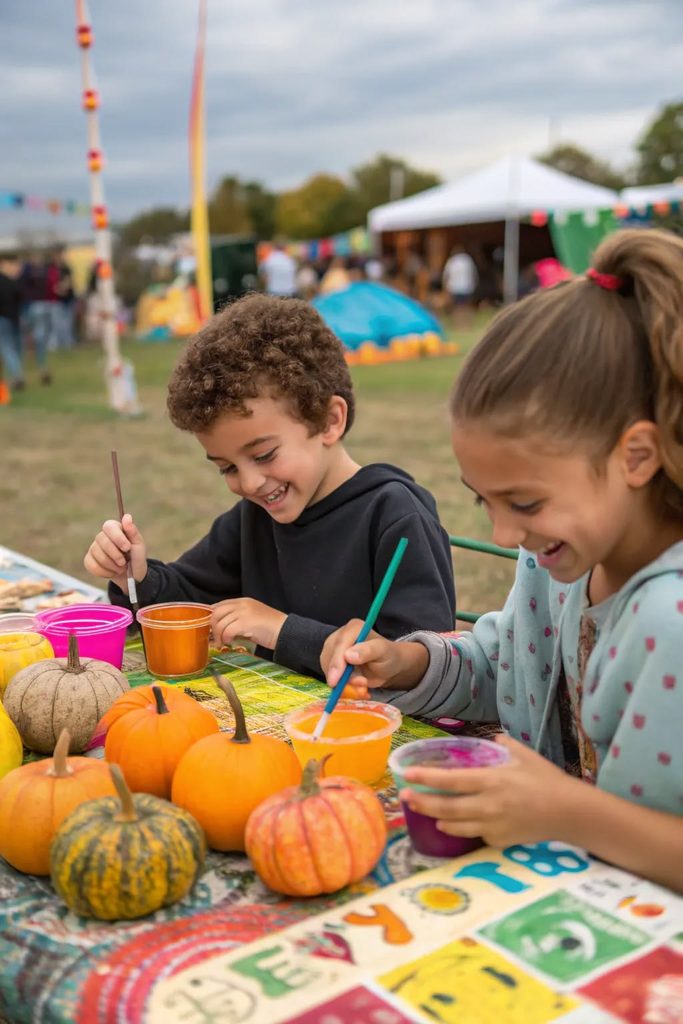
Involving kids in setting the table turns preparation into part of the celebration rather than a chore. Let kids place their own name cards, arrange their own placemats, or add the final touch to decor.
Even a toddler can carry a single napkin, which still counts as genuinely meaningful participation. This hands-on involvement builds ownership, and kids tend to care more about a table they helped create.
Assign small, age-appropriate jobs, like folding napkins or placing small treats at each seat around the table. Clear, simple jobs prevent the chaos of too many kids trying to do one task.
Older kids can help set up activities for younger siblings, building a sense of shared responsibility and pride. Keep the setup light and fun, playing music or chatting together while the table comes together.
A favorite playlist can turn even a chore into something closer to a small party.
This shared process often becomes a treasured memory on its own, separate from the meal that follows. Years later, kids often remember the setup itself as fondly as the meal that came after.
A table set together by the whole family already feels exciting before a single dish arrives. That shared effort builds a sense of ownership no amount of decor alone could ever create.

Keep an Eye on Comfort During the Meal
A great setup can still fall apart if kids grow uncomfortable partway through a long holiday meal. Watch for signs of restlessness, like excessive wiggling, complaining, or repeated requests to leave the table.
Build in a short break if needed, letting kids stretch, move, or visit the cozy corner nearby. A five-minute pause often resets a restless child far better than any amount of scolding.
Keep water or a favorite drink within easy reach, since thirst often shows up as irritability instead. A few spare decorations from 27 Thanksgiving Decor Ideas Kids Can Help Create at Home can refresh a table that starts to feel tired.
A little flexibility during the meal itself keeps the whole table calmer for everyone involved.
Checking in occasionally shows kids that their comfort matters, not just the appearance of the finished table. A quick glance around the table every so often catches small problems before they grow.
A happy, comfortable child is far more likely to stay seated through the entire meal. Comfort, more than any rule or reminder, is usually what keeps a child calmly in their chair.

Wrap the Day Up on a High Note
The end of the meal is just as important as the beginning for building a lasting, positive memory. A small treat, a favor bag, or a final activity can close the day on a warm note. A final activity does not need to be elaborate to leave a lasting impression on a child.
Thank each child for joining the table, and ask what they enjoyed most about the day together. A simple thank-you goes a long way toward making a child feel truly seen and valued.
Their answers often reveal which ideas worked best, giving you a head start on planning next year’s table. Keep a short note each year, since memory fades faster than anyone expects by autumn.
A phone photo of the finished table also works well as a quick yearly reference. Ending on a high note leaves kids excited for the next holiday gathering, rather than simply relieved it is over.
A positive final memory often outweighs any small hiccup that happened earlier in the day. Kids tend to remember how a day ended more clearly than how it first began.
A thoughtful close to the day reinforces everything built throughout the table experience from start to finish. Beginnings and endings tend to stick in a child’s memory more than the middle stretch.

Putting Everything Together
A Thanksgiving kids’ table they are excited to sit at comes from planning, not luck or a last-minute setup. Ask kids what excites them, choose a simple theme, and offer food that feels familiar and approachable.
Size the table correctly, fill waiting time with activities, and add a small gratitude moment for meaning. Build anticipation early, so real excitement starts well before anyone actually sits down to eat.
Keep the space visually exciting and genuinely cozy, and plan thoughtfully for kids of different ages together. None of these layers need to be perfect, only present in some small, genuine form.
Build anticipation before the day arrives, and involve kids directly in setting up the table itself. Watch for comfort throughout the meal, and close the day with a warm, memorable final touch.
Together, these small layers build a table kids genuinely look forward to visiting each year.
There are a lot of things kids need to feel excited, and most of them cost very little to provide. None of these ideas require a big budget, only a bit of planning and genuine attention.
A single afternoon of preparation can carry the whole table through the entire holiday season. Start with two or three changes this year, and build a tradition your kids will ask for again. The small effort you put in now tends to pay off for many years ahead.

