
In a place of enjoyment and fun, kids learn things easily there. Halloween is full of that kind of enjoyment, which makes it a great time for a little learning. Kids rarely notice when a game or a craft is teaching them something new. They are too busy having fun to feel like they are being taught at all.
This means Halloween offers dozens of small chances to build skills without ever feeling like schoolwork. None of these ideas require turning the holiday into a classroom. They simply add a small layer of thought to activities your child already enjoys.
Most of these lessons take no extra time, since they slot into things you were already planning to do. A parent does not need any special training to guide a child through them either. If your child still needs a costume, see 35 Halloween Costume Ideas for Kids They’ll Beg to Wear first.
Below are simple ways to fold learning into Halloween without taking any of the fun out of it. Pick a few that fit naturally into what your family already does each year. There is no need to try all of them at once. A few well chosen moments work better than a packed schedule.
photo credit
How to Turn Halloween Into a Fun Learning Experience for Kids
Turn Counting Candy Into a Math Game
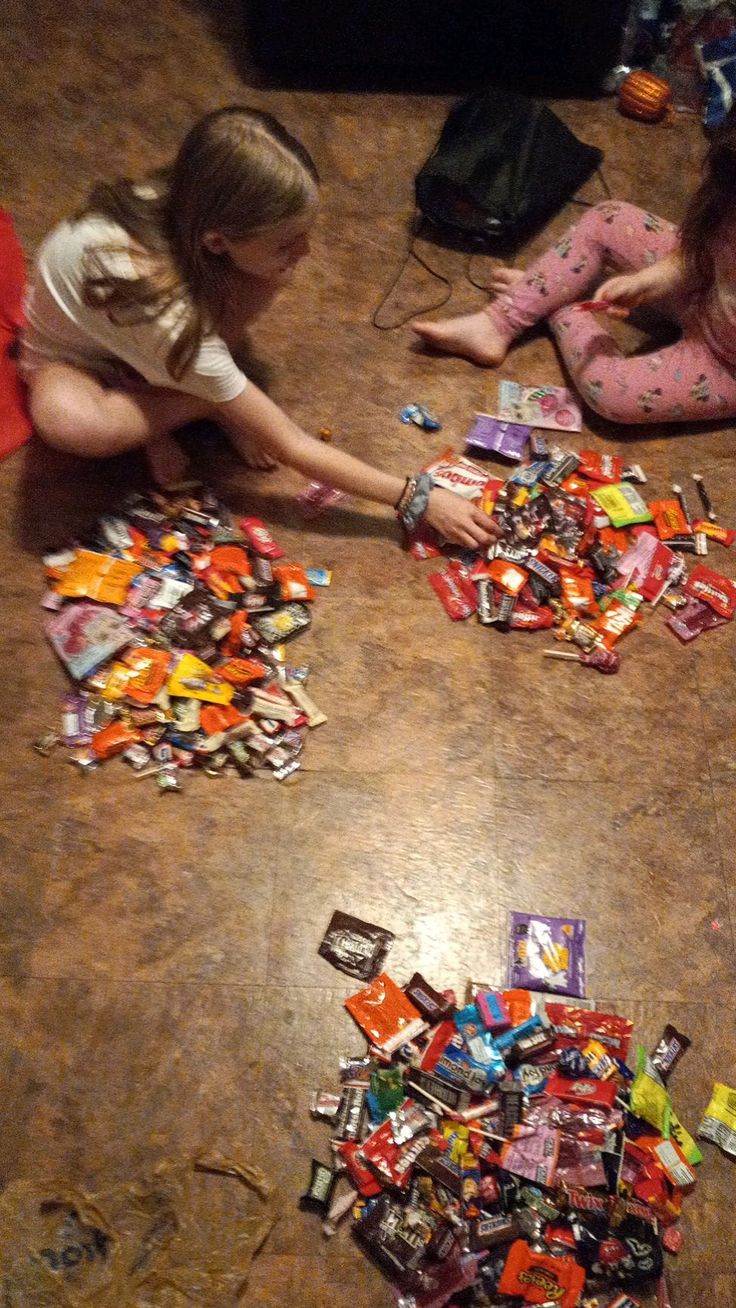
After trick or treating, spread the candy out and count it together as a simple, natural math activity. Ask your child how many pieces they collected, or how many of one type they found.
Older kids can add up totals across categories, while younger kids practice basic counting one piece at a time. This turns an already exciting moment into a bit of quiet practice without your child even noticing.
Candy makes a far more motivating counting tool than most worksheets ever could. You can even turn this into a simple graph, using different candy types as the categories to compare.
Comparing totals with a sibling afterward also introduces the idea of more, less, and equal.
Talk About Where Traditions Came From
Halloween carries a long history, and even a short conversation about it can spark real curiosity in kids. Explain simply why people carve pumpkins, or why costumes became part of the holiday over time.
You do not need every historical detail correct to make this conversation worthwhile for a young child. The goal is curiosity, not a full lecture on the origins of the holiday itself.
Kids often enjoy learning that traditions have a story behind them, rather than just existing without any reason. A quick search together online can also turn into its own small research project for an older child.
Comparing how different countries or cultures celebrate similar autumn holidays adds another layer to this same conversation.
Use Pumpkin Carving to Talk About Plants
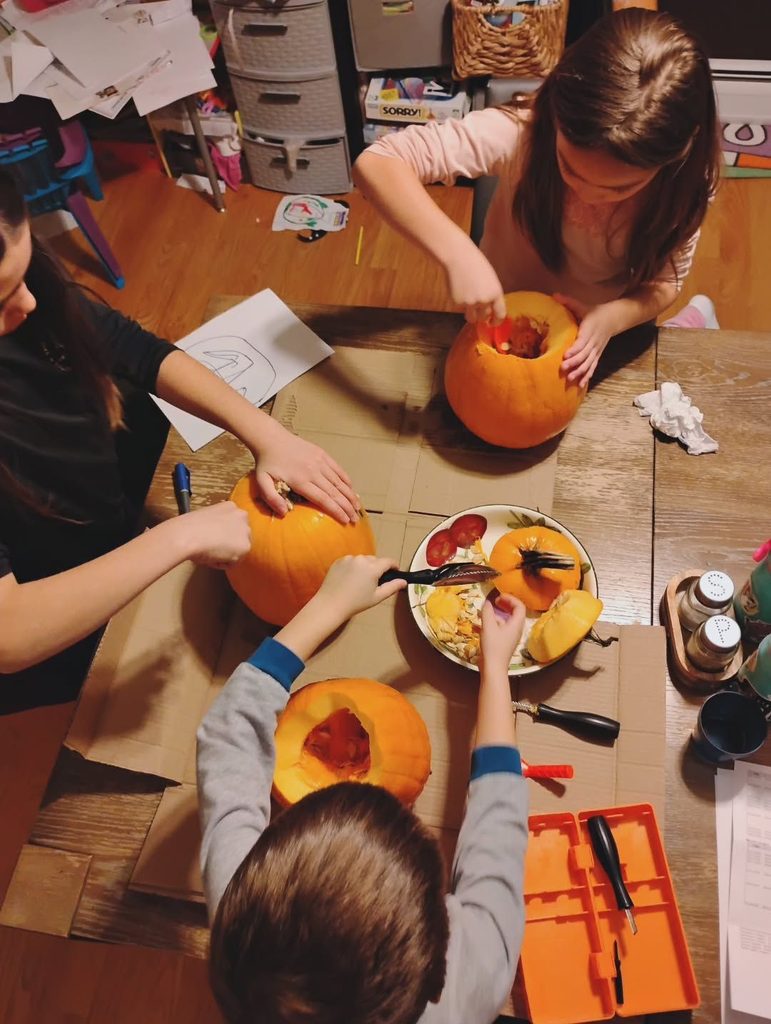
While carving or cleaning out a pumpkin, take a moment to talk about how pumpkins actually grow. Point out the seeds, the pulp, and the thick outer shell as simple parts of a plant’s life cycle.
This turns a messy task into a small science lesson without much extra effort on your part. Saving a few seeds to plant later extends the lesson well beyond just one afternoon of carving.
Kids tend to remember lessons tied to something they touched and explored themselves. Comparing the inside of a small pumpkin to a large one also introduces an easy lesson in size and proportion.
Weighing two different pumpkins on a kitchen scale adds a simple measuring step to the same activity.
Practice New Vocabulary Through Costume Choices
Costume shopping naturally introduces new words, from character names to fabric types and costume pieces. Take a moment to explain unfamiliar words as they come up during the process.
A word like cape, cloak, or gauntlet might be brand new to a younger child picking out a costume. See How to Choose a Halloween Costume Your Child Will Actually Love Wearing for more on making this decision.
This kind of vocabulary building happens naturally, without ever feeling like a forced lesson. Writing a short list of new words together afterward turns the shopping trip into a small keepsake too.
Reviewing that list again closer to Halloween helps the new words stick well beyond the initial shopping trip itself.
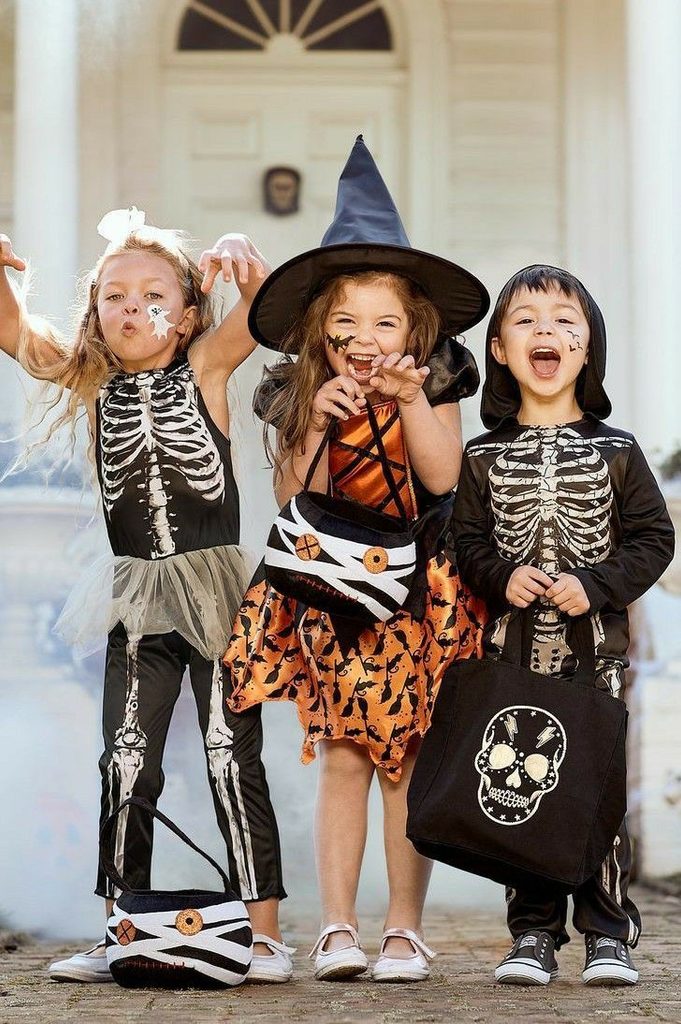
Turn Hairstyling Into a Pattern Lesson
Braiding and styling hair actually involves a fair bit of pattern recognition, more than most parents realize. Point out the repeating over and under motion of a braid as a simple, visible pattern.
Older kids can even try predicting what comes next in a braid before you finish the section. See 27 Halloween Hairstyles for Little Girls That Complete Any Costume for styles with patterns worth pointing out.
This turns a routine task into a small, hands on math moment. Trying a slightly more complex braid later gives your child a new pattern to notice and describe.
Letting your child try the pattern on a doll or yarn first makes the idea easier to grasp.

Explore Nocturnal Animals as a Theme
Bats, owls, and black cats show up everywhere during Halloween, which makes them a natural jumping off point. Talk about what nocturnal means, and why certain animals are more active at night than during the day.
This ties directly into common Halloween imagery, so the lesson feels connected rather than random. Kids enjoy learning small facts about animals that already appear on their favorite decorations.
A quick picture book about bats or owls pairs nicely with this kind of conversation. Visiting a zoo or nature center before Halloween can extend this same nocturnal animal theme further.
Comparing how these animals see or move in the dark opens the door to a simple lesson about the senses.
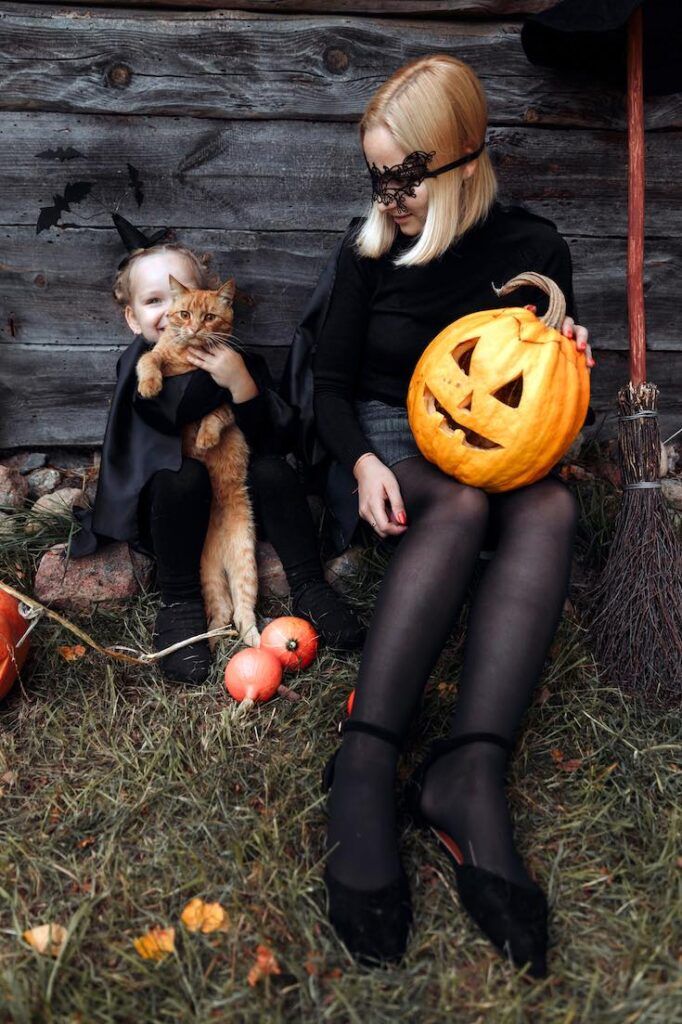
Turn Trick-or-Treating Into a Geography Lesson
As you walk the neighborhood, talk about directions, distances, and the layout of the streets you pass. Ask your child which way is north, or how far you have walked from home so far.
This works especially well for kids who are just starting to learn about maps and directions at school. A simple hand drawn map of the route beforehand adds a fun planning step to the whole evening.
This turns a familiar walk into a small, low pressure geography lesson. Marking favorite houses on the map afterward also gives your child a reason to look forward to next year’s route.
Comparing this year’s map to memories of last year’s route also builds an early sense of change over time.
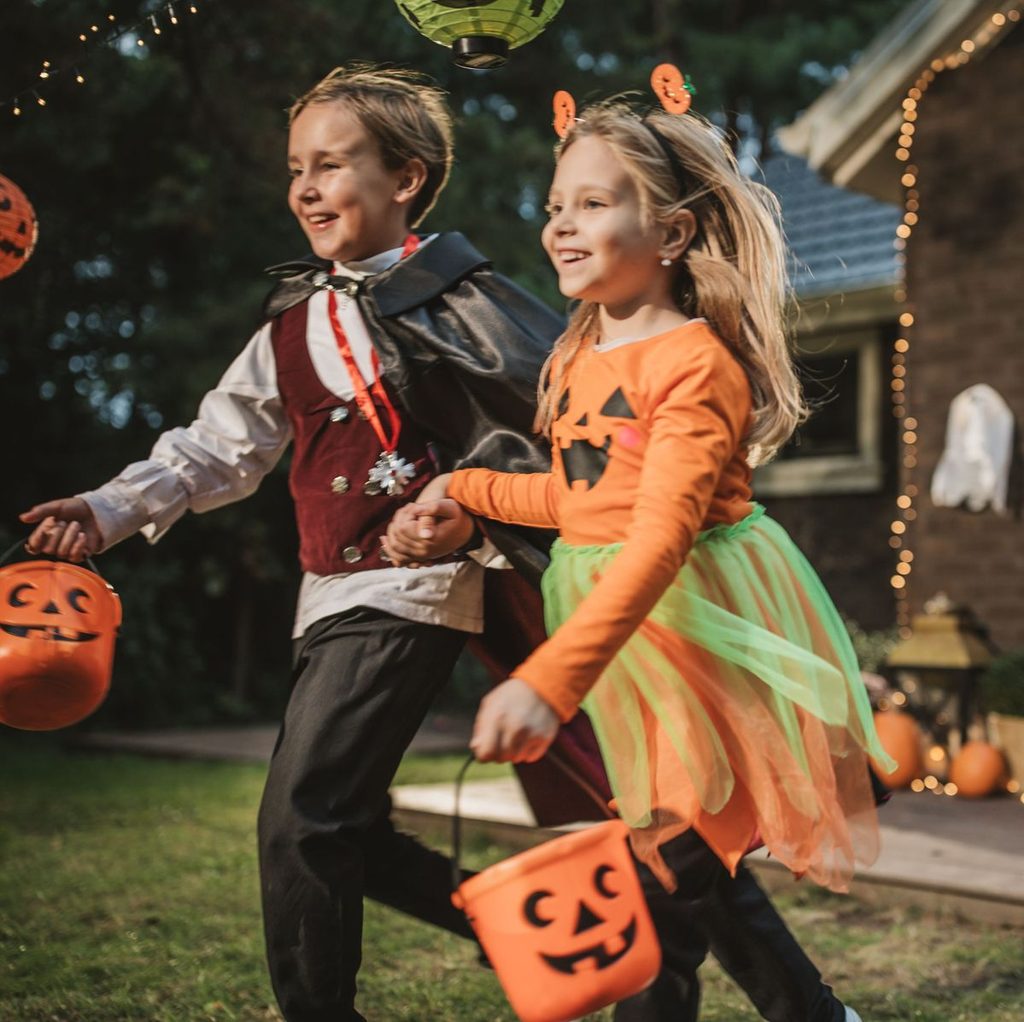
Turn a Last-Minute Change Into a Problem-Solving Lesson
Sometimes a costume falls apart or plans change at the very last minute before Halloween begins.
Instead of solving it alone, talk through the problem with your child and ask what they think might work. See How to Put Together a Last-Minute Halloween Look Without Buying a Full Costume for examples like this.
This teaches kids that a setback is not the end of a plan, just a reason to think differently. Kids who take part in solving a real problem remember the lesson far longer than one they only heard about.
Praising the attempt itself, not just the final fix, also helps build genuine confidence in a child’s own thinking. Writing down a few backup ideas beforehand also gives your child practice planning ahead of a problem.
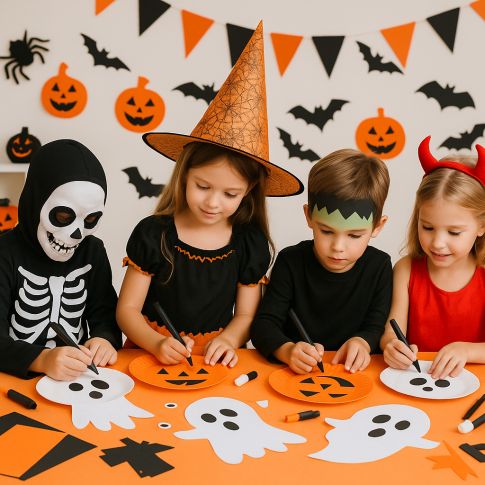
Use Weather Talk to Explain the Seasons
Cooler Halloween nights offer a natural chance to talk about why the weather changes as fall arrives.
Explain simply why the air feels colder, and how that connects to the changing season around this time of year. See What to Wear Under a Halloween Costume When the Weather Gets Cold for this kind of everyday science.
Layering clothes also becomes a small lesson in cause and effect once your child understands why it works. This kind of talk fits naturally into getting dressed, without needing a separate sit down conversation.
Checking the temperature together on a thermometer adds a small, hands on way to make the lesson feel more concrete. Comparing morning and evening temperatures also shows weather changes within one day, not just across seasons.
Turn Halloween Games Into Learning Moments
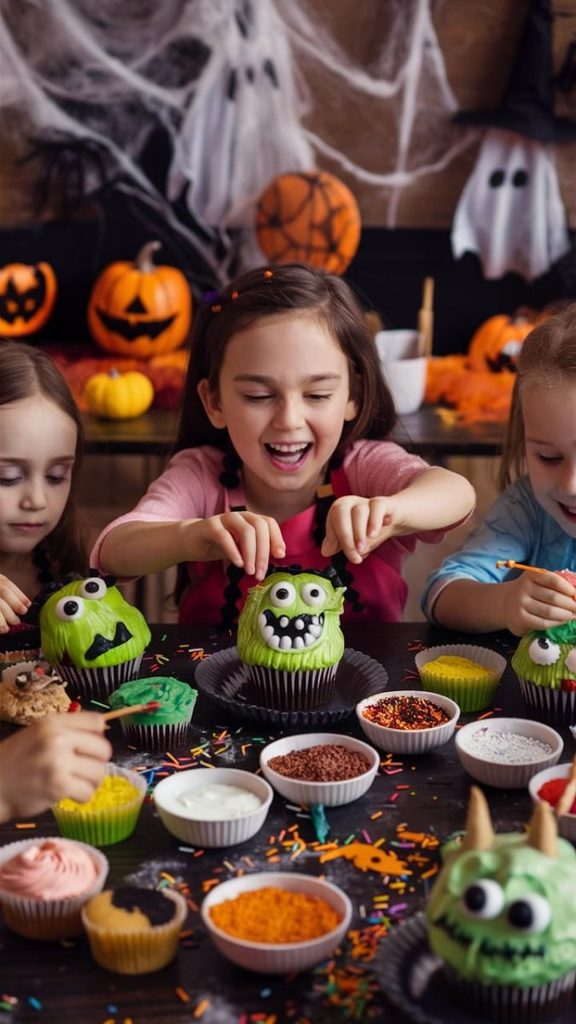
Many Halloween games already involve counting, following directions, or waiting for a turn patiently.
Point out these small skills as they come up naturally during play, without turning the game into a lesson. See 35 Halloween Activities for Kids They’ll Actually Want to Try for more ideas that carry small lessons inside.
A scavenger hunt, for example, quietly practices reading and following clues step by step. This proves that learning does not need its own separate time slot to actually happen.
Even a simple game of freeze dance teaches listening skills, since kids must react quickly once the music stops. Bobbing for apples, where allowed, also quietly practices patience and turn taking in a group setting.
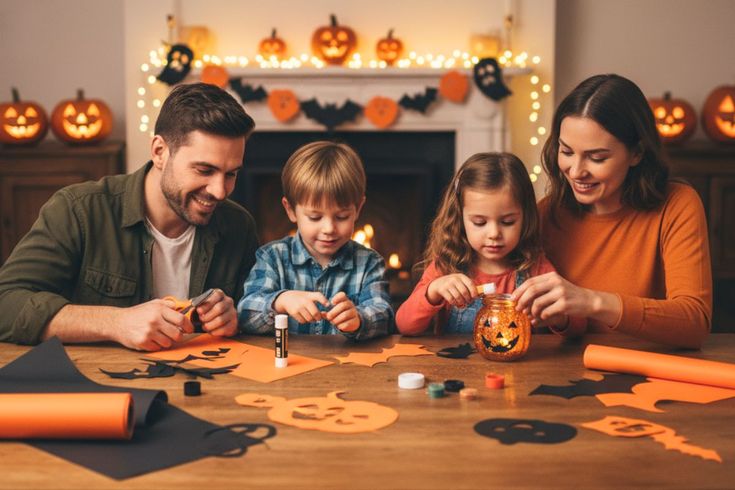
Turn Crafting Into a Lesson on Following Steps
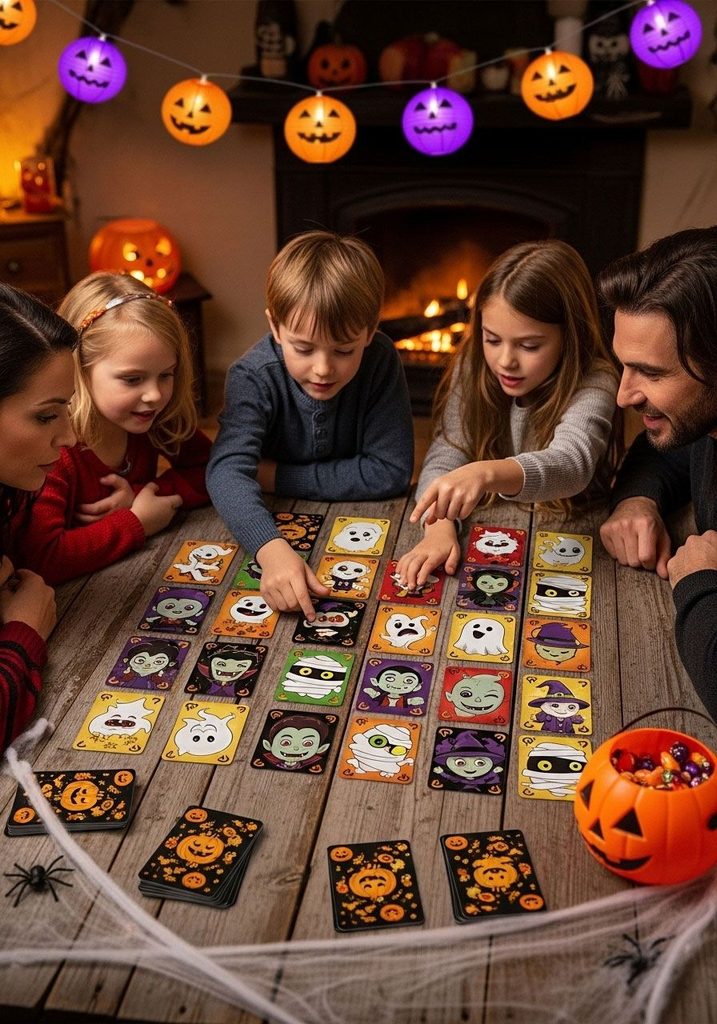
Most Halloween crafts involve a clear sequence, like cutting, gluing, and decorating in a specific order.
Talk through the steps out loud as you go, which helps your child practice following instructions in order. See 27 Halloween Crafts for Kids That Look Amazing for projects with enough steps to build this skill.
This skill carries over well beyond Halloween, into schoolwork and everyday tasks at home. Crafting is one of the more natural places to build this kind of sequencing skill.
Letting your child explain the steps back to you is a simple way to check how well it stuck. Mixing up the order on purpose and asking your child to spot the mistake adds a fun twist.
Use Sensory Play to Teach New Words
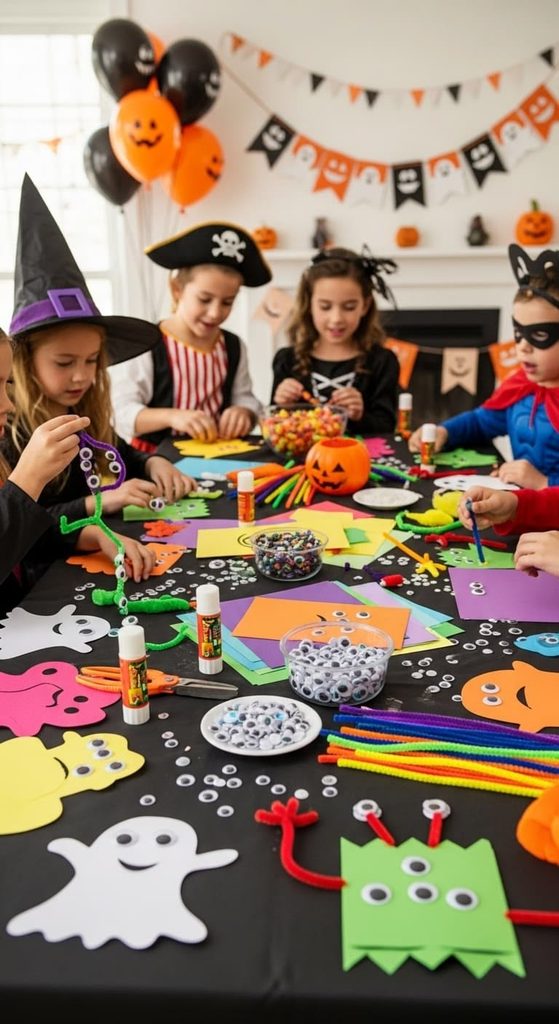
A sensory bin filled with Halloween items gives you a natural chance to introduce descriptive words during play.
Words like rough, smooth, squishy, and crunchy come up easily as your child explores different textures. See How to Set Up a Halloween Sensory Bin Kids Will Love for more on building this kind of practice.
This kind of hands on learning tends to stick better than words learned only from a book. Touch adds a layer of memory that pure listening or reading often misses.
Asking your child to describe a texture first also encourages them to reach for their own words. Blindfolding your child briefly and asking them to guess an item by touch turns this into a fun game.
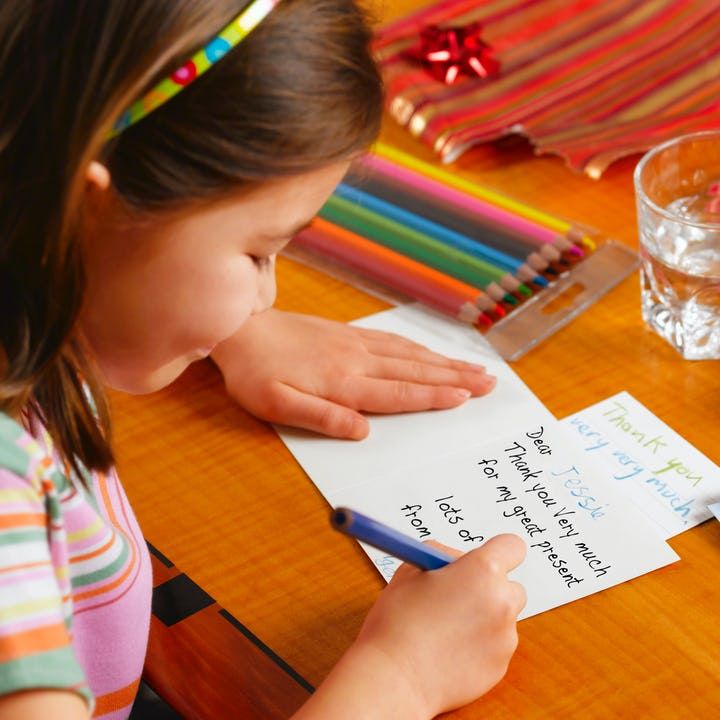
Practice Writing Through Thank You Notes
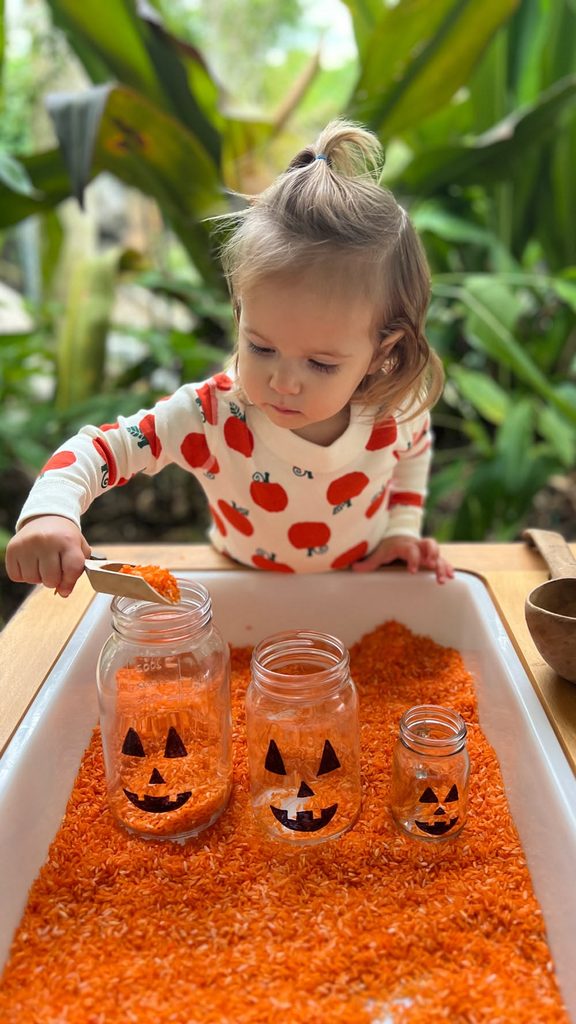
If your family visits relatives or friends during the season, a simple thank you note practices early writing skills. Even a few scribbled words from a young child count as meaningful practice at this stage.
Older kids can write a full sentence or two describing their favorite part of the visit or the holiday. This gives handwriting practice a real purpose, rather than feeling like a random worksheet assignment.
A small stack of blank cards kept on hand makes this easy to start whenever the moment fits. Decorating the card with a small Halloween drawing beforehand also makes the task feel more like art than homework.
Reading a few finished notes aloud together also gives your child a proud moment hearing their own words.
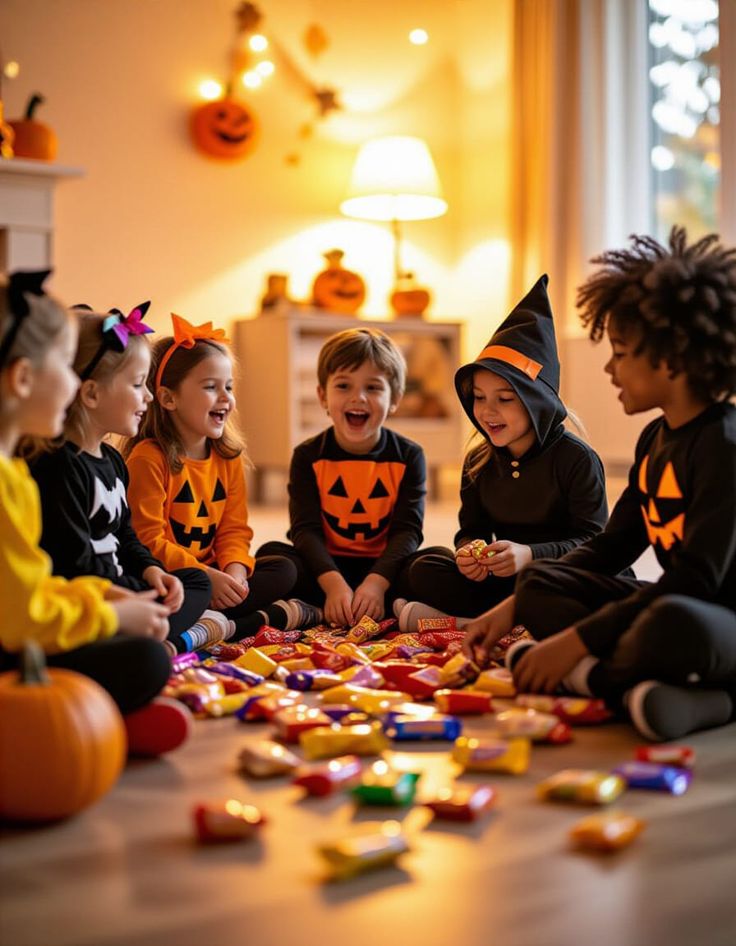
Turn Sorting Candy Into an Early Math Skill
Beyond simple counting, sorting candy by type, color, or size introduces early classification skills to younger kids. Ask your child to explain why they grouped certain pieces together, which builds simple reasoning skills too.
This activity works well as a calm, quiet task once the excitement of trick or treating has settled down. It also gives you a natural moment to check through the candy before anything gets eaten.
Sorting tasks like this build a foundation that shows up again later in more formal math lessons. Trying a second round with a different sorting rule, like size instead of color, adds more challenge.
Timing how fast your child can sort a small pile adds a bit of playful, friendly pressure.
Use Storytelling to Build Language Skills
Ask your child to make up a short spooky story, even a silly one, using a few Halloween words. This builds narrative skills, like a beginning, a middle, and an end, in a low pressure, playful way.
Younger kids can tell their story out loud, while older kids might enjoy writing a short version down. Encourage creativity here rather than correcting every small detail of the story itself.
This kind of storytelling practice supports reading comprehension skills that carry over well into the school year. Acting the story out together afterward, even briefly, helps a child understand plot and sequence in a physical, memorable way.
Recording the story on a phone also gives your child a fun way to hear their own voice played back.
Talk About Safety Rules as a Life Skill
Halloween naturally involves safety topics, like looking both ways and staying close to a trusted adult. Use this as a chance to talk through why these rules matter, rather than just stating them without context.
Kids tend to follow rules more consistently once they understand the reasoning behind them. This is a life skill lesson wrapped inside a fun night out, rather than a separate serious conversation.
A quick practice walk beforehand also reinforces the lesson before the actual night arrives. Letting your child point out hazards themselves during the walk builds awareness better than simply being told.
Use Music to Build Rhythm and Memory Skills
Halloween playlists are full of catchy, repetitive songs that make excellent tools for building memory skills. Singing along helps kids practice rhythm, sequencing, and recall, all wrapped inside something that already feels like play.
Ask your child to remember the order of a song’s verses, or clap along to the beat as it plays. This kind of musical repetition supports early reading skills, since both rely on recognizing patterns and sequences.
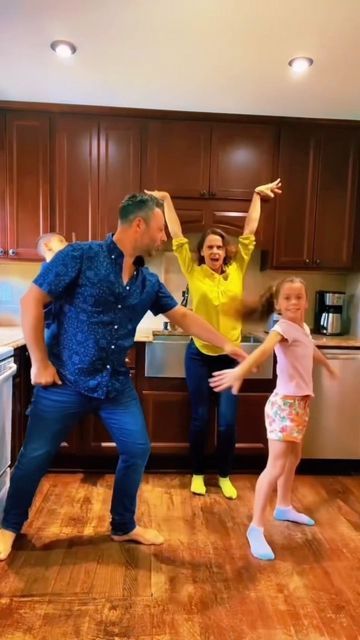
A simple dance party can double as a memory exercise without your child ever suspecting a lesson is happening.
Talk About Emotions Through Spooky Themes
Halloween imagery, like ghosts and monsters, offers a gentle way to talk about fear and other big emotions. Ask your child what feels scary to them, and why, in a calm and curious tone.
This builds emotional vocabulary, helping kids name feelings instead of just reacting to them without words. Talking through fear in a low stakes, playful context often makes it easier for kids to discuss real worries later.
Turning something scary into something silly through costume can help a child feel some control over that fear.
Keep the Learning Light and Optional
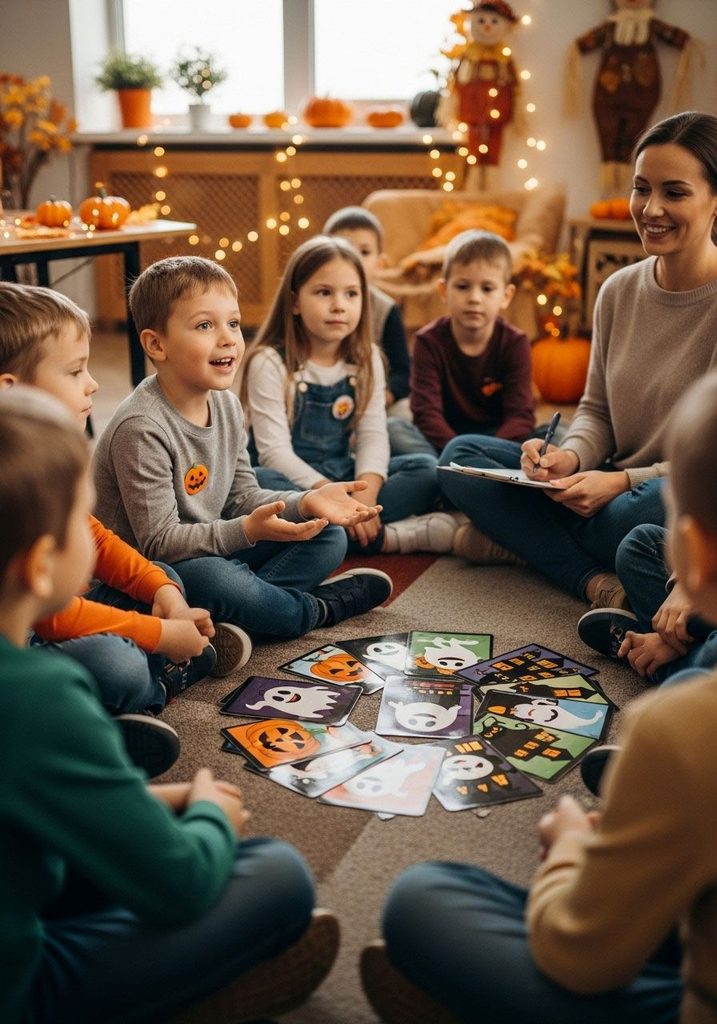
None of these ideas need to happen every single time, or even most of the time, to be worthwhile. Forcing a lesson into every single activity risks taking the fun out of the holiday altogether.
Pick one or two ideas that fit naturally into what your family already enjoys doing each year. If a moment does not lend itself to a lesson, it is fine to let the fun be the point.
The goal is a light touch, not a curriculum hidden inside every part of the season. Kids can tell the difference between genuine curiosity and a forced lesson, so let their interest lead.
If your child seems tired or overstimulated, skip the lesson and let the moment simply be fun.
Making Halloween Learning Feel Natural
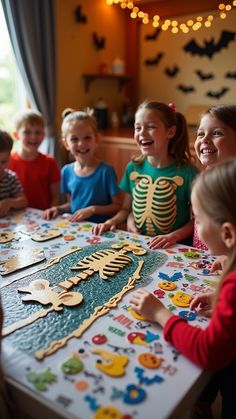
Halloween already gives kids so much to enjoy, and a little learning fits into that excitement without much extra effort. The best lessons here happen quietly, tucked inside games, crafts, and conversations your family already has each year.
If you want to build a fuller day, see How to Plan a Halloween Activity Day Without Making It Complicated. Whatever your child takes from the season, curiosity matters far more than any single fact learned along the way.
A holiday built on enjoyment, it turns out, is one of the easiest places for real learning to happen. Start with just one idea from this list, see how your child responds, and build from there next year.

