
Some costumes are light and sleeveless while some are thick and long sleeve. All of them are important depending on the weather your area usually gets around Halloween night. A costume built for a warm evening can leave a child shivering if the temperature drops without warning.
The good news is that almost any costume can stay warm with the right layers underneath it. This does not mean covering up the costume or changing how it looks to everyone else. It just means being smart about what goes on before the costume goes on top.
Parents often assume the costume decides how warm a child stays, but the layers underneath do most of that work. If your child has not picked a costume, start here: 35 Halloween Costume Ideas for Kids They’ll Beg to Wear.
Weather on Halloween night can shift fast, even within the same evening. It might feel mild when you step outside and much colder an hour later once the sun fully sets. Planning for that shift ahead of time saves you from a rushed trip back home partway through trick or treating.
A costume that felt fine at six can suddenly feel too thin by eight, once it gets dark. Families who prepare for this shift ahead of time tend to enjoy the evening more, rather than cutting it short. Here is how to keep your child warm without losing the costume they worked so hard on.

What to Wear Under a Halloween Costume When the Weather Gets Cold
Start With a Breathable Base Layer
The first layer against your child’s skin should be soft, breathable, and not too tight or bulky. A simple long sleeve shirt in a plain color works under almost any costume without showing through the fabric.
Cotton or a soft blend tends to feel more comfortable than materials that trap heat too much. Avoid anything scratchy at this layer, since it sits closest to the skin for the entire night.
This base layer becomes the foundation for everything else you add on top of it later. Choosing a color close to the costume’s own color helps it stay hidden if sleeves happen to peek out.
A well chosen base layer barely changes the look of the costume while doing most of the warming work. Wash and lay out this layer the night before, so it is not damp or missing at the last minute.
Keep a second base layer on hand too, in case the first one still feels damp from an earlier wash. A slightly snug fit works better here than a loose one, since loose fabric can bunch under a costume.
Fitted sleeves and hems also make it easier to layer a costume piece without any bulky folds showing through.

Match Layers to the Costume’s Shape
Think about the shape of the costume before deciding what goes underneath it for warmth. A flowing dress needs different layering than a fitted jumpsuit or a bulky animal costume.
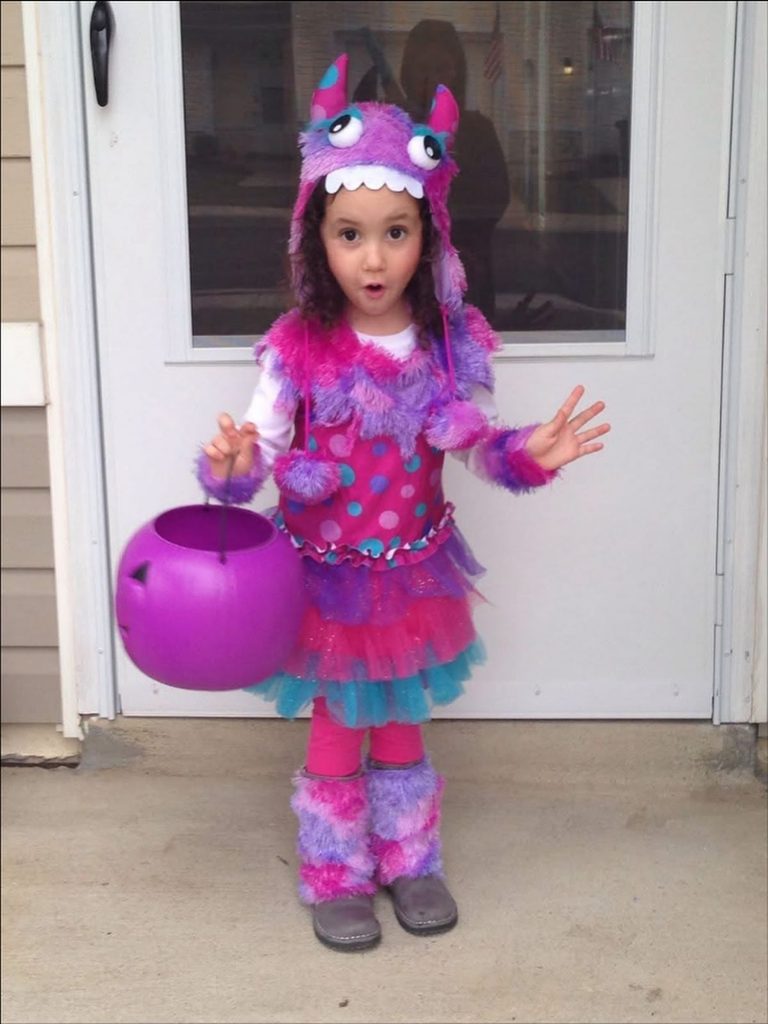
For flowing costumes, thin leggings and a long sleeve top usually disappear under the fabric without adding bulk. For fitted costumes, thinner thermal layers work better than thick sweaters that change the whole silhouette.
Taking a few minutes to plan this out avoids the frustration of layers bunching up in the wrong places.
If the costume runs a bit large, use that extra room for a slightly thicker layer without it looking odd. See How to Choose a Halloween Costume Your Child Will Actually Love Wearing for more on picking a costume shape.
A zipper or buttons down the front makes layering easier too, since nothing needs pulling over the head. Looser costumes, like a robe or an oversized tunic, tend to hide layering the best of any costume style.

Handle Short Sleeves and Bare Arms
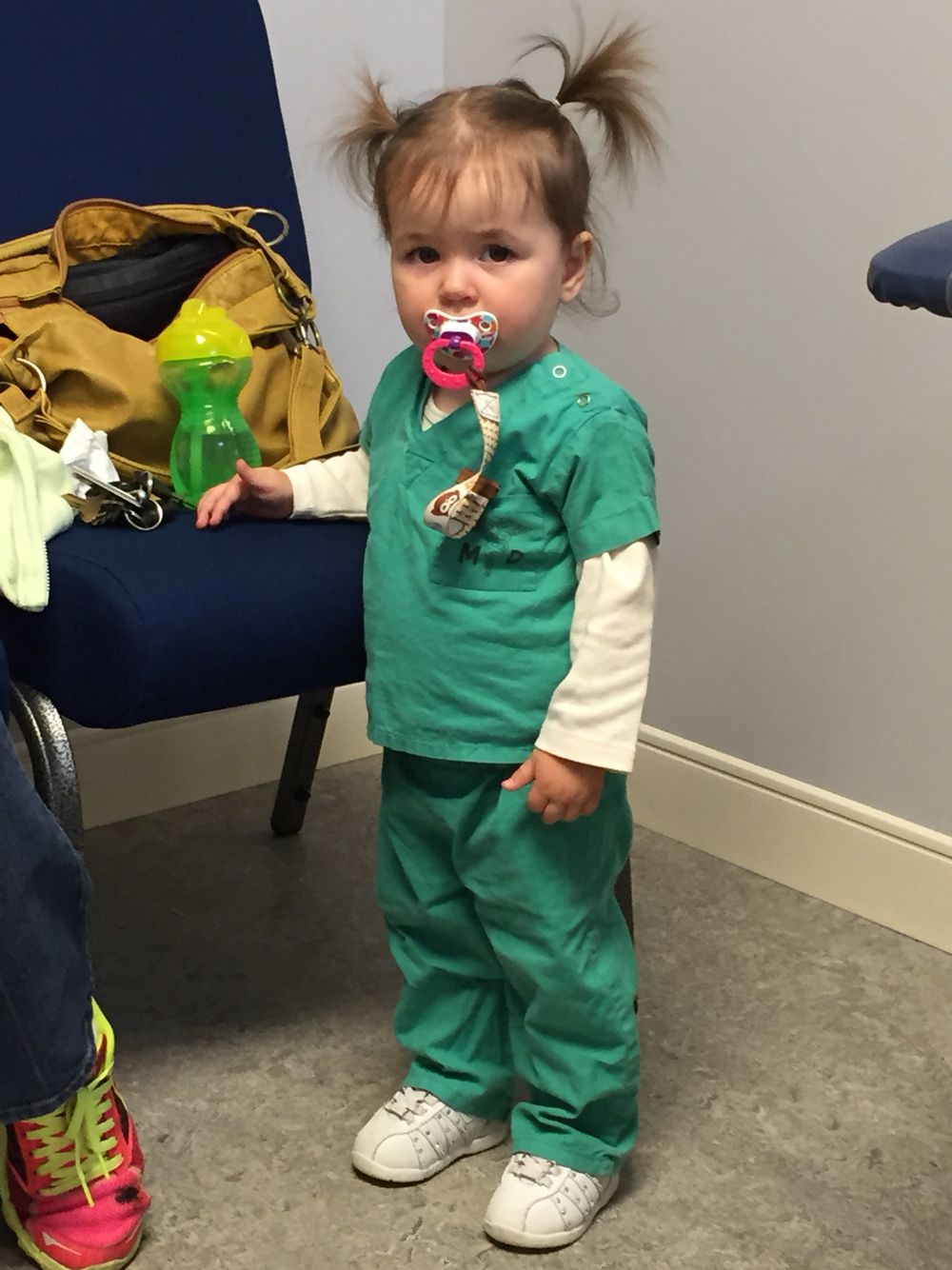
Short sleeve costumes and sleeveless costumes need the most attention when the weather turns cold outside. A long sleeve shirt in a matching or neutral color can go underneath without ruining the costume’s overall look.
For costumes with big, poofy sleeves, a simple fitted long sleeve top usually tucks in without being seen at all. Arm warmers in a matching color are another option worth trying.
These small additions rarely change how the costume looks in photos, especially once accessories and props are added. Cold arms are one of the fastest ways a child starts asking to go home early.
A quick check of both arms during the trial run can catch this problem well before the actual night arrives. If your child runs warm, a thinner arm layer may be all that is needed on a cool evening.
Rolling sleeves up slightly under a costume can also help if the evening turns out milder than planned.
Add Leggings Under Skirts and Dresses
Skirts, tutus, and dresses look just as full and pretty with leggings underneath as they do without them. Choose a legging color that matches the costume’s main color so nothing looks mismatched or out of place.
Fleece lined leggings add real warmth without adding much visible bulk under most skirt styles. For princess or fairy costumes, this layering trick barely changes the silhouette while keeping legs fully covered and warm.
Many costume skirts already have enough room built in to fit a legging layer underneath comfortably. This is often the single easiest layering fix on this entire list to apply.
It also takes almost no extra time to add once the leggings are already picked out. Patterned tights can work too, as long as the pattern does not clash with the costume’s own colors or theme.
Dark tights hide dirt and small snags better than light colors, useful after a night walking through yards and leaves.

Use Thermal Layers on Very Cold Nights
On especially cold nights, a proper thermal layer makes a bigger difference than a few extra regular clothes. Thermal shirts and leggings are thin enough to fit under most costumes without adding noticeable bulk.
They also trap heat far better than regular cotton clothing does in freezing temperatures. Keep a thermal set on hand specifically for Halloween, separate from ones used for daily winter wear.
This way, they stay ready and are not caught in the laundry on the one night you actually need them. A thermal layer under a costume rarely gets noticed by anyone at the door.
It also washes and dries fast, which helps if you only own one set for the whole family. Buying thermal sets a size up also gives your child room to grow into them next year.
Layering a thermal top under a costume, rather than over it, keeps the silhouette closer to what was planned.

Keep the Head and Ears Covered
A lot of body heat escapes through an uncovered head, especially once the sun goes down completely. If the costume includes a hood, that alone often provides enough warmth for most nights.
If it does not, a simple headband or ear warmer can be added without disturbing hairstyles too much. Even a plain warm headband under a crown or a mask can make a noticeable difference in comfort.
Choosing a headband color close to the costume theme keeps it from standing out or looking out of place.
Some buns and braids actually work better with an extra layer, since they stay tucked and secure underneath it. See 27 Halloween Hairstyles for Little Girls That Complete Any Costume for styles that hold up well with extra layers.
A hood pulled up over a bun tends to hold its shape better than one pulled over loose, flowing hair. A knit hat that matches the costume, tucked under a hood, adds another layer of warmth without changing the look.

Do Not Forget the Hands
Cold hands become uncomfortable fast, especially once a child is holding a bag and walking for a while. Thin gloves in a neutral color work under most costumes without changing the character or theme at all.
For costumes with big sleeves, gloves can even be tucked slightly under the fabric for a cleaner look. If gloves interfere with a costume prop, fingerless gloves offer a decent middle ground worth trying instead.
Cold fingers are easy to overlook until your child starts complaining partway through the evening outside. Keeping a spare pair in your bag also helps if the first pair gets wet or lost along the way.
Mittens tend to trap more warmth than individual gloves, though they can make holding small items trickier for older kids. For toddlers, mittens clipped to the sleeve save you from the frustration of finding a dropped one in the dark.

Choose Warm Socks and the Right Shoes
Feet get cold fast once they are standing or walking on cool ground for an extended period. Thick socks under tights or leggings add real warmth without changing how the costume looks from the outside.
Choose shoes that are sturdy and closed toe rather than ones chosen only to match the costume perfectly. A comfortable, warm shoe matters far more than a perfectly matched one once the walking actually starts.
Breaking in new shoes a few days early also helps avoid blisters on the night itself. Damp shoes from an earlier rain can also make feet colder than the air temperature alone would suggest.
A spare pair of dry socks in a bag can help if the ground turns out wetter than expected. Slightly thicker soled shoes also help keep the cold from the ground from reaching little feet as fast.

Layer Without Ruining the Look
The goal of every layer added is warmth without anyone noticing the layer is even there at all. Choose colors that blend with the costume rather than clashing or standing out against it.
Keep extra layers thin rather than thick whenever possible, since bulk is what usually gives layering away. A few smart choices, like matching leggings or a hidden shirt, rarely change how a costume reads from a distance.
Most people at the door will notice the costume itself, not the smart layering underneath it. A little planning now means your child stays warm without a single compliment being lost to a visible sweater.
Standing your child before a mirror once dressed is often the fastest way to catch anything that stands out. Checking from the back and sides too, not just the front, catches small bulges a front view alone might miss.
Test the Full Look Before the Night
A few days before Halloween, have your child wear the full layered costume for a short trial run indoors. This shows you exactly how everything fits together. It also reveals if any layer feels too tight or too bulky.
It also gives you time to swap anything that does not work before the actual night arrives. Sometimes a planned layer simply does not fit right once everything is on at the same time.
If that happens, keep this nearby: How to Put Together a Last-Minute Halloween Look Without Buying a Full Costume. This trial run is also a good moment to check that shoes, gloves, and headwear still fit comfortably together.
Doing this a few days early, rather than the night before, leaves enough time to fix anything that needs adjusting.
Watch for Overheating Too
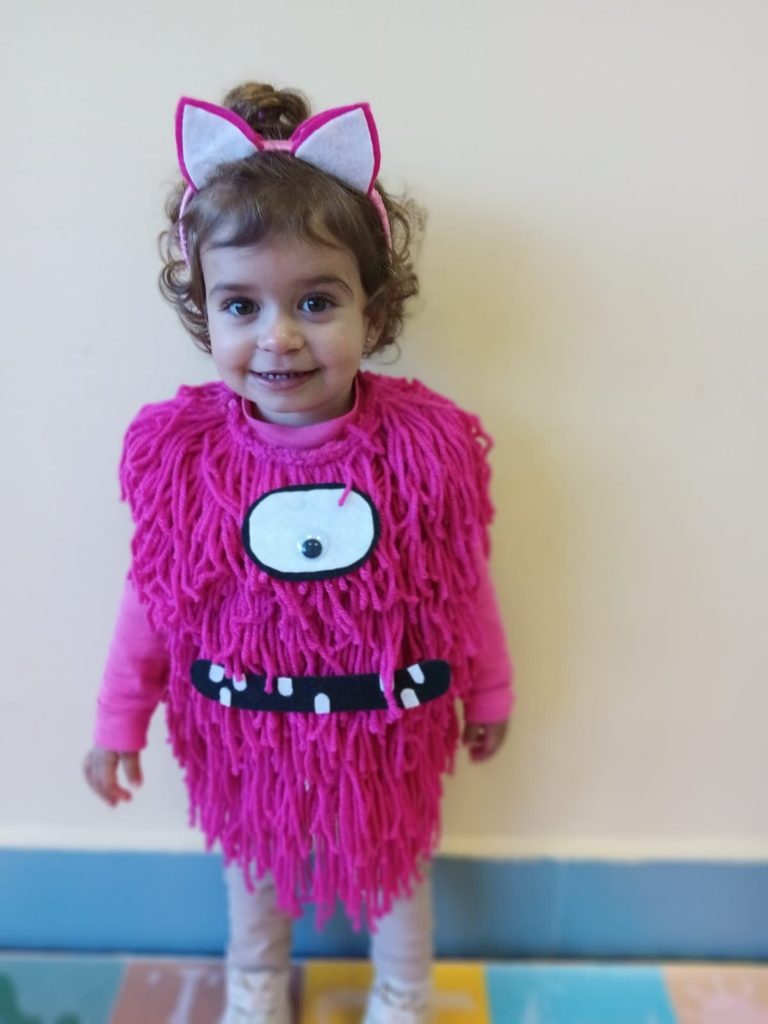
Layering too much can be just as uncomfortable as not layering enough on a milder night. Watch for flushed cheeks, sweating, or a child pulling at their collar partway through the evening.
These are signs that a layer might need to come off before continuing further outside. Bringing along a small bag for extra layers makes it easy to remove one without ending the night early.
This is worth watching for on unusually mild evenings too, since too much warmth causes real discomfort as well.
Noticing a texture or a layer that feels wrong to a child matters here too. How to Set Up a Halloween Sensory Bin Kids Will Love has more on spotting that kind of discomfort early.
A quick check every thirty minutes or so during the evening can catch overheating before it turns into real irritability. A child bundled up at home may not feel the same way once they start moving and walking outside.
Pack a Light Jacket as Backup
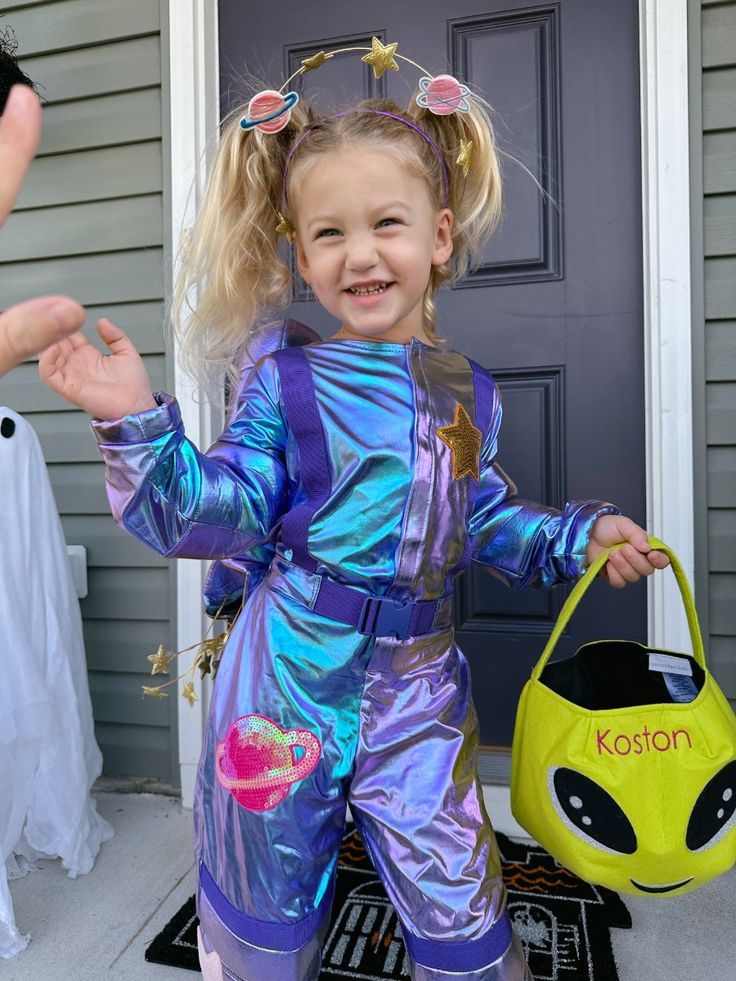
Even with good layering, it helps to bring a light jacket along just in case the temperature drops further. Choose one that is easy to carry or tie around the waist if it is not needed the whole night.
A jacket left in the car or by the door is easy to grab quickly if needed. This backup option removes the pressure of getting every single layer perfectly right beforehand.
Sometimes the simplest solution is just having one more option ready and within reach. A jacket that matches the costume’s main color even doubles as an accessory instead of an obvious add on.
Some parents keep a designated Halloween jacket year to year, simply because it matches so many different costume colors already. A plain neutral jacket in grey or black tends to blend in with most costume themes without much thought.

Think About How Long You Will Be Outside
A quick walk around the block needs less planning than a few hours of trick or treating with friends.
If your evening includes group activities before the walking even begins, warmth becomes even more important early on. See 35 Halloween Activities for Kids They’ll Actually Want to Try to plan the kind of evening you expect.
Longer nights outside call for warmer, sturdier layers than a short trip to a few nearby houses. A rough sense of the evening’s length ahead of time makes every layering decision that much easier.
Checking with other families joining the same evening can also help you plan around a shared, realistic timeline. Building in a short break partway through also gives everyone a chance to warm up before heading back out again.

Turn Warmth Into Part of the Costume
Some of the best layering ideas actually add to the costume instead of just hiding underneath it. A furry vest can double as both a warm layer and part of an animal costume at once.
A cape can double as both a costume piece and an extra layer of warmth around the shoulders. Take a look at 27 Halloween Crafts for Kids That Look Amazing for ideas on building warm pieces.
Thinking this way turns a chore into a creative part of the process, not an afterthought. A cardboard shield covered in felt can double as a costume prop and a light windbreak on a breezy night.
A fabric belt or a wrap can add warmth around the middle while still reading as part of the costume.

Talk to Your Child About Why Layers Matter
A quick, simple conversation about weather can help your child understand why the extra layers matter that night.
Explaining how the body loses heat, even in simple terms, can turn getting dressed into a small learning moment. See How to Turn Halloween Into a Fun Learning Experience for Kids for more small lessons like this one.
Kids who understand the reason behind a layer tend to complain about it far less than ones who do not. A short, honest explanation usually works better than a firm instruction with no reason attached.
This kind of talk also gives your child ownership over staying warm, instead of layers feeling forced on them. Some kids enjoy checking the weather themselves and picking layers, turning the task into a shared decision.

Check the Weather a Few Times Before the Night
Halloween forecasts can change in the days leading up to the actual date, sometimes more than once. Check the forecast a few days out, then again the morning of, rather than relying on an early guess alone.
This gives you time to adjust layers if the temperature looks different than first expected. A sudden cold front or a warm spell can catch families off guard if the forecast was only checked once.
Keeping this habit going into the evening also helps you decide last minute if that backup jacket is worth grabbing. Some weather apps show an hour by hour breakdown, more useful than a single daily average for planning outdoors.

Consider the Time of Day You’ll Be Outside
Temperatures often drop fast once the sun sets, even if the afternoon felt warm and pleasant. If trick or treating starts right after school, the early evening may not need much extra warmth at all.
As the night goes on, layers that felt unnecessary at first can suddenly become important. Planning to add a layer partway through the evening, instead of committing to one fixed outfit, gives more flexibility overall.
A jacket that stays in a stroller or a parent’s bag until needed solves this problem without much extra thought. Older kids can carry their own small bag with an extra layer, which teaches a bit of independence too.

Keep a Few Warm Accessories on Hand Year Round
Rather than buying new warm items every October, keep a small bin of accessories that work across many costumes. A few pairs of gloves, a couple of headbands, and one or two jackets cover most situations that come up.
This saves money over time and means less scrambling once the weather turns unpredictable close to Halloween. Rotating these pieces in from regular winter wear also means nothing sits unused for the rest of the year.
A little organization now saves a genuinely stressful search through drawers on the actual night itself.

Making Weather Planning Simple
Cold weather does not have to mean giving up on the costume your child has been excited about for weeks. A few smart layers, chosen with the costume’s shape and color in mind, solve most of the problem.
Testing everything ahead of time removes most of the guesswork once the actual night finally arrives.
If you want the rest of the evening planned just as carefully, there is a guide for that too. How to Plan a Halloween Activity Day Without Making It Complicated is a good next stop.
Whatever the weather does this year, a little preparation keeps the excitement in place without anyone feeling cold or uncomfortable. A warm, happy child tends to make for a longer, more enjoyable night for the whole family.
In the end, a costume remembered fondly is almost always one comfortable enough to enjoy from start to finish.

