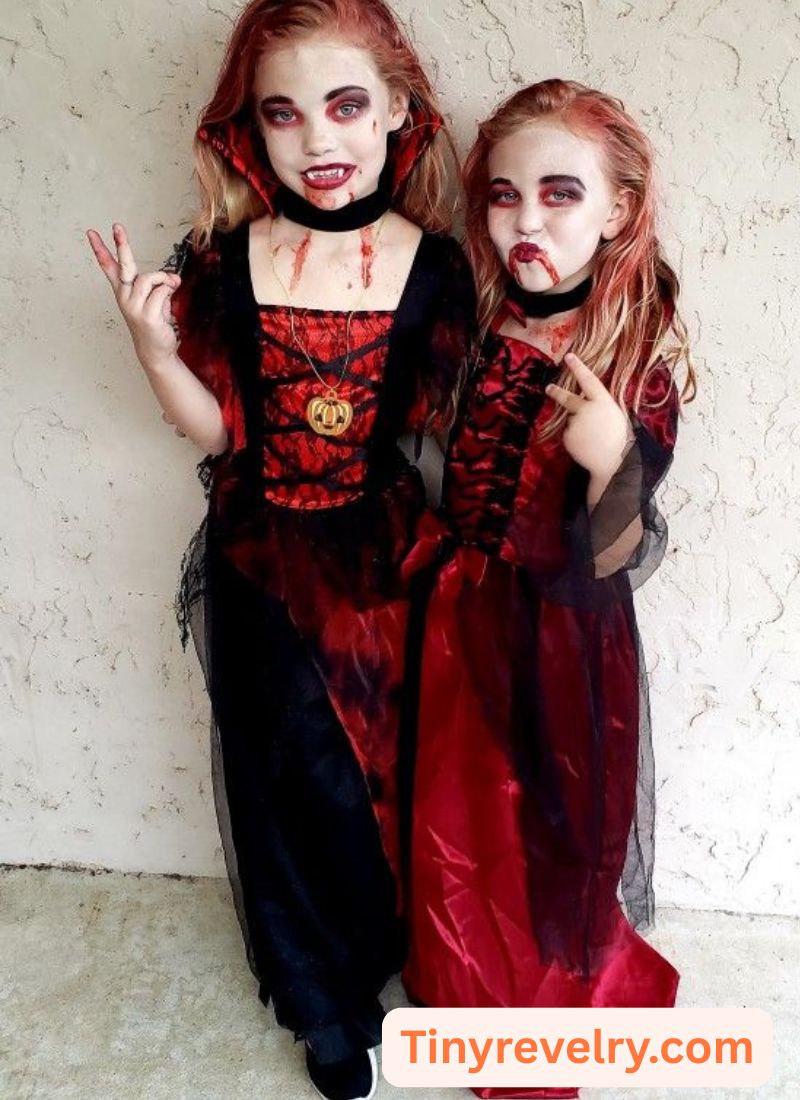
The costume your child loved last Halloween might not be the one they love this year. They tend to have different tastes as they grow up, and what excited them at four may feel babyish by six. A costume that gets chosen the right way tends to get worn without a single complaint.
One that gets picked in a rush often ends up itchy, tight, or abandoned halfway through the night. Parents sometimes assume last year’s favorite theme will work again, only to be met with a flat no once October arrives. If you are still browsing for ideas at this stage, 35 Halloween Costume Ideas for Kids They’ll Beg to Wear is a good place to start before reading on.
Picking a costume is not just about what looks cute in a store window. It is about understanding what your child actually wants this year, not last year. A little bit of planning now saves a lot of frustration later, especially once shopping deadlines start to close in.
Many families end up buying two or even three costumes before landing on the right one, simply because the process felt rushed from the start. Some of that back and forth comes from skipping a conversation that could have happened weeks earlier.
A little structure around how the decision gets made tends to save both time and money in the long run. Here is how to choose a costume your child will genuinely enjoy wearing, from the first idea all the way to the final fitting.

How to Choose a Halloween Costume Your Child Will Actually Love Wearing
Ask Your Child Directly
Start by simply asking what they want to be this year, without offering suggestions first. Kids often already have an idea in mind long before you bring up the topic at all.
Even a vague answer like an animal or a color gives you something real to work with. Write down a few of their exact words, since those often reveal more than a full sentence would later.
Avoid steering them toward your own favorite from years past, even if it worked well before. Some parents find it helpful to ask the same question a few days apart, just to see if the answer stays consistent.
This step alone prevents most of the back and forth that happens later during shopping trips. It also shows your child that their opinion actually carries weight in the final decision, not just yours.
A child who feels heard early on tends to stay excited about the costume for much longer. This small habit of asking first, rather than suggesting first, tends to carry over into other decisions too, not just Halloween.

Notice Their Current Interests
Pay attention to what your child has been drawn to over the past few months at home. A show they keep watching, a game they keep playing, or an animal they keep drawing all offer useful clues.
Costumes tied to a current interest tend to get worn with real enthusiasm all night long. This is different from asking what they liked last year, since interests shift fast at this age.
A child who loved dinosaurs in spring may be fully focused on space by the time October arrives. Following the current interest usually leads to a costume that gets remembered fondly for years afterward.
Even small details, like a favorite color showing up again and again, are worth paying attention to here. Some parents keep a short mental list of things their child mentions across the year, just for moments like this.
That small habit often makes the October conversation feel much easier than starting from scratch. It also gives you a natural way to bring up costume ideas without it feeling like an interview.

Let Them See and Touch Options
Whenever possible, bring your child along to look at costumes in person rather than only online. Photos rarely capture how a fabric feels or how a mask actually sits on a small face.
Let them try on a few options, even ones you personally think will not work out. Watching their reaction often tells you more than simply asking them directly ever would.
Some kids light up the moment they put something on, while others stay unsure the entire time they wear it. That reaction is worth paying close attention to before making any final decision on the costume.
A quick visit to a costume shop, even without buying anything that day, often narrows the list fast. Some kids need to touch three or four different fabrics before they settle on what feels right against their skin.
Giving them that chance early tends to prevent a returned costume later in the season. It also saves you a second trip back to the store once the fabric issue shows up on the actual night.

Watch for Comfort, Not Just Excitement
A costume can look exciting in the store and still feel unbearable an hour into wearing it outside. Check for scratchy tags, tight collars, or fabric that traps heat more than it should.
Kids who feel uncomfortable tend to ask to go home early, which cuts the whole night short for everyone. If your child has sensitive skin, softer fabrics matter more than how the costume looks in photos online.
Some families find that a short trial run at home reveals discomfort long before the actual night arrives.
If your child enjoys textures and hands on play, How to Set Up a Halloween Sensory Bin Kids Will Love can help you figure out which fabrics and textures they respond well to ahead of time.
A child who avoids certain textures during play will likely avoid them in a costume too, so pay attention to those small everyday clues. Comfort rarely gets a second thought until it is already a problem, so it helps to plan for it early instead.
Think About the Weather Ahead of Time
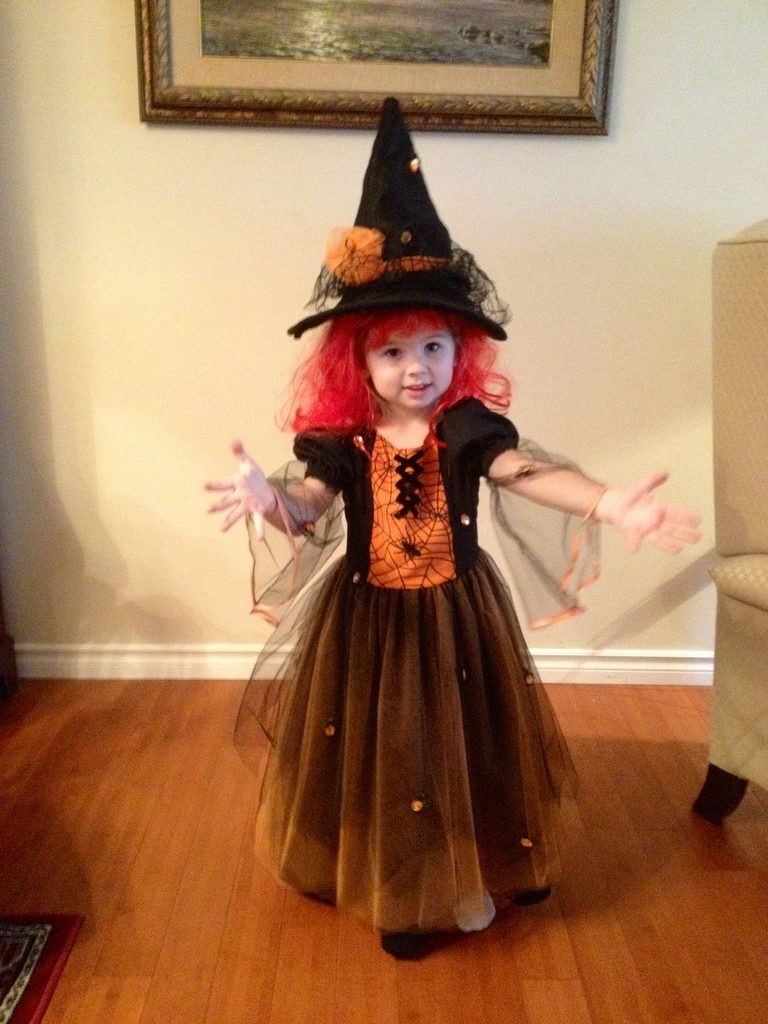
Check what the weather typically looks like in your area around the time Halloween usually falls. A costume that looks perfect in a catalog may not hold up well in cold or rainy conditions outside.
Thin fabrics and short sleeves can leave a child shivering halfway through an evening of trick or treating.
Planning for weather does not mean giving up on the costume your child already picked out. It usually just means adding a few smart layers underneath the costume itself.
What to Wear Under a Halloween Costume When the Weather Gets Cold walks you through exactly how to do that without ruining the overall look your child wanted.
A few minutes spent checking the forecast the week before saves a lot of scrambling on the actual night. Keeping one warm layer ready in a bag near the door also helps if the temperature drops unexpectedly.

Offer a Few Choices, Not Endless Ones
Too many options can overwhelm a young child fast, leading to constant changes of mind every day. Narrow the choices down to three or four before asking your child for a final decision.
This still gives your child a real say without dragging the whole process out for weeks on end. Fewer choices tend to lead to a faster, more confident decision from a child overall.
It also reduces the chance of last minute regret once the actual costume finally arrives at home. A shorter list respects both your child’s opinion and your own patience during a busy season.
Some parents write the final options on small cards so the child can physically choose one. This turns the decision into a small game rather than a long, tiring conversation about every possible option out there.
Some kids even enjoy ranking their choices out loud, which gives you a clear sense of their true favorite.
Factor In How Much Time You Have
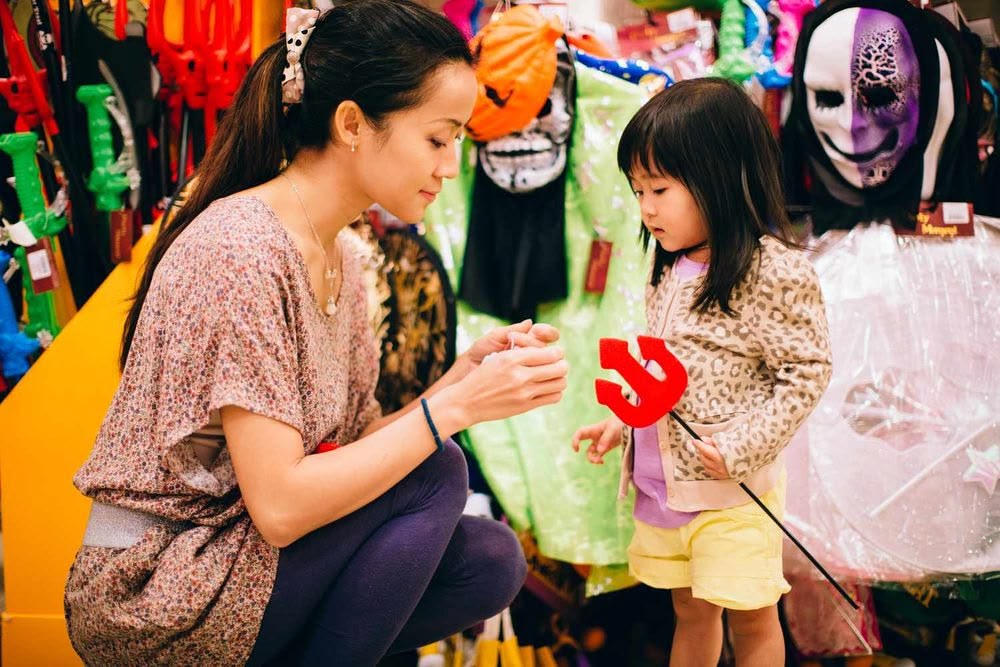
Be honest with yourself about how many weeks are actually left before Halloween arrives. An elaborate costume with many small pieces takes far longer to gather or make than a simple one.
If time is tight, lean toward costumes built mostly from items you already own at home. If you do have time to spare, building something together can turn into its own small family activity.
27 Halloween Crafts for Kids That Look Amazing has ideas that double as a costume project and a bonding activity at the same time.
Starting even one weekend earlier than planned tends to remove a lot of the usual last minute stress. It also gives you room to fix small mistakes without feeling rushed right before Halloween night.
A costume built over a few relaxed evenings usually turns out sturdier than one finished in a single late night rush.

Think About What They Can Actually Do In It
Check if the costume allows your child to move, run, and play the way they normally would each day. A costume that restricts arm movement or blocks vision becomes frustrating fast during an active night out with friends.
Think carefully about the kind of evening your family usually has together on Halloween night. If it involves games or group activities before trick or treating even begins, movement matters even more than usual.
35 Halloween Activities for Kids They’ll Actually Want to Try gives a good sense of what kind of movement to plan a costume around. A costume that photographs well but cannot survive a game of tag rarely stays a favorite for long.
Testing this ahead of time saves you from a mid evening costume malfunction in front of the whole neighborhood. A few minutes of running or jumping in the backyard tells you almost everything you need to know.

Avoid Costumes That Need Constant Adjusting
Some costumes look great in photographs but require constant fixing throughout an entire evening out. A crown that keeps sliding off or a cape that keeps tangling becomes a real distraction fast.
Kids lose interest quickly in a costume that needs this much upkeep, no matter how much they liked it initially. Before buying or making anything, think through carefully how it holds up during actual movement and play.
A quick test walk around the living room can reveal a lot before the big night ever arrives. Sleeves that are too long or shoes that slip off are two of the most common culprits worth checking first.
Fixing these small issues before the night arrives usually takes far less effort than fixing them halfway through trick or treating. A safety pin or two tucked into a bag can also solve most surprises on the spot.
Talk About the Character or Theme Behind It
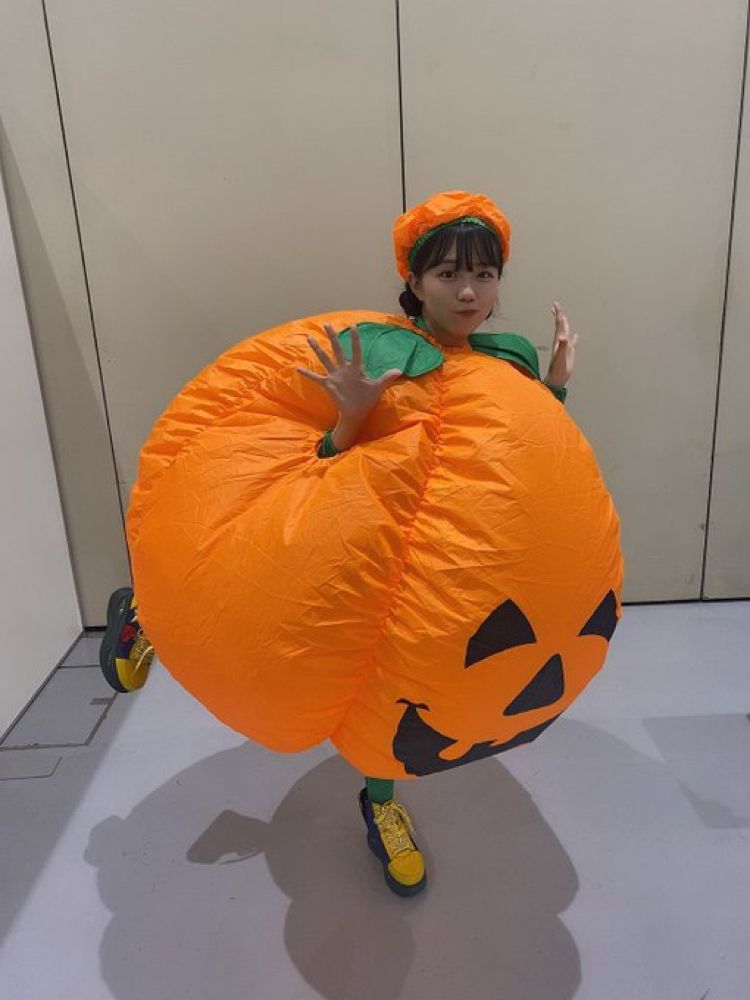
Ask your child what they like about the character or theme they picked out this year. Sometimes the answer reveals something worth building the whole night around together as a family.
A child who loves a certain animal because of its strength may enjoy learning a bit more about it. Costumes tied to a story or a fact tend to hold a child’s interest longer than ones picked at random.
How to Turn Halloween Into a Fun Learning Experience for Kids shows how to build a little learning into the costume choice itself without it feeling like schoolwork.
This conversation also tends to reveal which part of the costume matters most to your child. Sometimes it is the cape, sometimes it is a single accessory, and knowing that helps if anything needs replacing later.
It also gives you something specific to compliment on the actual night, which tends to mean a lot to a child.

Let Them Help With the Small Details
Once the main costume is settled, let your child pick some of the smaller accessories too along the way. A choice of gloves, a hat, or a small prop gives them another say in the final look overall.
This also tends to reduce complaints about the costume later, since they feel more involved in creating it. Small details like this often end up being a child’s favorite part of the entire outfit by the end.
Giving them this bit of control costs very little and tends to pay off well at the door. Even letting them choose the color of a single accessory can make the whole costume feel more personal.
Some kids remember that one small choice more than any other part of the costume by the end of the night. That small sense of ownership tends to matter more to a child than most adults expect going in.
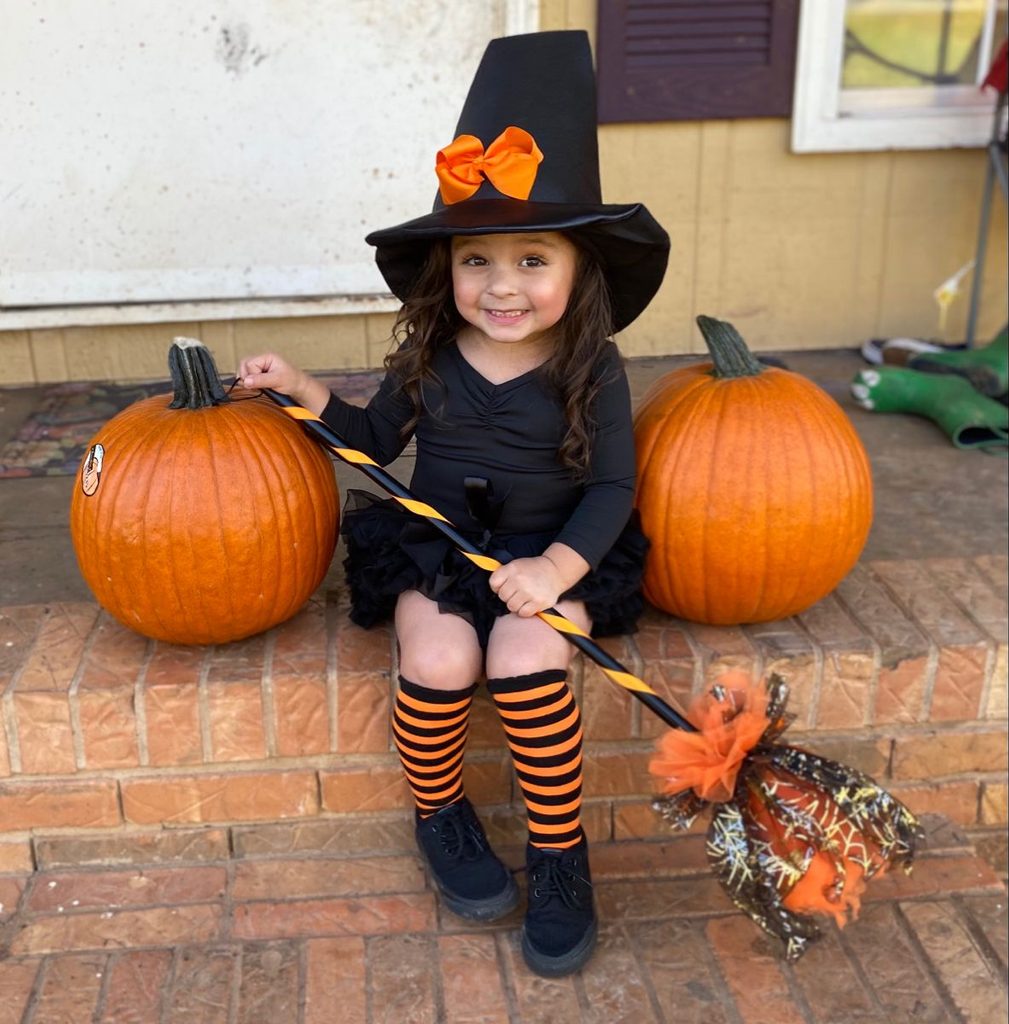
Pair the Costume With the Right Hair
A finished costume usually includes more than just the outfit itself, and hair plays a bigger part than most parents expect. A messy bun under a superhero mask or loose curls under a fairy crown can pull the whole look together.
Letting your child weigh in on their hair, the same way they weighed in on the costume, keeps them fully involved in the process.
27 Halloween Hairstyles for Little Girls That Complete Any Costume has ideas that match almost every costume style on this list.
Even a five minute hairstyle can make the difference between a costume that looks half done and one that looks fully finished. This is often the last step people think of, even though it shows up in nearly every photo taken that night.

Test the Full Costume Before the Big Night
A day or two before Halloween, have your child wear the full costume for a short trial run at home. This catches any fit problems, itchy spots, or missing pieces while there is still time to fix them properly.
It also gives your child a chance to get used to how the costume feels and moves around. Some kids need a bit of practice walking in longer capes or bigger shoes before the actual night arrives.
This step takes very little time overall but prevents a lot of stress once Halloween actually gets here. It also gives you a final window to add any small fix, like a loose button or a slipping strap, before the actual night.
Kids who try the costume on ahead of time also tend to feel calmer once the real night finally arrives.
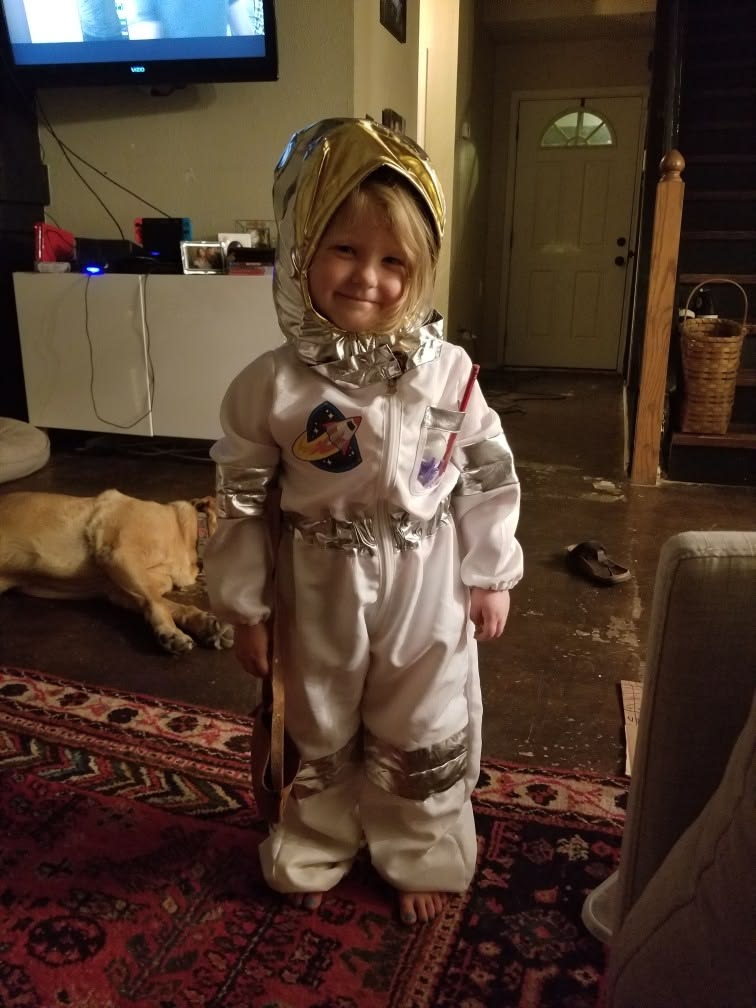
Have a Backup Plan Ready
Even the best laid plans sometimes fall apart at the very last minute, no matter how much you prepared. Fabric tears, pieces go missing, or a child suddenly changes their mind completely a day before the event.
Having a rough backup idea ready saves you from a full blown panic close to Halloween night.
How to Put Together a Last-Minute Halloween Look Without Buying a Full Costume is worth reading ahead of time, just in case plans shift unexpectedly at the worst moment.
Keeping a few basic items on hand, like a plain black outfit, gives you a head start if a backup plan suddenly becomes necessary.
Knowing this option exists ahead of time tends to lower everyone’s stress, even if it never actually gets used.

Trust Their Final Choice
Once your child has picked something, try to support it fully, even if it genuinely surprises you at first. A costume you would not have chosen yourself can still be exactly right for your own child.
Kids tend to remember how excited the adults around them were about their choice, not just the costume itself. Support matters more in the long run than the outfit looking a certain way in photographs.
Letting them lead this part builds a small bit of confidence that carries well beyond just one night out. It teaches them that their own taste is worth trusting, which matters far past October.
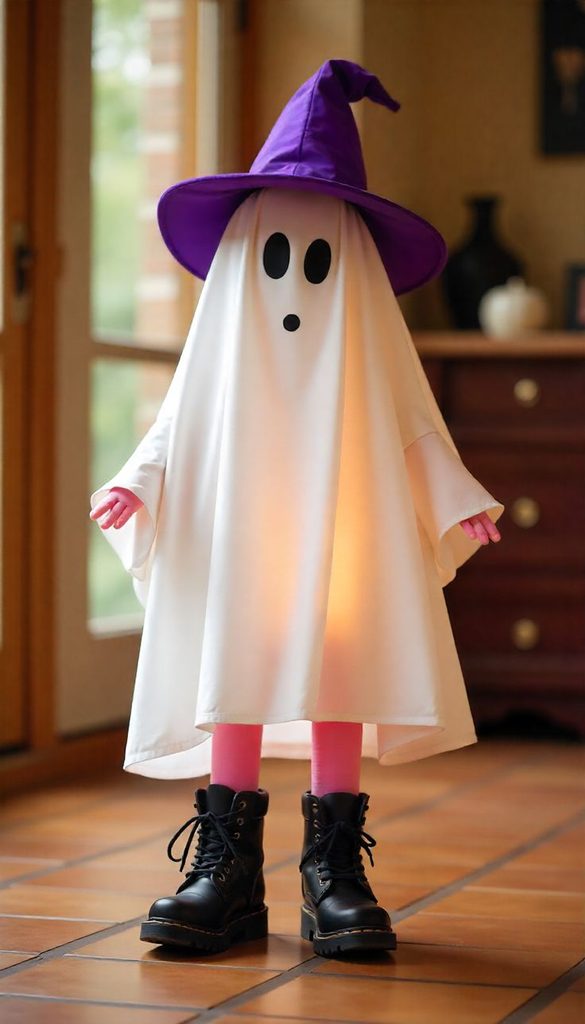
Keep Budget Talk Away From Your Child
Costumes can range from very cheap to fairly expensive, depending on the materials and details involved. Decide on a rough budget before you start browsing, so the search stays focused instead of open ended.
Try to keep budget conversations between the adults, rather than making your child aware of price limits directly. A child who hears there is a spending limit may feel guilty about wanting something nice this year.
If a pricier option is truly out of reach, redirect the conversation toward similar choices instead of explaining the cost outright. Most kids care far more about the excitement of a costume than the actual price tag behind it.

Ask What They Want to Feel Like
Beyond looks, ask your child how they want to feel while wearing the costume this year. Some kids want to feel strong, some want to feel graceful, and some just want to feel funny.
This question often uncovers a theme that a simple description like animal or superhero does not fully capture. A child who says they want to feel brave might lean toward a firefighter or a knight rather than something softer.
Understanding the feeling behind the choice helps you pick accessories and colors that support that feeling fully. It also gives you a better sense of why a costume matters to your child this particular year.

Watch How They React to the Idea Over Time
Sometimes a child asks for a costume the moment they see it, then changes their mind days later. Give any big decision at least a few days before locking it in completely.
If your child still mentions the same costume a week later without being asked, that is usually a good sign. If they stop talking about it entirely, that silence is worth paying attention to as well.
This waiting period does not need to feel like a test, just a natural pause before spending time or money. Costumes that survive this small waiting period tend to be the ones that get worn without regret.
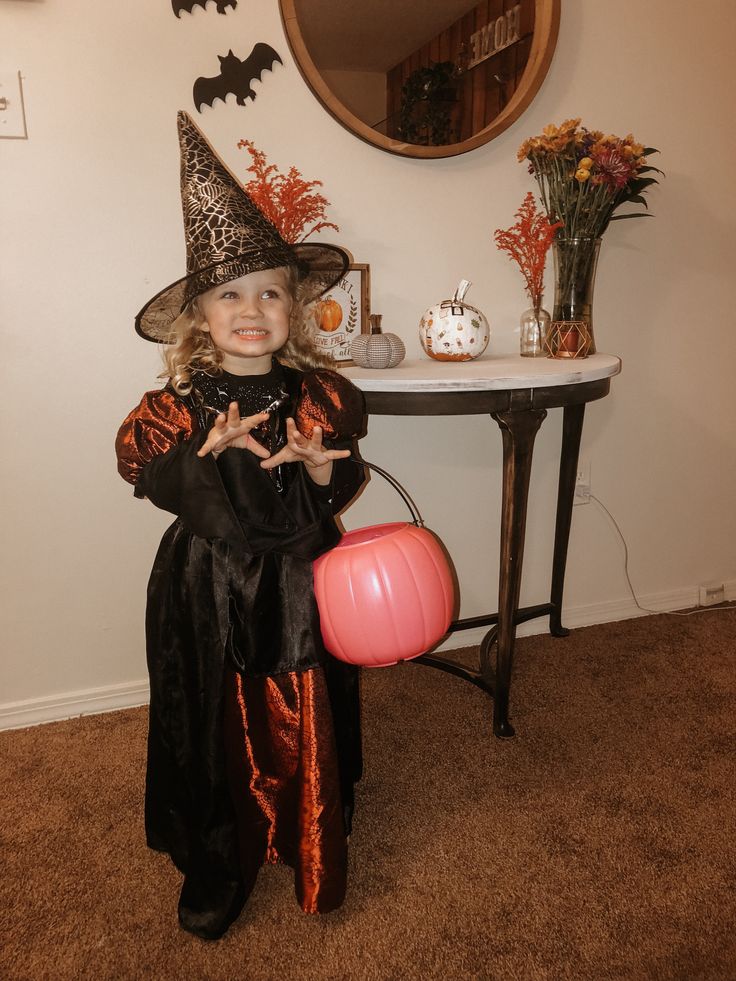
Making the Whole Process Easier
Choosing a costume does not need to feel like a stressful decision every single year around this time. A little patience and a few honest conversations usually lead to a choice your child genuinely ends up loving.
Pay attention to what excites them right now, not what excited them at some point last year.
If you want the rest of the day to run just as smoothly as the costume choice itself, How to Plan a Halloween Activity Day Without Making It Complicated is a good next step worth looking at.
Whatever your child chooses this year, let their excitement guide the final decision more than anything else on this list. A costume picked this way tends to become the one they talk about long after Halloween has ended.
It also sets a good pattern for next year, when the whole process starts all over again. The goal is never a perfect costume, just one your child is genuinely proud to wear from the front door to the last house on the street.

