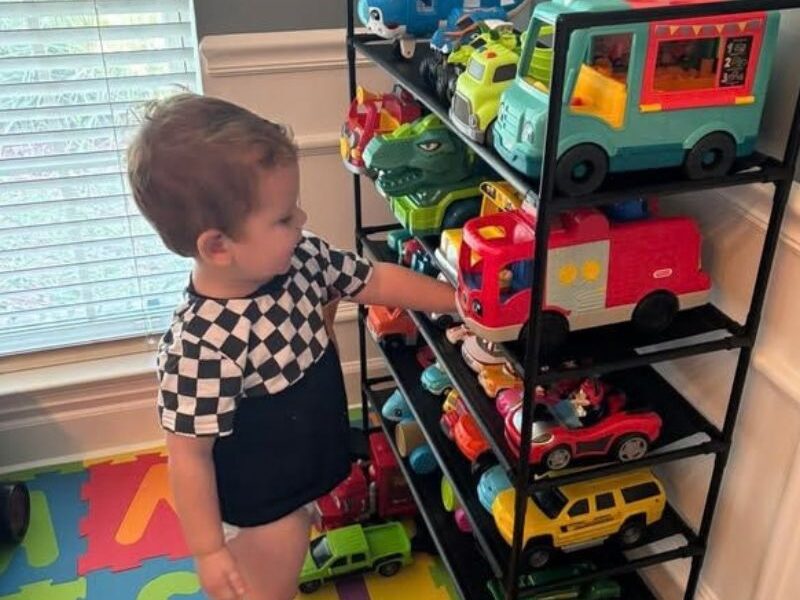
It’s not just about arranging a kids’ room, it’s also about making it fun and lively, since a flat, purely practical space rarely holds a child’s interest for long. Many parents swing too far in one direction, building either a picture-perfect showroom or a chaotic playroom nobody can navigate.
Both extremes cost more than they save, since a room that fails at either job gets fought over daily. The real risk is a room your child avoids, or one so cluttered that sleep and focus both suffer.
The fix is a room that balances joy and order, so your child wants to be there and can truly function there. This final guide pulls together every idea from this series into one complete, usable plan.
You will find quick links to deeper posts throughout, so treat this as your map to the whole project. Skim it once for the big picture, then return to individual sections whenever a specific room task comes up. Each section below tackles one part of the room, with fun and function both built in from the start.

The Complete Guide to Creating a Fun but Functional Kids’ Room
Start With a Plan, Not a Shopping Trip
Every great kids’ room begins with a plan, not with a cart full of impulse purchases. Sit down and list what the room needs to do, such as sleep, play, study, and storage.
Involve your child in this early conversation, since their input shapes a room they will actually use.
Set a realistic budget before browsing stores or websites, since a plan protects you from overspending later. A number written down ahead of time makes in-store decisions faster and far less emotional.
Sketch a rough floor plan, marking the door, window, and outlets before choosing any furniture at all. A room that supports lasting habits is worth the extra time, as How to Design a Kids’ Bedroom That Grows With Your Child explains.
Think about your child’s age now and where they will be in a few years from today. A little foresight here saves both money and the disruption of a full redo later on.
Furniture bought only for today often gets replaced twice as often as furniture chosen with growth in mind. Spending slightly more on a piece that adjusts usually pays for itself within a couple of years.
A clear plan turns a big, overwhelming project into a series of smaller, manageable decisions. Most parents find the whole process far less stressful once it is broken into clear, separate stages.
Write the plan down, and revisit it whenever a new idea or a tempting sale comes along. A written plan also keeps two parents aligned, which avoids duplicate purchases and mismatched decisions.

Choose a Calm Base With Room for Color
The walls, floor, and large furniture should stay calm, neutral, and easy to live with for years. Soft whites, warm grays, and pale woods make a strong, flexible starting point for almost any theme.
This base protects your budget, since repainting or replacing large items is expensive and disruptive to redo often.
Bring in color and personality through small, cheap items instead, like bedding, cushions, and wall art. This approach lets your child’s taste show through without locking you into a theme they will outgrow quickly.
Swapping a cushion cover is far easier than repainting an entire dinosaur-themed accent wall each year. A neutral base also supports focus and calm, which matters for sleep and quiet, thoughtful play alike.
A busy backdrop can quietly interfere with both, even when nobody notices the connection right away.
Fun does not require bold walls, since texture, pattern, and small pops of color add plenty of energy. A textured rug or a patterned cushion can do more work than an entire painted accent wall.
Let your child choose two or three favorite colors, and repeat them lightly throughout the room. Repetition, rather than intensity, is usually what makes a color scheme feel intentional and calm.
A calm base with playful accents gives you the best of both function and genuine, lasting fun. This balance also ages well, since swapping a few accents costs far less than repainting a room.

Solve Storage Before You Solve Anything Else
Storage is the backbone of a functional room, and it deserves attention before furniture or decor decisions. A room without enough storage will always look messy, no matter how carefully you decorate around it.
Start with an honest look at what your child owns, and sort before buying a single bin.
For a full, practical plan, read How to Organize a Kids’ Room When There Is Barely Any Storage closely. Choose open, low storage your child can use alone, since accessible storage supports both tidiness and independence.
A shelf a child can actually reach does more work than any expensive organizing system.
Label everything clearly, using pictures for younger children and words for older ones who can read. Clear labels also help visiting relatives and babysitters put things away correctly without needing to ask.
Keep a donation box handy, so outgrown or unused items can leave the room the moment you notice them. A quick, ongoing habit like this beats one exhausting purge attempted just once a year.
Good storage is not glamorous, but it quietly makes every other part of the room work better. Skipping this step often means redoing decorating decisions later, once the clutter problem becomes obvious.
Give Toys a System, Not Just a Home
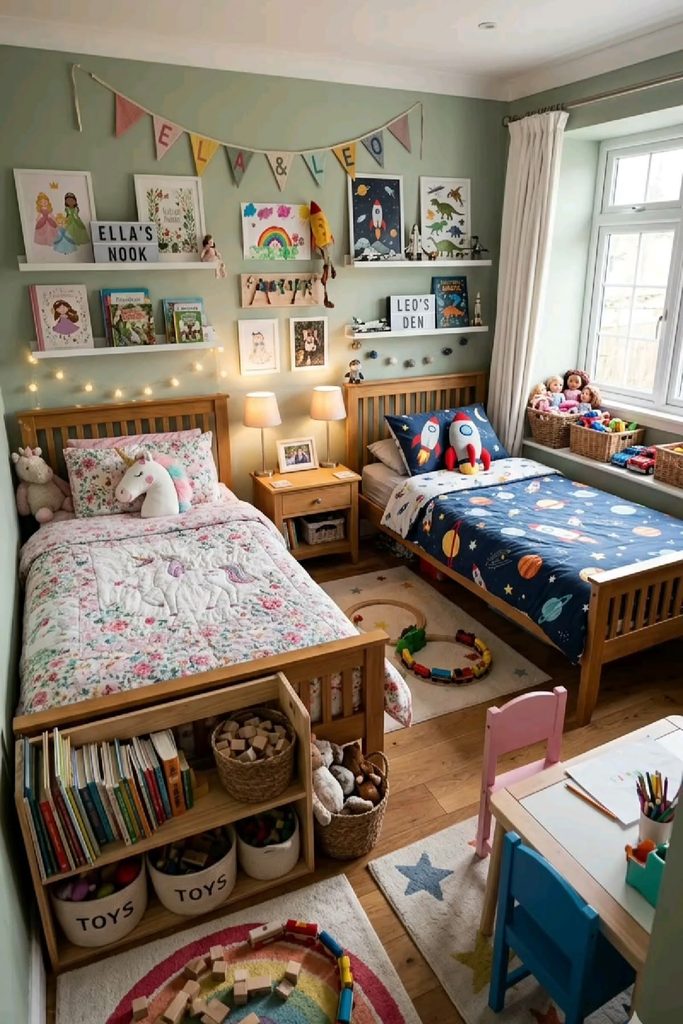
Toys need more than a bin; they need a system that keeps them easy to find and put away. Sort toys into clear groups, and give each group its own labeled, open container on a low shelf.
For the full system, read How to Organize Toys So Kids Can Actually Find What They Want.
Rotate toys every few weeks, storing half the collection elsewhere and swapping items in to keep interest fresh. Toys returned after a rest often feel new again, even without any money being spent.
This single habit reduces clutter without requiring you to buy a single new piece of furniture. It costs nothing beyond a closet shelf and a recurring reminder set on your phone.
Keep the toy count manageable, since fewer toys almost always lead to longer, more focused, more imaginative play.
Let your child help decide which toys stay in daily rotation and which move to storage. Their choices often reveal favorites you would never have guessed just from watching them play.
A working toy system turns cleanup from a nightly battle into a short, simple, five-minute routine. Parents who build this habit early often say it is the single change that saved their evenings.
Build a Dedicated Play Zone
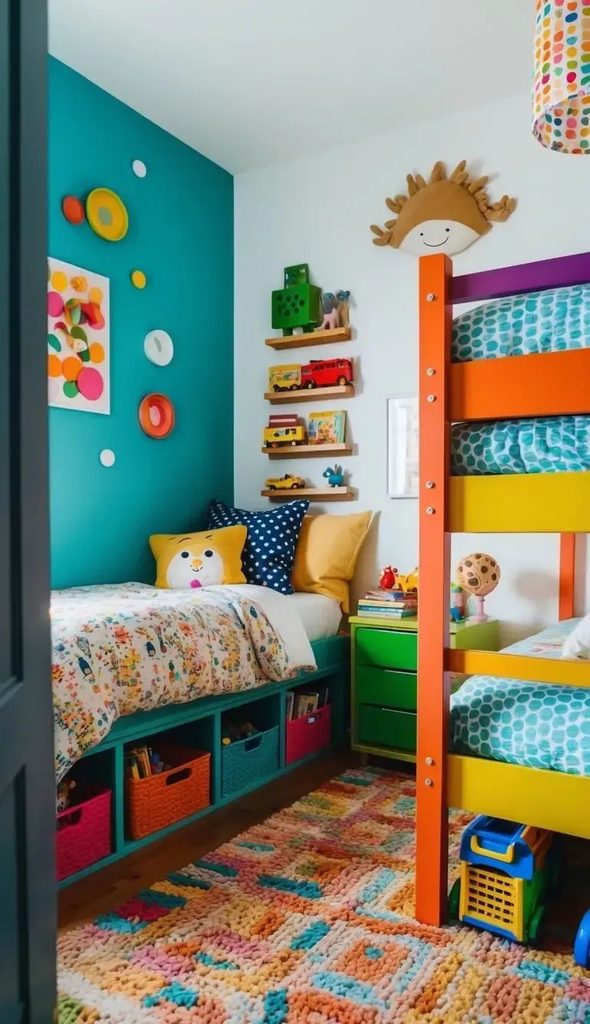
Every room benefits from a clear play zone, even if the space is small or shared with other uses. Mark the zone with a rug, and keep the center of the room open for movement and building.
If your home has room for a separate playroom, The Best Way to Create a Playroom Without Filling Your Home With Toys has more.
Choose open-ended toys, like blocks and dress-up clothes, since they invite longer and richer imaginative play. Keep the play zone visually calm, since a chaotic backdrop can overstimulate a child during focused, creative activity.
A dedicated play spot gives your child a clear signal that this area is meant for fun.
This clarity also makes cleanup faster, since toys have an obvious place to return to when playtime ends. A clear ending point to play also helps children transition into the next part of the day.
A well-planned play zone proves that fun and function can share the exact same small corner of a room. Even a modest patch of floor can carry a genuinely surprising amount of daily joy.
Add a Reading Corner That Gets Used
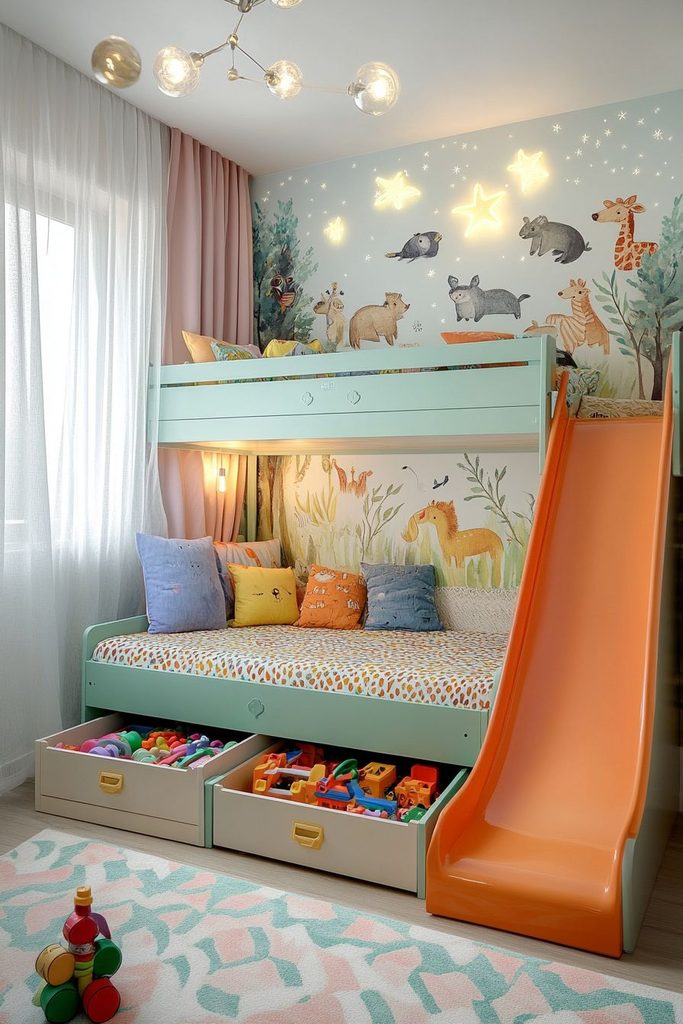
A reading corner adds warmth and calm to any kids’ room, and it costs very little to create. All it needs is a soft cushion, a low shelf, and a warm light nearby.
For detailed ideas, see How to Create a Reading Corner Your Child Will Actually Want to Use for inspiration.
Display book covers facing outward, since children choose stories by pictures far more than by spine labels. Keep the collection small and rotate it often, pairing nicely with the toy rotation habit described earlier.
A cozy, enclosed feeling, like a canopy or a curtain, makes the corner feel extra special and inviting.
Read together there often, since shared time turns the corner into one of the room’s happiest spots. A well-loved reading nook proves that a tiny, low-cost corner can carry real emotional weight in a room.
Many adults still remember their childhood reading spot decades after they last sat in it.
Set Up a Study Space That Supports Focus
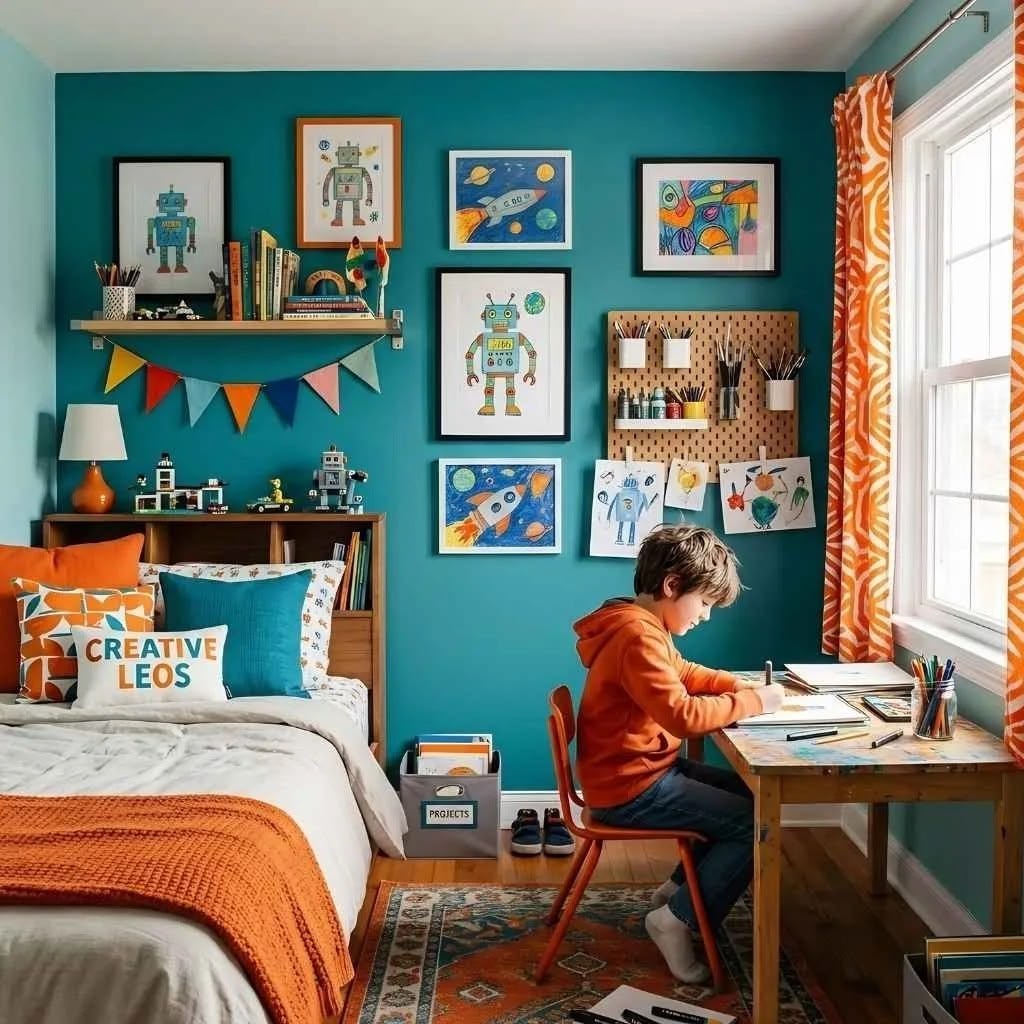
Even young children benefit from a defined spot for drawing, puzzles, and eventually homework and schoolwork. Choose a desk and chair sized to your child, with feet resting flat on the floor.
For a full breakdown, read How to Create a Kids’ Study Space That Encourages Better Focus closely.
Keep the desk surface simple and clear, storing extra supplies in a nearby drawer or small caddy. Good lighting matters here more than almost anywhere else in the room, so add a dedicated desk lamp.
Position the desk away from the bed and the busiest play zone, protecting focus during study time.
A well-placed study spot removes one of the most common daily battles between parents and school-age children.
Function here directly supports something your child needs for years, making this one of the room’s most valuable corners. A good study habit formed early tends to carry smoothly into the later school years.

Make a Small Room Feel Bigger
Many families work with limited square footage, and smart choices can make even a tiny room feel roomy. Push the bed against a wall, use light colors, and lift storage onto the walls wherever possible.
For a full set of strategies, read How to Make a Small Kids’ Bedroom Feel Bigger and More Functional.
Choose multi-purpose furniture, like a storage bench or a bed with drawers built into its base. Keep the floor as clear as possible, since open floor space does more for a small room than any trick.
Mirrors and light, unified colors can visually stretch a tight room without any construction at all.
A small room, edited well, often feels calmer and more functional than a large, cluttered one. Fun and function both survive tight spaces just fine, as long as every choice serves a real purpose.
Small rooms simply demand more discipline about what earns a permanent spot inside them at all.
Plan for Independence With Montessori Ideas
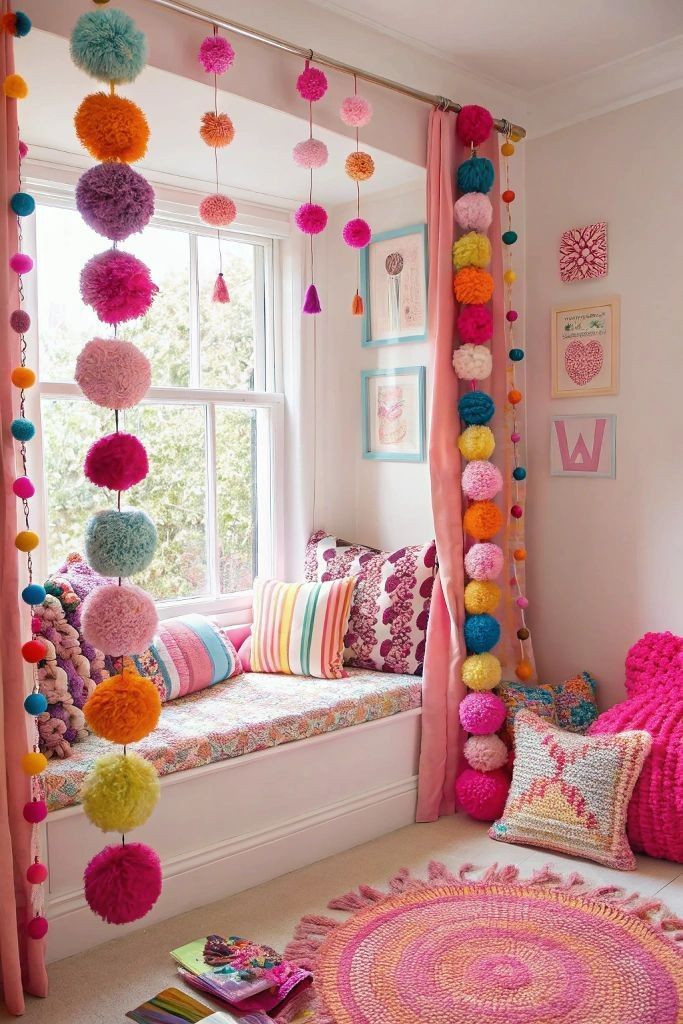
Independence quietly transforms daily life, letting your child dress, tidy, and play with far less adult help. Lower the closet rod, use open shelving, and consider a floor bed for younger children.
For a gentle, low-cost approach, see How to Create a Montessori-Inspired Kids’ Room Without Redoing Everything.
These changes do not require a full renovation, only thoughtful adjustments to height and access throughout the room. A child who can reach their own things gains confidence that spreads well beyond the bedroom itself.
Independence also makes the room more functional for you, since fewer daily tasks require your direct help. Small pockets of freed-up time each day add up to something meaningful across an entire year.
Fun grows naturally from this kind of confidence, since children enjoy spaces where they feel genuinely capable. A child who can act without asking almost always seems lighter and happier in their own room.
A room built around independence quietly supports both the fun and the function you are aiming for. Watching a child manage their own space is one of the quieter joys of this whole project.

Design Thoughtfully for a Shared Room
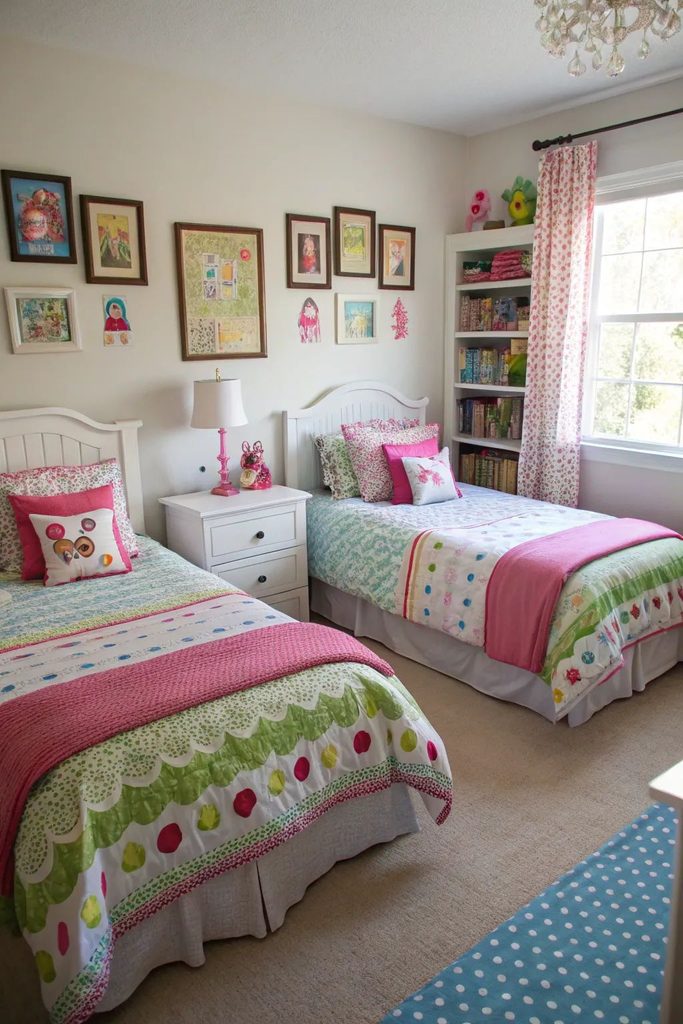
Siblings sharing a room face extra challenges, but a fun and functional space is still entirely possible. Give each child a clear zone, a personal storage area, and a say in small decorative choices. For a complete plan, read What Every Parent Should Know Before Designing a Shared Kids’ Bedroom.
Balance each child’s personality through small, easy-to-change items rather than through walls, flooring, or large furniture. This approach keeps redecorating cheap even as two children’s tastes drift further apart with age.
Set clear, fair rules about sharing, privacy, and noise, and revisit those rules as both children grow. Rules that felt fair at five may need a fresh look again by age nine or ten.
A shared room, planned well, can build real cooperation instead of constant daily conflict between siblings.
Fun in a shared room often comes from togetherness itself, like a joint reading corner or a shared play zone. Some of the best sibling memories form in exactly these small, shared corners of a room.
Function matters just as much, since clear storage and zones prevent most day-to-day arguments before they start. Most sibling conflict traces back to unclear ownership rather than genuine dislike between the two children.
Layer In Lighting for Mood and Function
Lighting shapes both how a room feels and how well it actually works for daily tasks. Layer a ceiling fixture, a desk lamp, and a soft bedside light to cover every part of the day. Warm bulbs in the evening support winding down, while brighter, cooler light supports focus during study time.
A dimmer switch or a smart bulb adds flexibility without needing any extra fixtures in the room. Both options let one lamp handle several different moods across a single ordinary busy day.
Natural light matters too, so avoid blocking windows with tall furniture or heavy, dark curtains. Daylight remains the best and cheapest light source available for most of a typical afternoon.
Good lighting protects your child’s eyes and quietly shapes mood, energy, and focus throughout each part of the day. A single dim bulb can quietly sap energy from an entire evening of homework or play.
Fun elements, like string lights or a colorful lamp, can add playfulness without sacrificing everyday, practical function. Even a single playful fixture can lift the whole mood of an otherwise plain room.
Thoughtful lighting proves that even small, inexpensive choices can carry real weight in how a room feels. A single well-placed lamp can change a room’s mood more than an entire new color scheme.

Choose Durable Materials That Still Look Great
A kids’ room takes daily wear, so materials need to handle real life, not just look nice in photos. Choose washable fabrics for bedding, curtains, and rugs, since spills and stains are simply part of childhood.
Solid wood and metal furniture generally holds up better than thin, flimsy particleboard over years of use.
Rounded corners and smooth edges protect active children who run, climb, and jump throughout the room. These small safety details rarely get noticed until the day they quietly prevent an injury.
Durability does not mean boring, since plenty of tough, practical materials also come in bright, playful colors and patterns. Practical no longer has to mean plain, especially with today’s much wider range of options.
Secure tall furniture to the wall, since safety should never be sacrificed for style or convenience.
A room built to last through real, everyday childhood stays fun and functional for far longer than a fragile one. Sturdy choices rarely look boring, since good design and real durability go hand in hand.
Smart material choices protect your budget while still giving your child a room that feels genuinely playful. Spending a little more up front often saves a larger replacement cost further down the road.

Personalize the Space Without Losing Function
Personal touches turn a well-organized room into a space your child truly loves and feels proud of. Let your child choose art, a favorite color accent, or a themed item for one small area.
Keep personalization light in high-function zones, like the study desk, where clutter can quietly hurt focus. A single favorite object there is usually enough without crowding the whole working desk surface.
Balance is the goal here, letting personality shine without letting it disrupt the systems you have built. A gallery wall, a name sign, or a favorite poster can add real warmth at very little cost.
Ask your child what would make the room feel more like theirs, and listen closely to their answer. Their answer is often smaller and cheaper than whatever a parent might have first guessed.
A personalized room earns more daily use and more genuine care from the child living inside it. Children tend to look after spaces they feel proud of far more than spaces chosen entirely by someone else.
This step is often the one that finally makes a well-planned room feel complete and truly loved. It is the small, human layer that turns a good design into a genuinely happy room.
Build Habits That Keep the Room Working
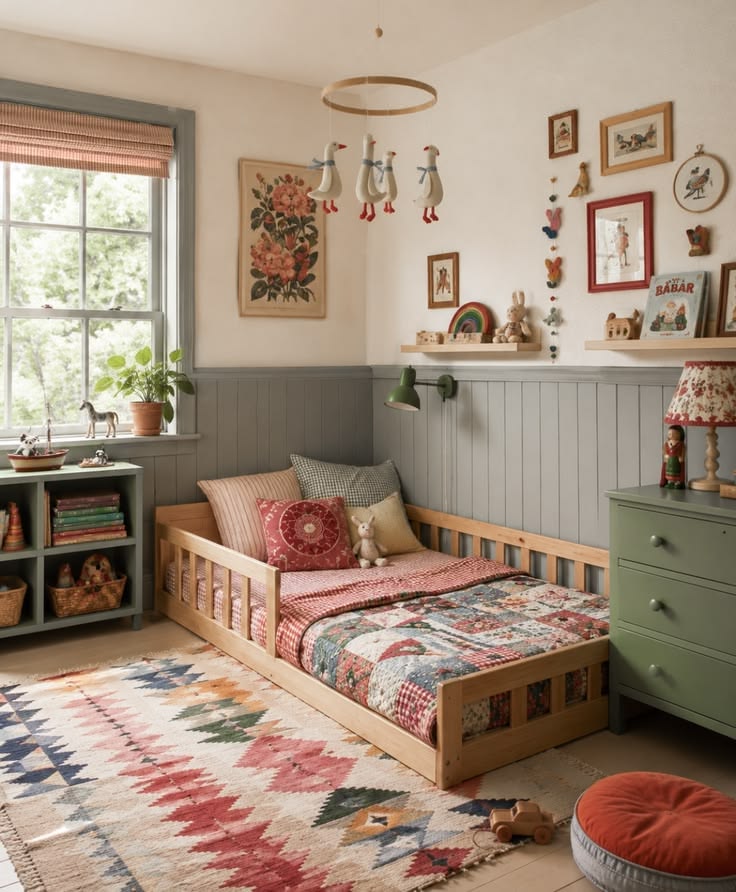
Even the best-designed room needs daily habits to stay both fun and functional over the long run. Set a short nightly reset, where toys, clothes, and books each return to their labeled, designated spot.
Keep the routine light and quick, so tidying feels like a normal part of the day, not a punishment.
Do a deeper review every few months, removing outgrown items and adjusting storage as your child grows and changes. Involve your child in this process, since ownership builds lasting habits far better than rules imposed from above.
Praise effort and consistency over perfection, since habits form gradually through steady, repeated practice over time.
A room that works depends more on daily habits than on any single piece of furniture or decor. Habits are also free, which makes them the most cost-effective upgrade available to any family. S
trong habits protect every choice made throughout this guide, keeping the room fun and functional for years to come. Without them, even the most carefully planned room slowly slides back into its old daily disorder.

Revisit and Adjust as Your Child Grows
A kids’ room is never truly finished, since children’s needs shift constantly through each new stage of life. Schedule a yearly check-in, walking through the room with your child to ask what works and what does not.
Update storage heights, swap out toys, and adjust the study or play zones as interests change.
Small, regular updates prevent the need for one big, expensive, disruptive overhaul every few years. Keep the core, neutral base steady, and let smaller, cheaper items carry most of the change over time.
This flexible approach protects your investment while keeping the room relevant to your child’s actual current life. A room that adapts costs less over a decade than one rebuilt from scratch every few years.
A room that grows with your child stays fun because it never feels stale or disconnected from their interests.
It stays functional because every part continues to serve a genuine, current, everyday purpose in daily life. Purpose, more than polish, is what keeps a room worth the effort you put into it.
Putting Everything Together
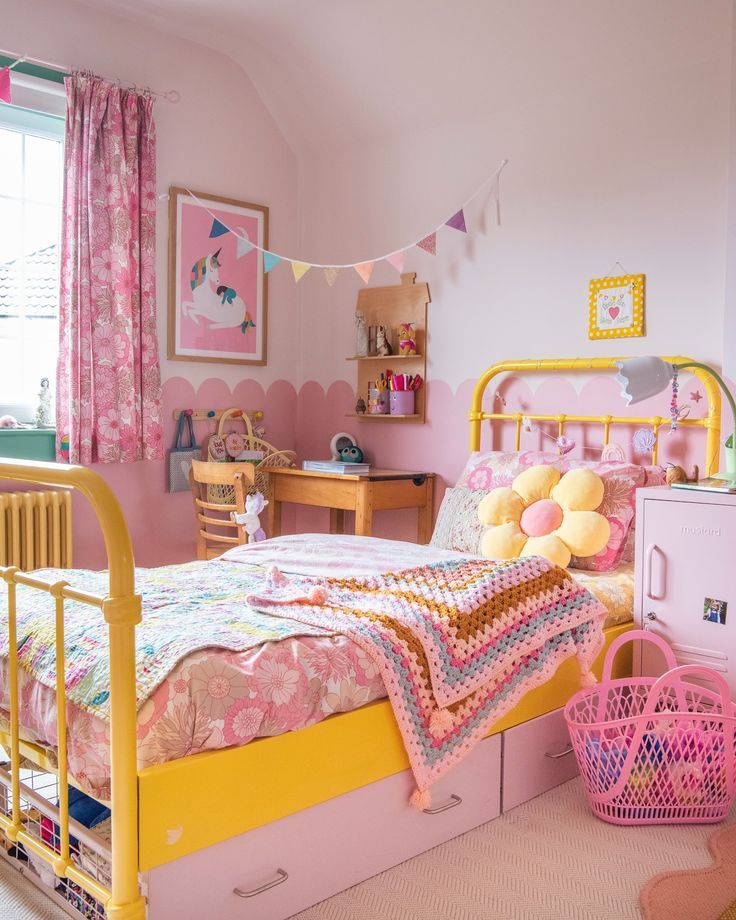
A truly great kids’ room balances joy and order, blending color and calm, storage and personality, structure and genuine fun. Start with a clear plan, build a calm base, and solve storage before worrying about decor or themes.
Add zones for play, reading, and study, and design thoughtfully for small spaces and shared rooms alike.
Layer in good lighting, durable materials, and small personal touches that make the room feel truly loved. Build daily habits that keep the whole system working, and revisit the plan as your child grows and changes.
Every idea in this series works together, and no single piece matters more than the complete, connected whole. Pulling even a few threads out weakens the room’s overall balance more than it might seem.
It’s not just about arranging a kids’ room, and it never really was, since a room shapes daily life in ways furniture alone cannot capture.
Build a space that supports both joy and order, and your child will thrive within it for years. Start today with one small step, and let the rest of this complete guide carry you forward.