Most parents hear “Montessori bedroom” and picture a full renovation, custom shelving, and a hefty bill at the end. That fear stops many families from trying an approach that could genuinely change how their child moves through daily life. The real cost of skipping it, though, is quieter but just as real over time.
A room built only for adults keeps a child dependent on you for small daily tasks. Every time your child cannot reach a cup or a coat hook, they learn to ask instead of try. Over months, that small pattern quietly shapes a child’s confidence, and not always for the better.
The good news is that Montessori design is about height, order, and access, not about buying anything expensive. A few small shifts can turn an ordinary bedroom into a space that supports real independence. This approach pairs well with a room built to last, so see How to Design a Kids’ Bedroom That Grows With Your Child too.
This guide walks through practical, low-cost changes you can make without touching a single wall or floor. You will learn how to adjust height, storage, and layout so your child can do more on their own.

How to Create a Montessori-Inspired Kids’ Room Without Redoing Everything
Understand What Montessori Design Actually Means
Montessori design centers on one core idea, which is letting a child act independently within a safe, ordered space. It does not require specific furniture brands, a certain color palette, or a total room overhaul.
The method focuses on matching the environment to a child’s current size, skills, and daily needs.
A true Montessori room removes barriers between a child and the things they need to grow. That means low shelves, open access, and furniture sized for a small body rather than an adult one.
Order also matters deeply, since a place for everything helps a child predict and manage their own space.
Freedom within limits is another key idea, giving children real choices inside a structure that stays safe and calm. This balance protects a child while still letting real, meaningful decisions belong genuinely to them.
This is different from a room with no rules, since boundaries still guide what a child can access. Structure and independence work together here, rather than pulling against each other constantly throughout the day.
Understanding these principles first will help you make smarter, more confident choices as you adjust the room. Skipping this step often leads to buying products that look the part but miss the actual point.
A shelf marketed as Montessori style means nothing if it still sits too high to use.
You do not need training or a certification to apply these ideas well at home. Careful observation of your own child will teach you more than any course or certificate could.
A little research and a willingness to see the room from your child’s height go a long way. Most of the meaningful change here costs nothing beyond a bit of thought and rearranging.
Start by Seeing the Room From Your Child’s Height
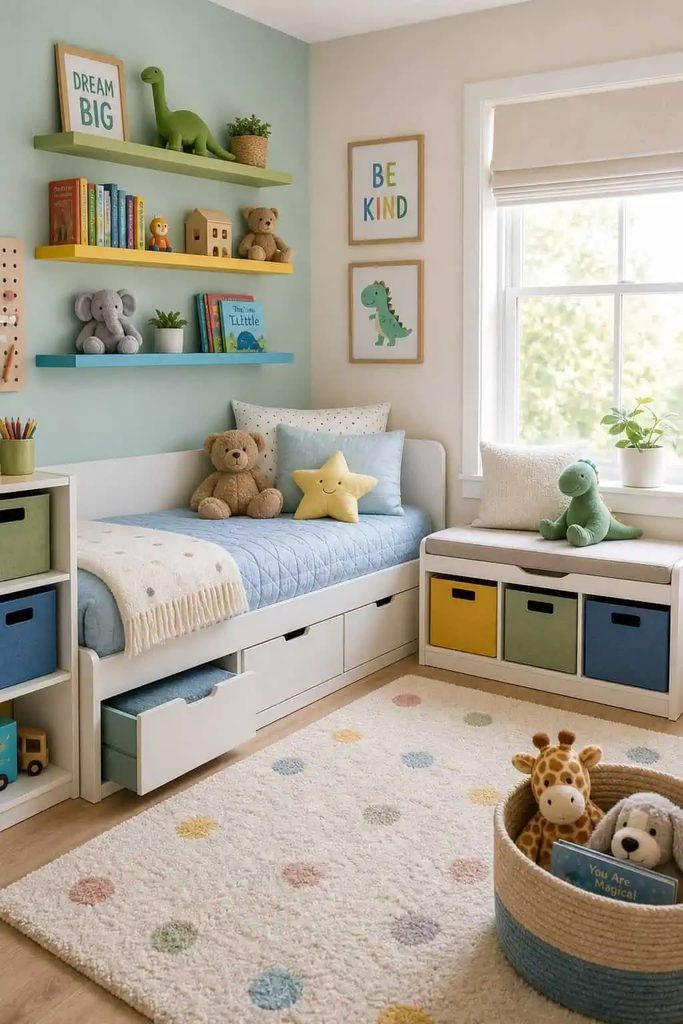
Before changing anything, get down to your child’s eye level and really look around the room. Kneel, crouch, or sit on the floor, and notice what you can and cannot reach easily.
Many rooms look organized from adult height but feel completely inaccessible from a child’s much lower view.
Check the closet rod, the top shelf, and the light switch, since all three are often too high. Notice what draws your attention first, since children often focus on the same bright or open spots.
This exercise usually reveals surprising barriers, like a favorite toy tucked on a shelf just out of reach. Parents are often startled by how much of the room quietly excludes their own child.
Take a few photos from this low angle, and compare them with your usual view of the room. The difference is often more striking in a photo than it ever feels while standing in the room.
The comparison often shows a big gap between how organized a room looks and how usable it feels. Usable, in this context, simply means a child can act without constantly needing an adult’s hands.
Do this walkthrough every few months, since your child’s height and reach change constantly during early years. A shelf that felt perfectly placed in spring can feel too low again by autumn.
This simple habit costs nothing, yet it guides nearly every other decision in a Montessori-inspired room. Involve your child in the walkthrough too, and ask them what feels hard to reach or use.
Their answers are often more specific and useful than anything you would have guessed alone.

Lower the Closet and Clothing Storage
Clothing independence is one of the easiest wins in a Montessori-inspired bedroom, and it starts with height. Lower the closet rod to a height your child can reach without asking for help.
If a low rod is not possible, add a second rod below the existing one instead.
Use open bins or low drawers for folded clothes, and keep only a week’s worth of outfits accessible. Store out-of-season or special-occasion clothes higher up, where only an adult needs to reach them.
Add a small stool nearby for the times a child needs a slightly higher reach. A stool also builds patience, since climbing safely takes a bit more effort than simply asking.
For more small-space storage ideas, see How to Organize a Kids’ Room When There Is Barely Any Storage. Choose slim, sturdy hangers your child can manage, since bulky ones often frustrate small hands.
Let your child choose their outfit from the accessible options each morning, building decision-making skills early. Even a small choice, like picking between two shirts, builds real, lasting confidence over time.
This single change often removes one of the most common daily battles between parents and young children. A child who dresses independently gains confidence that spreads into other parts of their day.
Mornings tend to run more smoothly once this one daily task no longer needs your help.

Bring the Bed Down to Floor Level
A floor bed is one of the most recognizable features of Montessori-inspired bedrooms, and it serves a clear purpose. A low mattress or a simple floor-level frame lets a child get in and out without any help.
This removes the need for a crib rail and gives a toddler more freedom to move safely.
Place a soft rug beside the bed to cushion any tumbles during those first independent nights. Most falls at this stage are minor, and the rug is mostly there for extra peace of mind.
A floor bed also allows a child to explore their room safely after waking, without needing to call out. Some parents worry about safety, but a well-baby-proofed room actually reduces most of the real risks. S
ecuring furniture and covering outlets matters far more here than the height of the mattress.
If a full floor bed feels like too big a change, a low platform frame offers a middle option. This same philosophy carries into shared play spaces, as The Best Way to Create a Playroom Without Filling Your Home With Toys shows.
Keep the sleeping area calm and simple, since a floor bed works best in an uncluttered space.
This shift often surprises parents with how much calmer bedtime and wake-up routines become over time. Fewer nighttime calls for help often follow within just a couple of weeks of the change.
Create Open, Low Shelving for Toys and Books
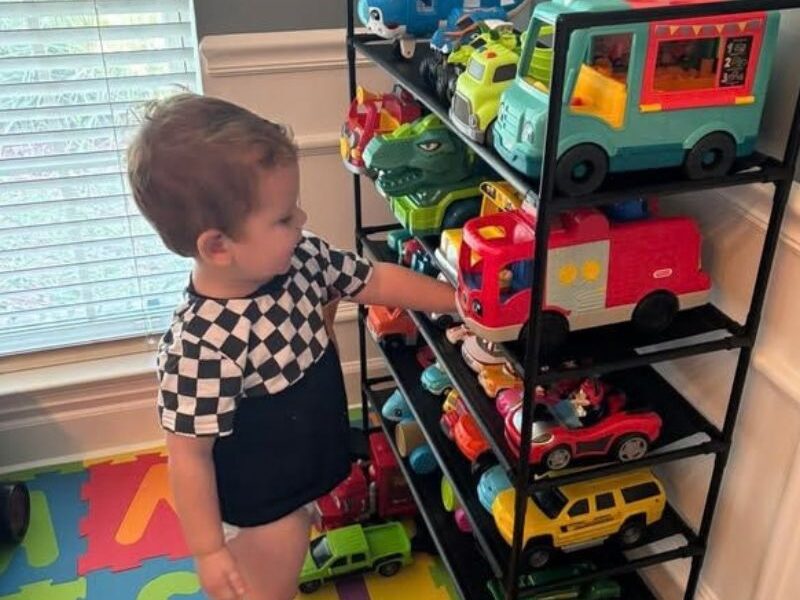
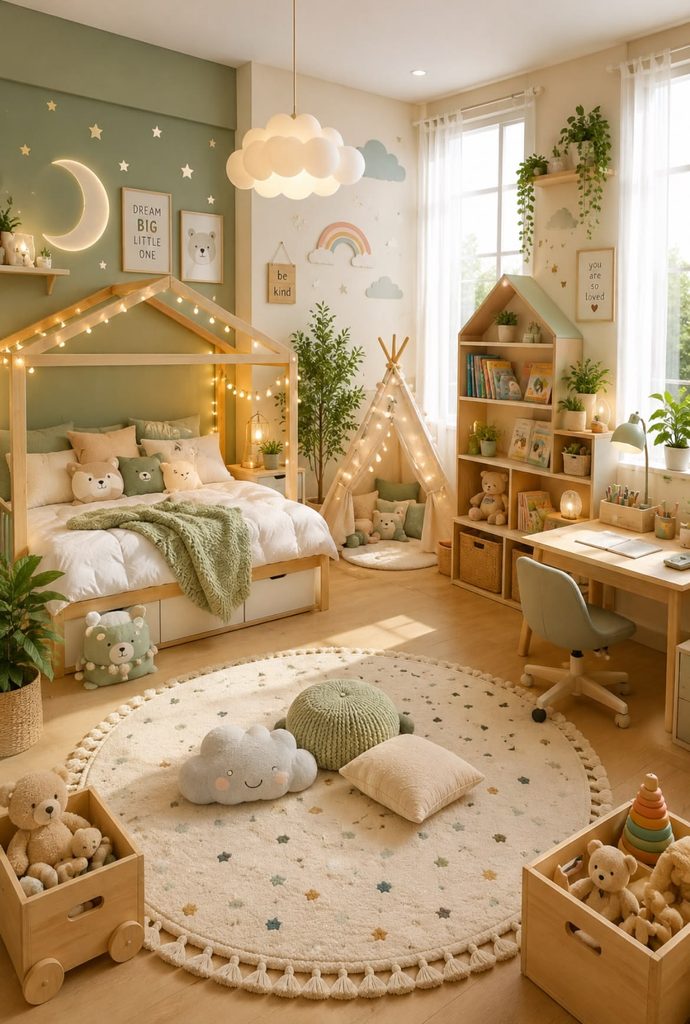
Open, low shelving replaces bins and toy chests as the main storage in a Montessori-inspired room. Children can see every item at a glance, which makes choosing and returning toys far easier than digging through bins.
Keep the number of items on display small, since a crowded shelf overwhelms a young child’s focus.
For a full plan on toy organization, read How to Organize Toys So Kids Can Actually Find What They Want. Display books with covers facing outward, so your child chooses stories by what they can actually see.
Rotate the items on the shelf every couple of weeks, keeping the collection fresh without adding clutter. Store the rest of the toys in a closet, and swap them in as interest shifts. Use a tray or a small basket for each activity, so pieces stay together and complete.
Keep shelves at a height where your child can see the top row without straining or climbing. A calm, sparse shelf invites focused play far better than a stuffed one ever could.
This single shift often reduces both mess and the constant need for parental help each day. A tidy, visible shelf also makes cleanup faster, since everything has one obvious home already.

Add a Low Table and Chair for Independent Work
A small table and chair give your child a dedicated spot for puzzles, drawing, and quiet activities. Choose a table sized for your child’s height, with their feet resting flat on the floor.
This setup supports focus and concentration, and it works well alongside a broader daily study routine.
For older children, see How to Create a Kids’ Study Space That Encourages Better Focus for related ideas. Keep a small tray of supplies nearby, like crayons, paper, and simple puzzles, ready for use.
Let your child choose an activity from the shelf, carry it to the table, and work independently. This process, called work cycle in Montessori language, builds focus and a sense of accomplishment over time.
When the activity ends, guide your child to return it to its shelf spot before choosing another. This simple habit teaches follow-through, which is one of the harder skills to build in young children.
A low table also works well for snacks, giving your child a consistent, independent spot to eat. A small placemat can even mark the exact spot, adding a little extra daily structure.
Keep the table simple and uncluttered, since a busy surface distracts from focused, purposeful play.

Give Your Child Access to Personal Care Items
Independence extends beyond toys and clothes into the small daily routines of washing and grooming. A low step stool at the sink lets your child reach water and wash their own hands.
Keep a small basket with a hairbrush, a toothbrush, and other grooming items within easy reach.
A low hook near the door holds a coat, a bag, or a towel at your child’s height. Mirrors placed at child height let your child check their appearance and build self-awareness over time.
These small additions teach real self-care skills long before a child starts school full time.
Keep items simple and few, since too many choices can overwhelm a young child just learning a routine. Model each task slowly at first, then step back and let your child try on their own.
Celebrate small successes, like a well-brushed set of teeth, without turning it into a big production.
Over time, these small routines build a child’s sense of capability that extends well beyond the bedroom. A child who cares for their own body tends to carry that same care into other habits.
Keep the Room Calm and Uncluttered
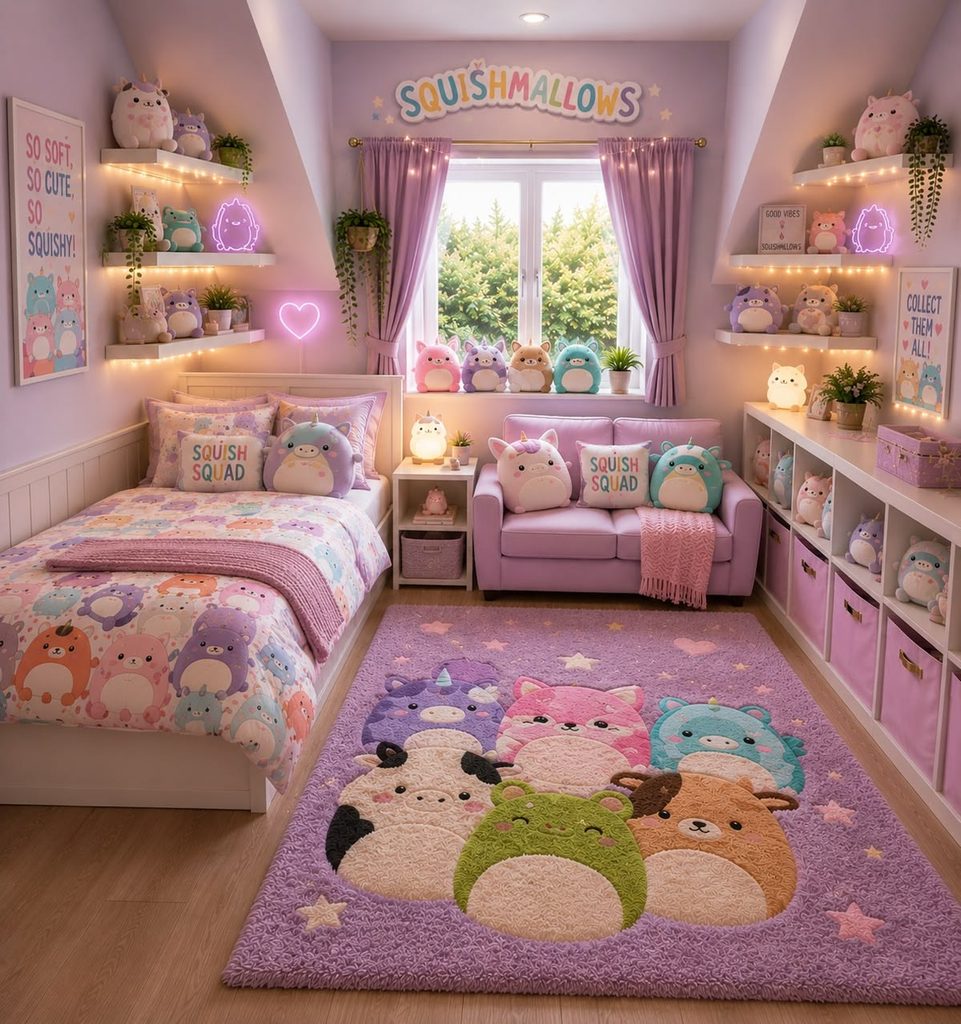
A calm, uncluttered room supports focus and calm in a way a busy, colorful room rarely can. Choose a neutral base for walls and large furniture, then add color through a few chosen items.
Balancing calm and personality matters throughout the whole room, as The Complete Guide to Creating a Fun but Functional Kids’ Room explains.
Limit wall decor to a few meaningful pieces, like a favorite print or a simple piece of art. Avoid overly busy patterns on bedding, rugs, and curtains, since visual noise can overstimulate a young child.
Keep the floor clear of unnecessary furniture, so there is open space for movement and floor-based play.
A calm room does not mean a boring one, since warmth comes from texture, light, and thoughtful choices. A soft rug or a warm lamp can add plenty of feeling without adding clutter.
Review the room regularly, removing items that no longer serve a clear purpose or bring genuine joy. A quick seasonal check keeps the room aligned with your child’s current stage and interests.
A simplified space helps children settle more easily and focus more fully on whatever they choose to do. Less visual noise around them often means a little less mental noise in their thinking too.

Apply These Ideas in a Small Bedroom
Montessori principles work especially well in small rooms, since the approach favors fewer, more purposeful items anyway. For small-space layout ideas, see How to Make a Small Kids’ Bedroom Feel Bigger and More Functional.
A floor bed pushed into a corner frees up floor space for a small rug and a shelf.
Choose multi-purpose furniture, like a low bench that doubles as seating and storage for a few toys. Keep the toy rotation especially tight in a small room, showing only a handful of items at once.
Wall-mounted shelves and hooks keep the floor clear, which matters even more in a tight space.
A small room forces useful discipline about what stays visible and what gets stored elsewhere. This constraint often results in a calmer, more functional room than a larger space with too many options.
Limits, in this small case, quietly do a lot of the organizing work for you. Small does not mean less capable, since a well-edited tiny room can support real independence beautifully.
Some of the most functional Montessori rooms belong to families with very little square footage.

Adapt the Approach for a Shared Bedroom
Siblings can each enjoy Montessori-style independence within a shared room, with a few thoughtful adjustments. For guidance on shared spaces generally, read What Every Parent Should Know Before Designing a Shared Kids’ Bedroom.
Give each child their own low shelf and personal storage area within their part of the room.
Match storage height to each child’s size, since siblings of different ages need different reach points. A shared low table can work if activities are staggered, or if each child has a labeled tray.
Keep shared toys on a central shelf, with clear expectations about turns and putting items back.
Respect that older children may need slightly more complex activities than a younger sibling in the same room. Involve both children in setting up and maintaining their spaces, which builds cooperation as well as independence.
A shared room built this way teaches children to respect both their own space and each other’s. That early lesson in boundaries tends to serve siblings well long after they share a room.
It also reduces the daily referee role that many parents unknowingly take on between siblings.

Encourage Independence With Simple House Rules
Independence grows fastest within a clear, predictable structure, not within a room with no rules at all. Set a few simple expectations, like returning one activity before choosing another from the shelf.
Keep rules few and consistent, since children thrive on predictability rather than a long list of restrictions.
Involve your child in creating the rules, since their input builds ownership and makes rules easier to follow. Use visual reminders, like a simple picture chart, for children who are not yet reading fluently.
Praise the process of trying, not just the final result, since effort matters more at this age.
Expect a few setbacks, since independence grows in small steps rather than one smooth transformation. Stay patient and consistent, since children need repeated practice before a new habit becomes automatic and easy.
Most habits take several weeks of steady repetition before they finally feel natural and effortless. Over weeks and months, these simple rules quietly build a child who manages more of their world alone.
Parents often notice fewer power struggles once expectations feel clear and consistent every single day.

Support Reading Independence in the Same Spirit
A reading corner fits naturally into a Montessori-inspired room, supporting the same values of access and choice. For detailed ideas, see How to Create a Reading Corner Your Child Will Actually Want to Use. Keep books low, with covers facing outward, so your child can choose a story without asking for help.
A soft cushion or a small chair nearby invites your child to sit and read whenever they choose. A small lamp nearby also helps, since good light makes longer reading sessions more comfortable.
Rotate the book selection regularly, keeping only a manageable number visible at any one time. Let your child return each book to its spot when they finish, building the same order habits used elsewhere.
This approach turns reading into another area where your child practices real, independent choice-making daily. Over time, a well-designed reading corner becomes one of the most peaceful spots in the whole room.
Independence in reading often spreads into a genuine, lasting love of books and quiet time. Children who choose their own stories tend to stick with reading longer than those who are simply handed one.

Involve Your Child in Maintaining the Room
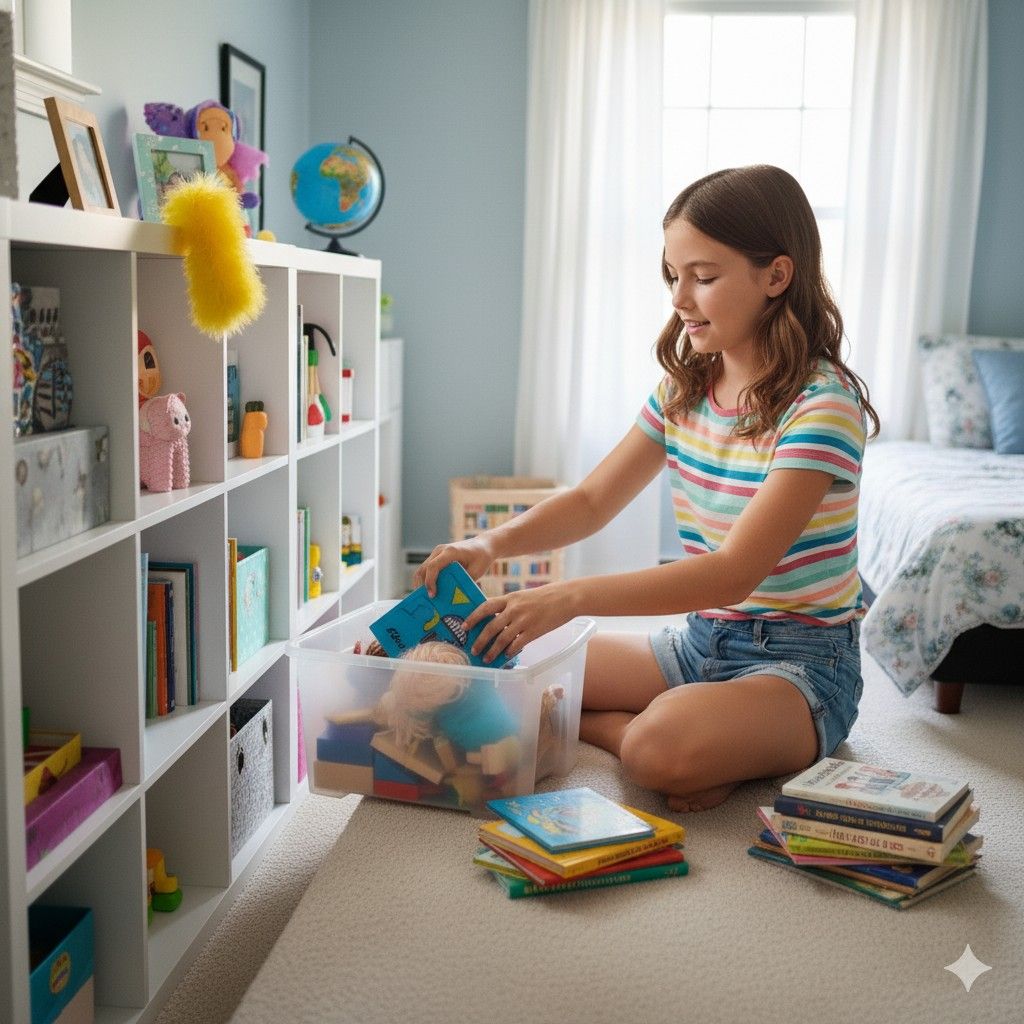
A Montessori-inspired room stays organized only when your child takes part in caring for it regularly. Teach simple tasks, like wiping a spill, folding a blanket, or watering a small plant on the shelf.
Keep cleaning tools, like a small broom or a cloth, sized and stored where your child can reach them.
Model tasks slowly at first, narrating each step, then invite your child to try alongside you. Praise the effort and the process, since perfection is far less important than genuine participation and pride.
Over time, hand over more responsibility, letting your child manage more of the room independently.
This daily involvement reinforces every other change made in the room, from low shelves to floor beds. Without this piece, even the best-designed room can slowly slide back into its old habits.
A child who helps care for their space develops a real sense of ownership and responsibility. These small daily habits build skills that extend well beyond the bedroom and into the rest of life.
A child who wipes a spill without being asked often shows that same initiative elsewhere too.
Make Gradual Changes Instead of a Full Overhaul
You do not need to change everything at once, and gradual updates often work better anyway. Start with one change, like lowering a shelf or adding a floor bed, and watch how your child responds.
Give each change a few weeks before deciding if it needs more adjustment or a different approach.
This gradual approach also protects your budget, since most changes cost little more than time and rearranging. Reuse furniture you already own wherever possible, adjusting height and placement rather than buying everything new.
Ask your child for feedback along the way, since their reactions often guide the next useful change.
A slow, thoughtful process also reduces stress for you, since a full overhaul in one weekend rarely feels sustainable. Celebrate small wins, like a child dressing themselves for the first time, as proof the approach works.
These moments matter far more than any photo of a perfectly styled, magazine-ready bedroom online. Over months, these gradual shifts add up to a room that genuinely supports your child’s growing independence.
Patience during this slow process pays off far more than rushing toward a finished look.

Wrapping Up
A Montessori-inspired kids’ room comes from height, order, and access, not from an expensive redesign or new furniture.
Lower the closet, bring the bed to the floor, and set up open shelves your child can actually reach. Add a small table, personal care access, and calm decor to round out the approach fully.
These ideas adapt well to small rooms and shared bedrooms, and they grow alongside your child’s changing needs. The same core principles apply well to a two-year-old and to a child nearing ten.
Involve your child in maintaining the space, and make changes gradually rather than all at once. The reward is a child who reaches, chooses, and tidies with less help from you every single week.
That kind of independence does not happen by accident, and it rarely comes from a room built only for adults. It comes from dozens of small, deliberate choices repeated over a long stretch of time.
Start with one small change this week, like a lowered shelf or an accessible drawer. Watch closely, and you will likely see your child reach for it, and for their own growing confidence.
That confidence, once it takes hold, tends to show up in places far beyond the bedroom.