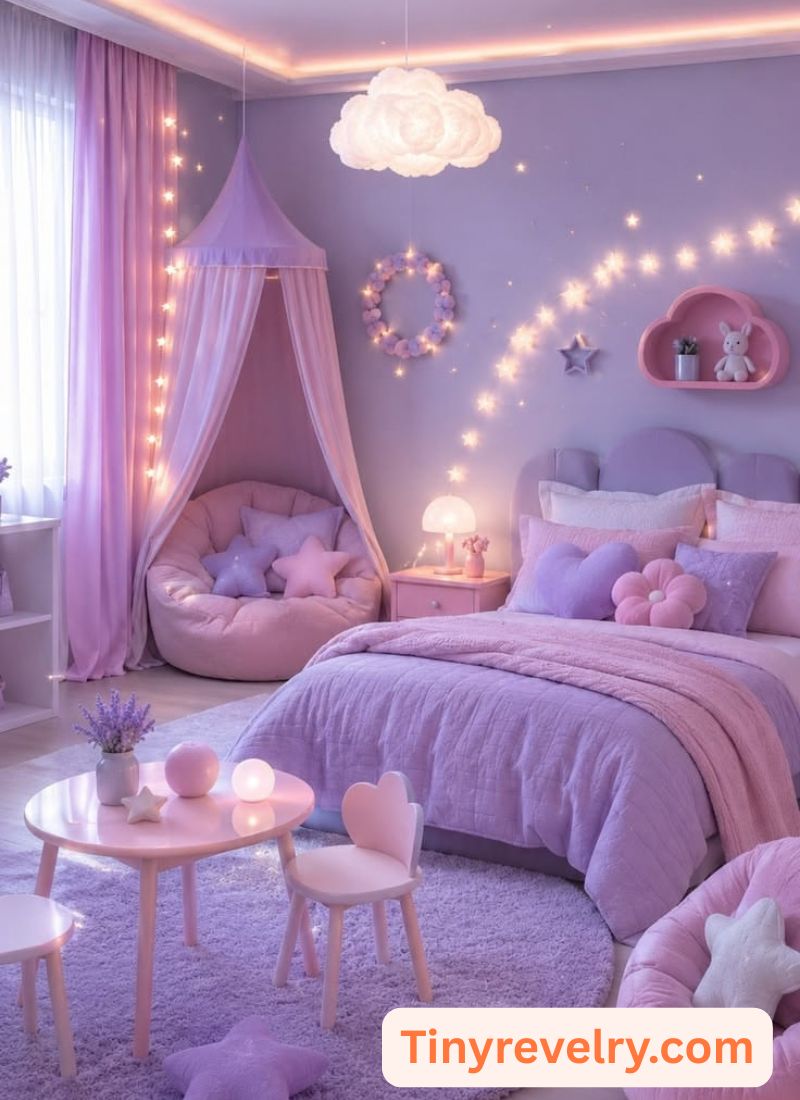
Kids enjoy their bedroom when it’s neat and decorated with their favorite color, which makes it feel theirs. But children grow fast, and a room that suits a four-year-old rarely works for a ten-year-old. Many parents redecorate every two or three years, and the costs add up faster than expected.
A smarter plan is to design the room once, with growth built into every choice. A bedroom shapes sleep, focus, and confidence, so the decisions you make now matter for years. Storage often fails first, so see How to Organize a Kids’ Room When There Is Barely Any Storage for help.
This guide shows how to build a room that adapts from toddler years to the teenage stage. You will not need a full makeover every time your child hits a new stage.

How to Design a Kids’ Bedroom That Grows With Your Child
Why Designing for Growth Saves Money
Children outgrow furniture, themes, and even room layouts much faster than most adults ever expect them to. A cartoon bed that thrilled a toddler can embarrass the same child at age eight.
Replacing everything each time costs money, takes weekends, and creates a pile of unwanted furniture.
Growth-friendly design flips that pattern by spending more on a few lasting pieces right at the start. Then you change only the cheap items, like bedding, wall art, and lamps, as tastes shift.
Over ten years, this approach usually costs far less than redecorating from scratch every few years.
It also reduces waste, which matters when children’s furniture often ends up in landfill after just a few years. Parents who plan this way also feel less pressure to chase every new trend in kids’ decor.
A steady plan keeps the budget calm and the room looking fresh for many years. Planning ahead also lets you enjoy the room more, since fewer surprises mean fewer rushed decisions.
Think of the room as a long-term project with a few small updates along the way.

Start With a Calm, Neutral Base
The biggest surfaces in the room should stay simple, because they are the hardest and most expensive to change. Walls, flooring, curtains, and large furniture make up the base layer of any bedroom design.
Soft whites, warm grays, pale woods, and gentle beiges work well because they pair with almost any color.
A neutral base also helps a child sleep, since loud patterns and dark shades can feel busy at night. This does not mean the room has to look boring, cold, or lifeless to work.
Texture adds warmth without adding color, so try woven baskets, cotton rugs, and wooden shelves.
You can then layer in your child’s favorite shades through items that are simple to swap later. For more on balancing style and practicality, read The Complete Guide to Creating a Fun but Functional Kids’ Room.
A neutral base gives every later design decision a steady and flexible backdrop to build on.
Paint is cheap, but repainting a dark accent wall every two years gets old very fast. Choose washable, matte finishes because kids will touch, scuff, and draw on the walls at some point.
Let Color Live in Easy-to-Change Items
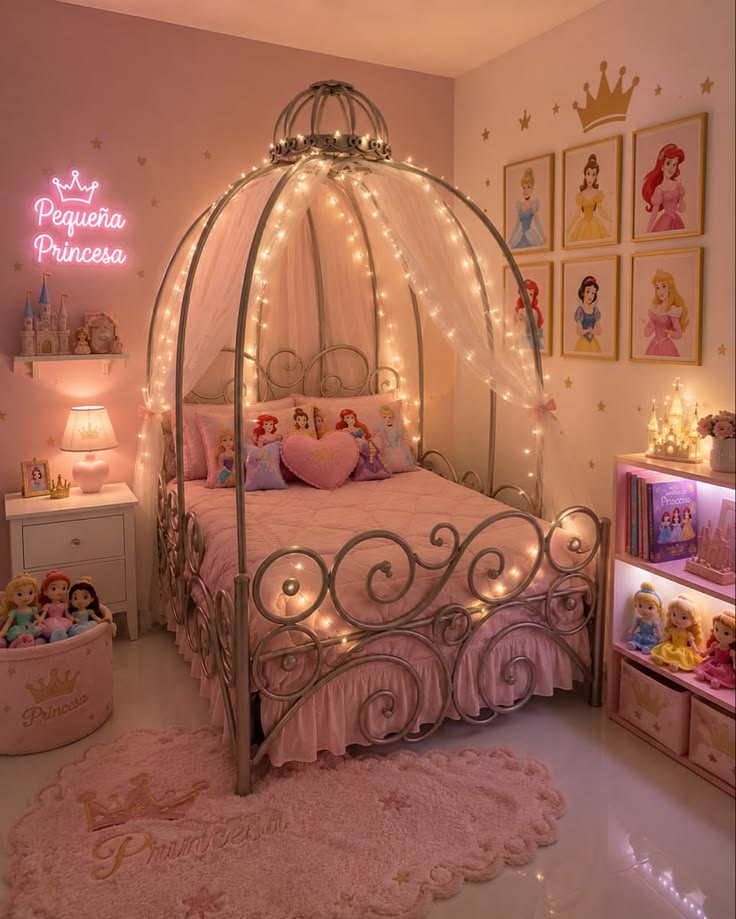
Children love color, and a room with no personality will not feel like their own space. The trick is to keep bold shades in items that cost little and take minutes to replace.
Bedding, pillows, curtains, rugs, lamp shades, and framed prints all carry color without any long-term commitment.
My niece once insisted on a purple bedroom at age five, and by seven she wanted only green. Her parents had used purple bedding and a purple rug, so the switch took one afternoon.
Nobody had to touch a paint roller or rebuild a single piece of furniture in the room.
Ask your child to pick two or three favorite colors and repeat them lightly around the room. A little repetition ties the space together and makes it look planned instead of random.
Removable wall decals and peel-and-stick wallpaper also work well for younger kids who love themes.
They come off cleanly, and you can replace them when a new obsession takes over. This way your child gets the excitement of a personalized room without a permanent price tag.
Rotating these items with the seasons also keeps the room lively without much cost or effort.

Choose a Bed Your Child Will Not Outgrow
The bed is the largest piece in the room, so it should be the first big purchase you think about. Many parents buy a toddler bed, then a twin, then a larger frame, paying three times for one need.
Starting with a sturdy twin frame skips one full round of spending and works for most school-age years.
If your child is very young, add a removable rail to keep them safe at night. Pick a simple frame in solid wood or metal, with clean lines and no character themes. A plain frame looks right at age four and still looks right at age fourteen.
Some families choose a bed with built-in drawers underneath, which adds storage without using any floor space. Others prefer a loft or bunk style that frees the area below for play or study.
Check the weight limit and the height of the guardrails before buying, especially for a raised bed.
Good mattresses matter too, because growing bodies need steady support to sleep well every single night. A firm, quality mattress can move with your child from early childhood into the teen years.
A bed that feels safe and comfortable also encourages your child to enjoy bedtime more.

Pick Furniture That Adjusts Over Time
Adjustable furniture is the secret weapon of any bedroom that must last a full decade. Desks with height settings, chairs with movable seats, and shelves with shifting brackets all stretch to fit a growing body.
One well-made piece can easily replace three or four cheaper ones bought across the years.
Look for a desk that raises in small steps, so it fits a six-year-old and a twelve-year-old. Pair it with a chair that lets you change both seat height and backrest angle.
Proper posture at a young age helps prevent aches and keeps homework sessions more comfortable.
Open shelving with adjustable shelves also grows well, since you can space them for picture books now and binders later.
Solid wood and quality laminate hold up better than thin particle board that chips or swells. Read reviews from other parents before you buy, because kids often treat furniture quite roughly.
Cheap furniture tends to loosen at the screws within a year or two of daily use. Spending a little more on stable pieces means you will not replace them when the wobbling starts.

Plan the Layout Around Zones
A good bedroom has clear zones for sleeping, playing, studying, and storing, each with its own purpose. When each zone has a purpose, the room stays tidy and your child knows where everything belongs.
Draw a simple sketch on paper before moving any furniture, and mark the door, window, and outlets.
The sleeping zone should sit well away from the door and any noisy hallway wall. Keep the play zone near the center or an open corner, where floor space is easy to clear. Place the study zone near natural light, since windows help with focus during the day.
Small rooms need extra care, so read How to Make a Small Kids’ Bedroom Feel Bigger and More Functional. Leave a clear walking path from the door to each zone, at least the width of a small rug.
Avoid pushing every piece against the walls, because a wide empty middle can feel awkward and unused. Instead, float a bookcase or low unit to divide zones softly when the room is large.
Good zoning lets the room change purpose later on without moving every single item around. Recheck the layout each year, since a room that worked at six may feel tight later.

Build Storage That Changes With Age
Storage needs shift every few years, so the whole system should bend without ever breaking. A toddler needs low, open bins for blocks and stuffed animals that are easy to reach.
A ten-year-old needs sturdy shelves for books, hobby gear, and collections that keep on growing.
Choose cube shelves, because you can swap bins, baskets, and doors as your needs evolve. Bins work best when they hold one type of item and carry a picture or word label.
Younger children can match pictures, and older ones can read the labels and put things back alone.
Keep heavy items low and light items high, so small hands never pull something dangerous down. Add hooks at your child’s height for coats, backpacks, dressing gowns, and other daily items.
Hooks work better than hangers for most kids, since hanging takes effort while hooking takes seconds.
For toy-heavy rooms, How to Organize Toys So Kids Can Actually Find What They Want offers a clear, workable system.
Review the storage every six months, and remove outgrown items before they clutter the space again. A small monthly reset keeps the room manageable and the whole habit simple to maintain.

Give Toys a Place Without Letting Them Take Over
Toys multiply quickly, and a room that holds them all at once soon feels crowded and stressful. The best fix is to keep only a portion of the toys in the bedroom at any time. Store the rest in a closet or garage bin, then rotate them every few weeks.
Rotation makes old toys feel new, and it cuts the time your child spends dumping everything out. It also helps kids focus, since fewer choices lead to deeper and much longer play. Set a limit for the room, such as two bins, and let that limit guide what stays.
When a new toy arrives, ask your child to pick one older toy to donate or store. This teaches a simple lesson about space and gives the toy a second life elsewhere.
Many families also keep the main play area in a shared living space downstairs instead.
For a fuller plan, read The Best Way to Create a Playroom Without Filling Your Home With Toys. A bedroom should feel calm at bedtime, and too many toys make it hard to relax.
Keeping play items to a minimum helps your child wind down and fall asleep faster.

Set Up a Reading Spot Early
A reading spot costs very little, but it can shape your child’s habits for many years. Start with a soft rug, a few cushions, and a low shelf where covers face outward. Kids often pick books by their covers, so a front-facing display invites them to explore.
A warm lamp or a bright window nearby makes the nook feel welcoming and protects young eyes. Keep the spot away from the desk, so your child links it with rest instead of homework.
As your child grows, swap the floor cushions for a beanbag, then a small armchair.
The shelf can shift from picture books to chapter books without any change to the setup. Pick a spot that feels tucked away, since a little privacy makes a corner feel special. Even a simple curtain or a tall plant can create that cozy, enclosed effect nicely.
For more detailed ideas, see How to Create a Reading Corner Your Child Will Actually Want to Use. Sit down and read together there often, because shared time makes the corner a happy place. A child who loves that spot at five will still return to it at twelve.
Prepare a Desk Area for the School Years
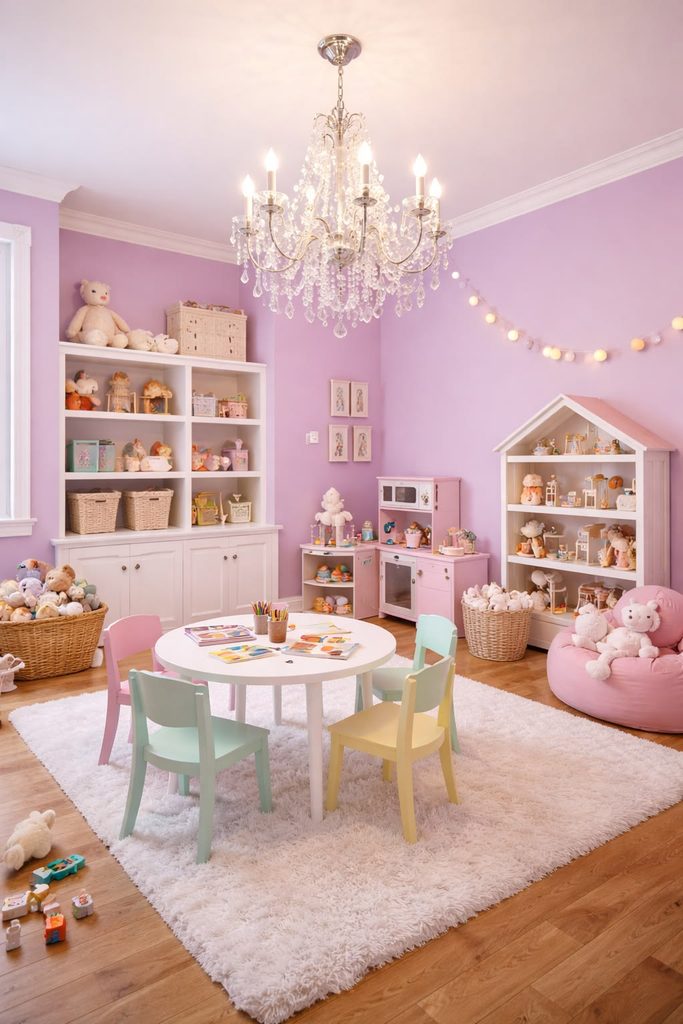
Your child may not need a desk right now, but planning space for one saves trouble later. Leave a wall or a corner clear, and let it serve as a play table until homework begins.
My sister did exactly this with her son, using a small craft table that later became his desk.
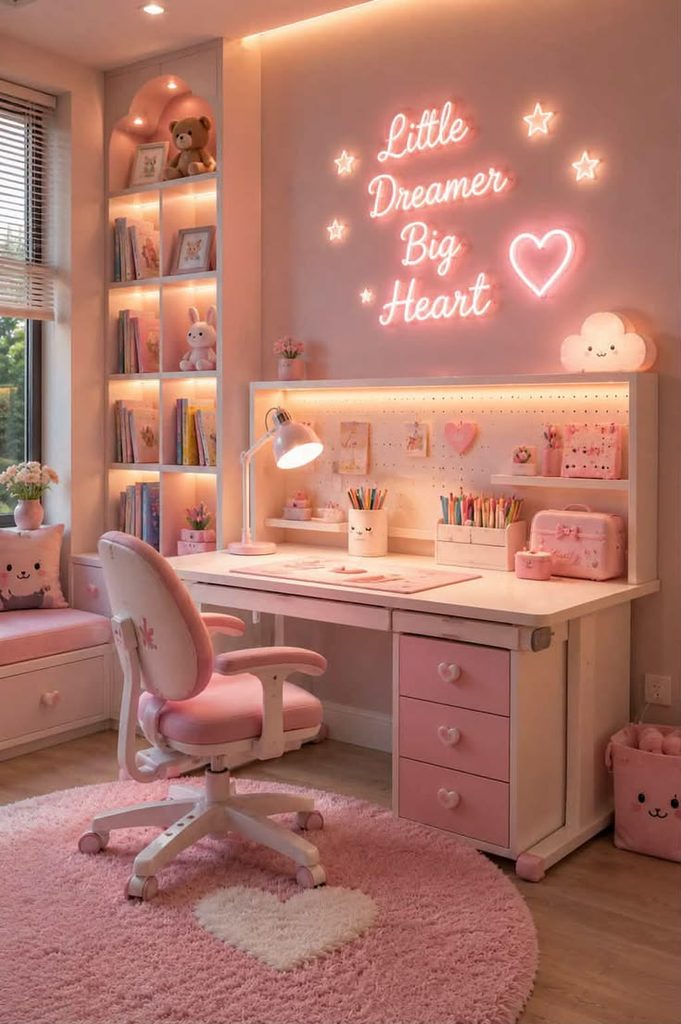
By the time school assignments piled up, the space, the outlet, and the lamp were already there. Homework goes better in a spot with good light, a comfortable chair, and few distractions.
Face the desk toward a wall or a window with a calm view, not toward the toys.
Keep supplies within reach in a small tray or drawer, so your child does not wander around searching. A corkboard or a whiteboard above the desk helps with reminders, drawings, and weekly schedules.
Older kids will also need enough room for a laptop, a charger, and a tablet.
Plan for cable management early, using clips or a small box to hide the wires. To go deeper on this topic, read How to Create a Kids’ Study Space That Encourages Better Focus.
A well-planned desk zone turns homework from a daily battle into a calm, steady routine.
Make Room for Independence
Children want to do things on their own, and the room should let them succeed at it. Low hooks, open shelves, and light drawers allow even young kids to dress and tidy without asking.
Every small task they finish alone builds confidence and gives you a little breathing space.
Place clothes for the week in a bottom drawer, so your child can choose an outfit easily. Store shoes near the door and keep a small hamper within reach of the bed.
A step stool by the sink or wardrobe also helps smaller children reach more things safely.
This approach borrows from child-led learning, explained well in How to Create a Montessori-Inspired Kids’ Room Without Redoing Everything.
You do not need to buy special furniture or throw away your current items to try it.
Small changes in height and access often create a big difference in your daily routines. Kids who can reach their own belongings usually make fewer messes and ask for less help.
Let your child practice small routines, like choosing pajamas or putting books back on the shelf. Independence also grows naturally when the room feels safe, calm, and easy to use daily.
Think About Siblings and Sharing
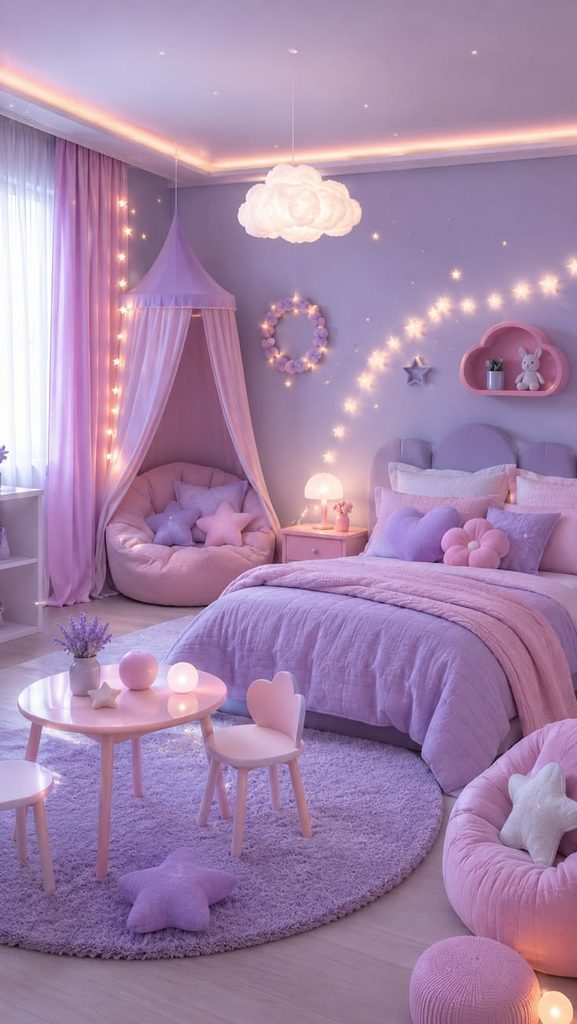
Many children share a room at some point, and the design should allow for it from the start. Choose furniture that can split into two sets, such as a bunk bed that separates into twin beds.
Pick a layout where each child has a clear zone with a bed, shelf, and drawer.
Privacy matters even for young kids, so give each child a small area that belongs only to them. A curtain, a bookcase, or a colored rug can mark each side of the room softly. Let each child choose one item to display, such as a poster, a lamp, or a blanket.
Sharing works best when the rules are simple, clear, and set up before problems begin. If a second child may join later, read What Every Parent Should Know Before Designing a Shared Kids‘ Bedroom.
Leave floor space open, so a second bed or desk can fit without a full rearrangement.
Neutral walls and a flexible layout also help, since boy and girl siblings may want different styles. When each child feels heard, shared rooms become places of closeness instead of daily conflict.

Choose Lighting You Can Adjust
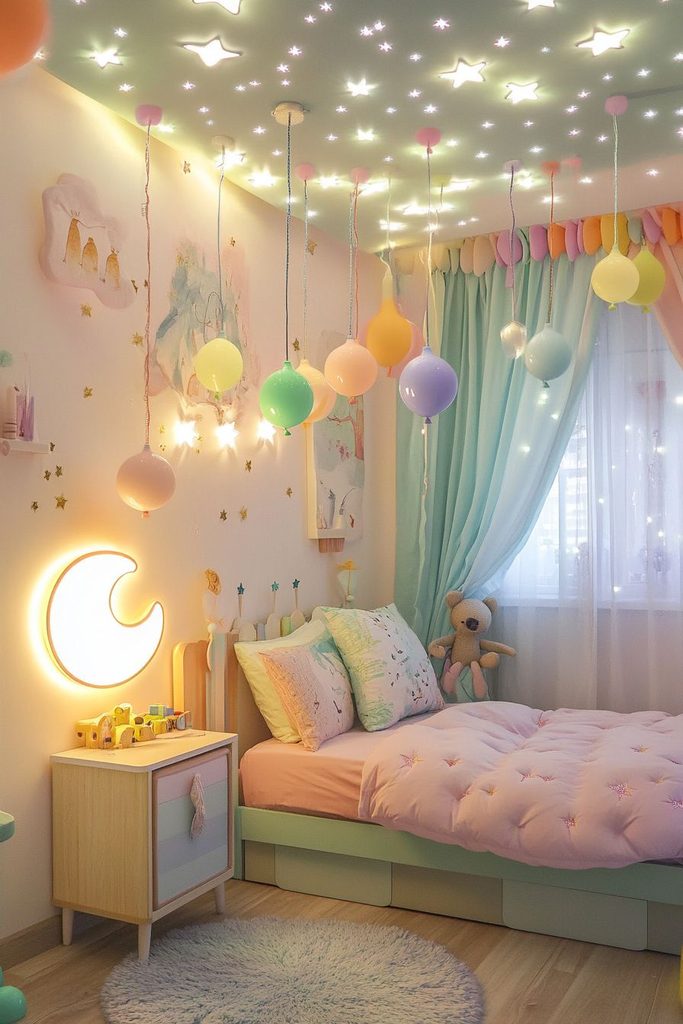
Lighting changes how a room feels, and kids need different types of light throughout the day. Bright, cool light helps with reading and homework, while warm, soft light helps with sleep.
A single overhead bulb cannot do both jobs well, so plan for a few different light sources.
Layer the lighting with a ceiling light, a desk lamp, and a soft bedside light. Add dimmer switches or smart bulbs, so you can lower the brightness in the evening without any effort.
A nightlight can comfort younger children who dislike the dark, and you can remove it later.
Choose lamps with sturdy bases that will not tip over during rough or excited play. Keep cords tucked behind furniture and well out of reach for toddlers and curious pets.
Natural light matters too, so avoid blocking the window with tall furniture or heavy curtains.
Blackout curtains or blinds help kids sleep in summer, when the sun rises very early. Pick a style that pulls up easily, so older children can handle it all by themselves.
Good lighting protects eyes, supports sleep, and makes every part of the room more useful. Warm bulbs in the evening also tell a child’s body that it is nearly time for sleep.
Pick Durable, Easy-to-Clean Materials
Kids are hard on rooms, so every material should stand up to spills, scuffs, and rough play. Choose washable fabrics for bedding, curtains, and rugs, and check the care labels carefully before buying.
Removable, machine-washable covers save time and stress, especially on cushions, rugs, and beanbags in a busy home.
Solid wood and metal furniture usually hold up better than soft plastic or thin veneers. Rounded corners and smooth edges also protect children who run, jump, and roll around freely.
For flooring, hard surfaces with a washable rug are easier to keep clean than wall-to-wall carpet.
Low-pile or flat-weave rugs are simple to vacuum and still feel soft under small feet. Check that paint and finishes are low in fumes, since children spend many hours in the room.
Look for labels that mention safe or child-friendly materials, and let the room air out after painting.
Secure tall furniture to the wall, because bookcases and dressers can tip when children climb them. Simple wall anchors cost very little and give parents real peace of mind at night.
A durable room stays looking good for longer and keeps everyday cleaning quick and stress-free. Wipe-clean surfaces on desks and shelves also spare you from scrubbing marker stains every single week.

Let Your Child Help Decide
Children care much more about a room when they have helped to build it themselves. Ask for their opinion on colors, themes, and layout, but give them a few choices instead of open questions.
A neighbor let her daughter choose between three rug options, and the girl kept that rug clean for years.
Choice gives kids pride and a sense of ownership that no shopping trip can match. Let them help arrange books, hang pictures, or pick a basket for their stuffed animals.
Even small jobs teach them how the room works and why each item has a place.
Listen when your child says something does not work, since they live in the room every day. A shelf that is too high or a lamp that is too dim may cause daily frustration.
Your child may not explain it well, but their behavior often shows the problem clearly.
Older kids can take on bigger choices, like picking the desk style or the wall color. Involving them early means fewer arguments later, and it makes your design plan last longer.
Praise their ideas warmly, even when you cannot use every single one in the final plan.

Review and Update Every Year
Even the best plan needs a quick checkup once a year, often around a birthday or the new school term. Walk through the room with your child and ask what they love, what bugs them, and what they never use.
Their answers will point to small changes that keep the room working well for years.
Remove toys, clothes, and books that no longer fit your child’s current age or interests. Move furniture if the layout feels cramped, and adjust the desk or shelf heights as needed.
Check for wear, loose screws, or safety risks like frayed cords and unstable, wobbly shelves.
Refresh one or two items each year, such as bedding or wall art, to keep the room feeling alive. This small routine avoids a big overhaul and keeps the space in step with your growing child.
Keep a short note of what you change, so you can track how the room evolves.
Yearly reviews take about an hour and prevent the buildup of clutter and outdated pieces. They also show your child that a room is something to care for and shape over time.
Take a few photos each year, because they show how much the room and child have changed.
Wrapping Up
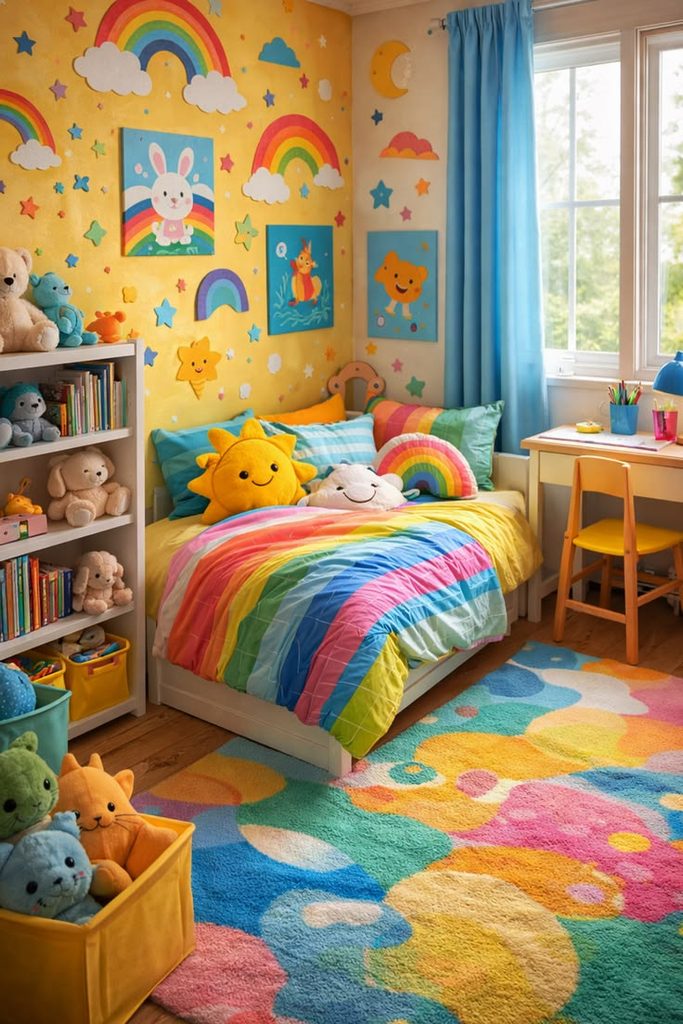
A kids’ bedroom that grows with your child starts with a calm base, flexible furniture, and clear zones. Keep color in easy items, choose a bed that lasts, and build storage that adapts over the years.
These choices cost a bit more thought now but save time, money, and stress later.
The best rooms also reflect the child who lives in them, so invite their input and listen closely. A neat space with their favorite color gives them pride, comfort, and a reason to enjoy their bedroom.
Plan for reading, study, sharing, and independence, and the room will serve them from toddler years to teens.
Review the room once a year, make small changes, and let the design evolve at a steady pace. You will avoid big makeovers and keep the space fresh, safe, and useful for a long time.
Start with one change this week, and let the rest of the plan follow at your own speed.

