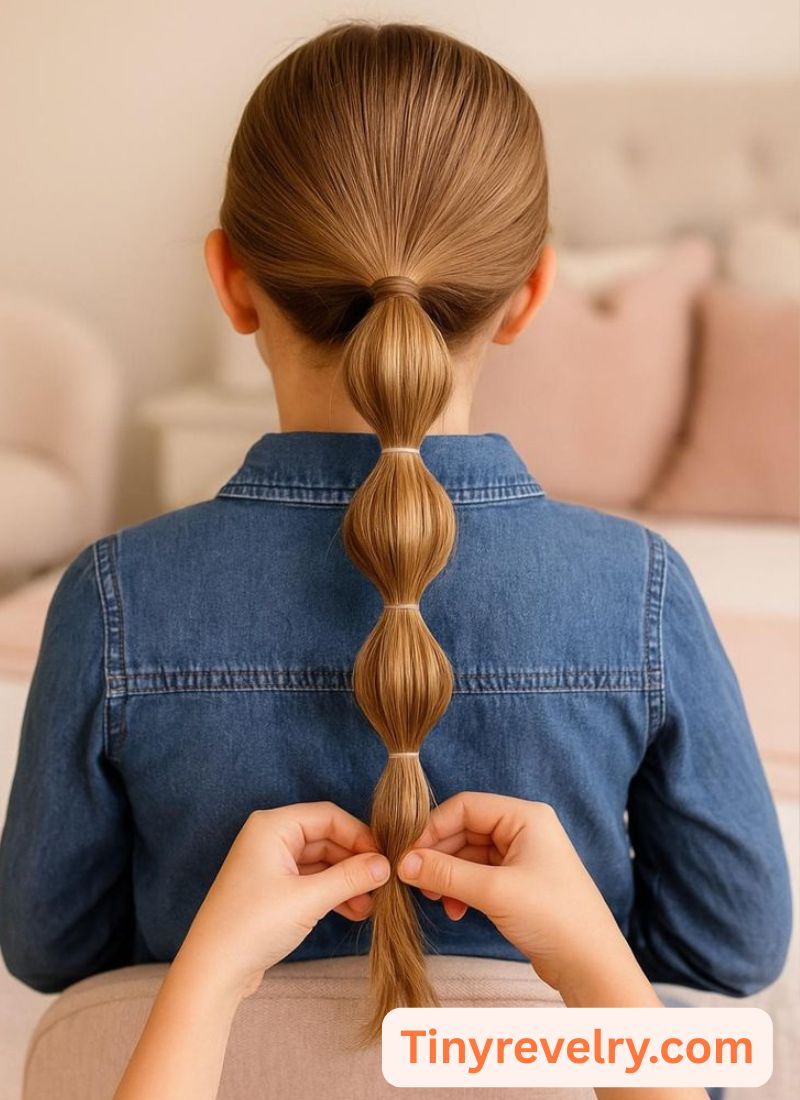
The fact that your child loves a particular hairstyle is not enough reason to let her wear it. There are some things to consider before choosing protective hairstyles for kids. Most parents skip right past these points without realizing it. That oversight often leads to problems nobody expected.
Most parents only learn these lessons after their child has already gone through a rough style. A little research beforehand spares both of you that experience. A style can look beautiful in photos but still cause real problems once it is actually installed. Photos never show tightness, scalp pain, or how the style feels after hours of wear.
Hair length also plays a role in what works well. The Ultimate Guide to Choosing Hairstyles for Different Kids’ Hair Lengths is worth reading alongside this post. Before you say yes to any style, walk through the points below first. They will save you from regret a few weeks down the line. None of these checks take much time, but they matter a great deal. A few minutes of care now can prevent weeks of discomfort later.
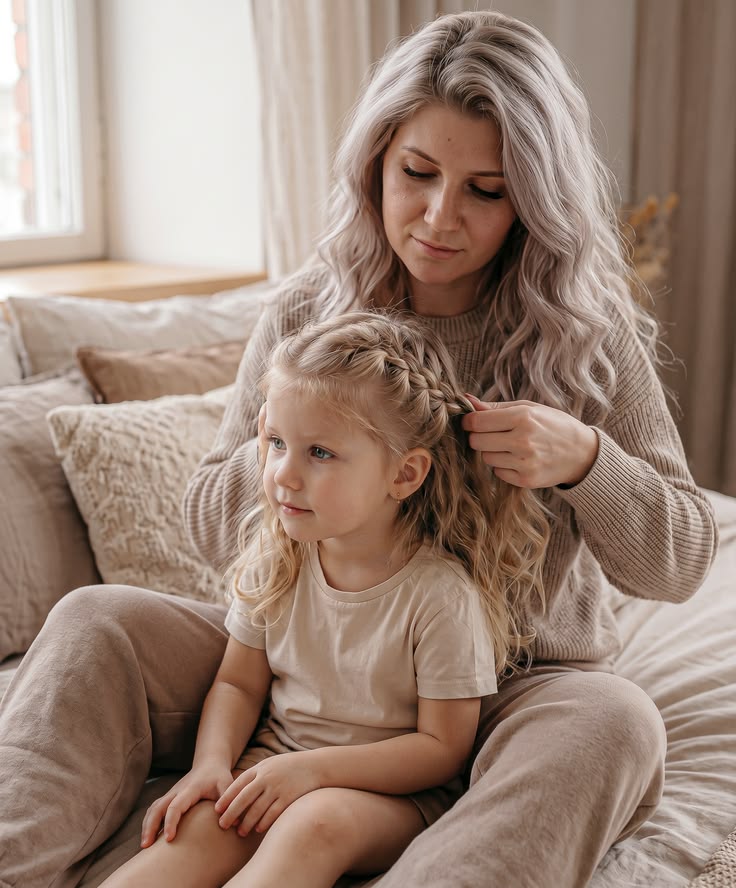
What Every Parent Should Know Before Choosing Protective Hairstyles for Kids
What Makes a Hairstyle “Protective” in the First Place
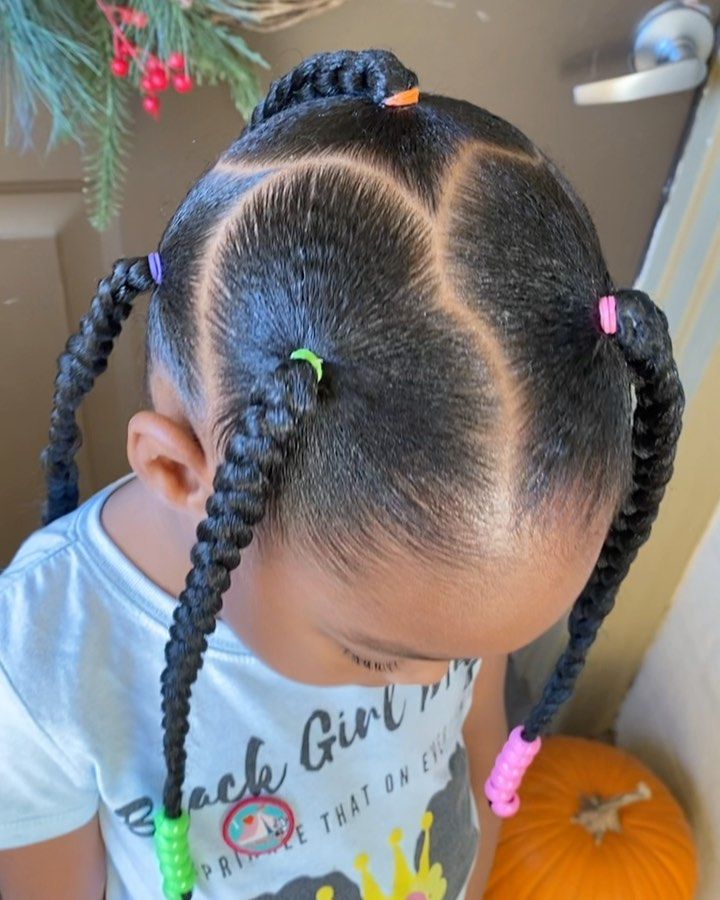
Protective styles are meant to shield hair from daily damage, like heat, friction, and constant handling. Braids, twists, and cornrows fall under this category most often.
The goal is healthier hair over time, not just a nice look for a few days. Real protection means less daily combing, pulling, and heat exposure for growing hair. Fewer daily disruptions give strands time to rest and grow stronger.
A style only counts as protective if it is done correctly, though. Done poorly, the same style can cause more damage than it prevents.
Tension, poor sectioning, or the wrong products can all undo the benefits a protective style is meant to offer.
Understanding this difference helps you judge any hairstyle properly. Do not assume every braided style is automatically good for your child’s hair.
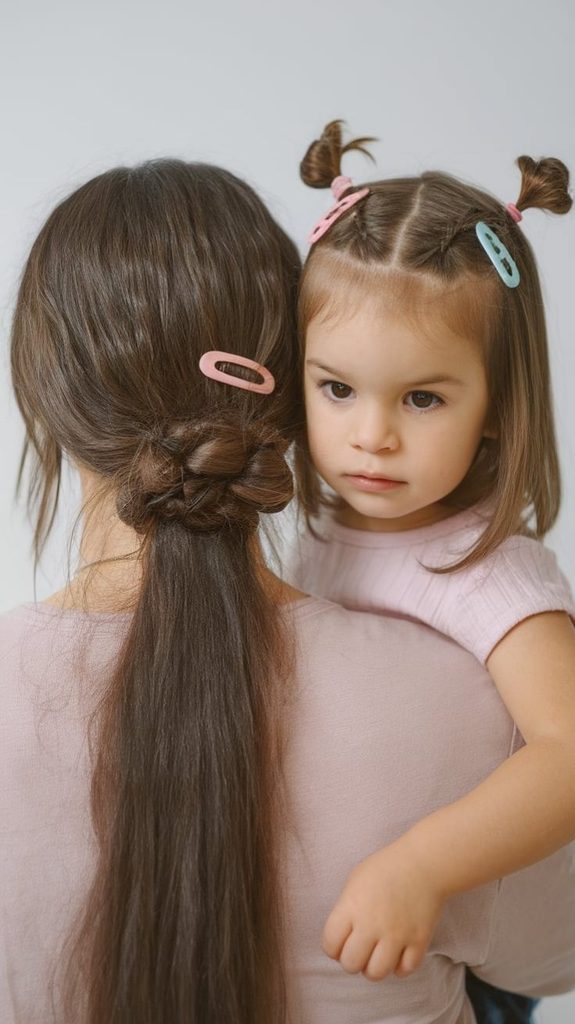
Check How Tight the Style Actually Is
Tightness is one of the biggest issues with kids’ protective styles. A style pulled too tight can cause pain, headaches, and even hair loss along the hairline. This kind of hair loss can take months to fully grow back.
Run your finger along the parts and edges after installation. This quick check takes less than a minute but tells you a lot. Make it part of your normal routine after every new style installation.
If the scalp looks raised or your child winces when touched, the style is too tight. A tight style rarely loosens on its own, so waiting it out is not a solution. The sooner it gets addressed, the sooner your child feels relief.
A proper protective style should feel snug, not painful. Snug means secure without pulling, while painful means something needs fixing right away. Learning to tell the two apart takes a little practice at first.
Never assume a stylist got it right just because the finished look appears neat and tidy from the outside. Appearance and actual comfort are two completely different things. A style can look flawless in a mirror and still feel awful underneath.
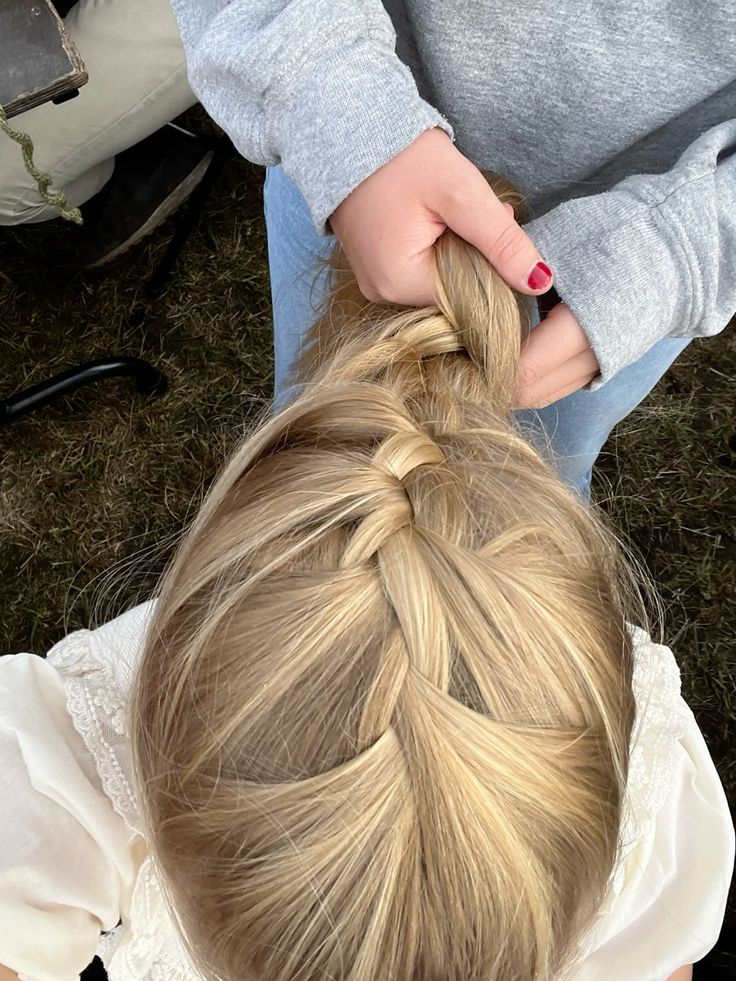
Think About Your Child’s Scalp Sensitivity
Every child’s scalp reacts differently to styling, so what works for one child may not suit another. Some kids have naturally sensitive scalps that react badly to tight styles or added extensions.
Watch for redness, bumps, or flaking after a new style goes in. These small signs are easy to miss if you are not specifically looking for them. A quick daily check trains your eye to catch them faster over time.
These signs often show up within the first day or two. Checking the scalp daily during this window catches problems before they get worse. A quick daily glance is often all it takes.
This tiny habit protects your child far more than it costs you in time. If your child has a history of scalp sensitivity, mention it to your stylist before starting. This small conversation upfront can prevent a painful experience later.’
Stylists genuinely appreciate this information, since it helps them do better work. A good stylist adjusts their technique based on this information.
A skilled stylist never treats every child’s scalp the exact same way. Two children can have completely different reactions to the exact same technique.
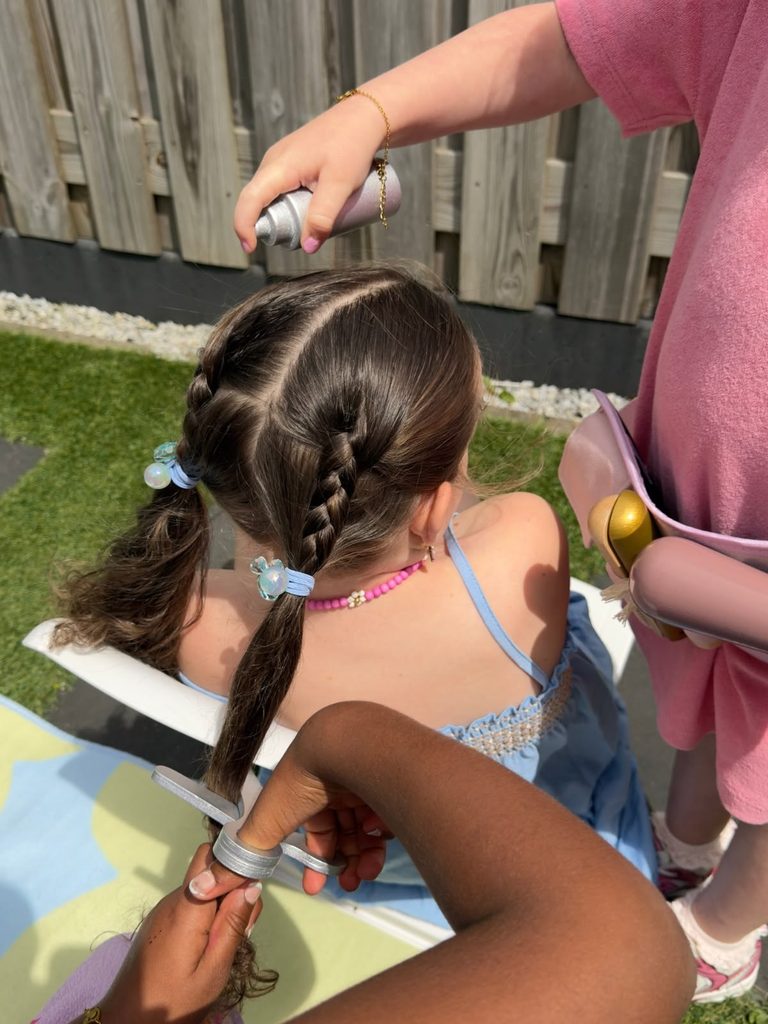
Consider How Long the Style Will Last
Protective styles can last anywhere from a few days to several weeks, depending on the type. Longer styles reduce daily styling time but also stay in place through more wear and tear.
That extra wear needs to be factored into your decision from the start. Skipping this step often leads to a style that frays or loosens too soon. Think about your child’s activities during that period, like sports, swimming, or school events.
Each of these activities puts different kinds of stress on a protective style. Sweat, water, and constant movement all wear on hair differently over time.
A style meant to last six weeks might not hold up well through daily gym class or frequent swimming. Chlorine and sweat both speed up wear on most protective styles.
Rinsing hair after swimming can help, but it will not undo the extra strain entirely. Match the style’s expected lifespan to your child’s actual schedule. Do not pick a style based on appearance alone.
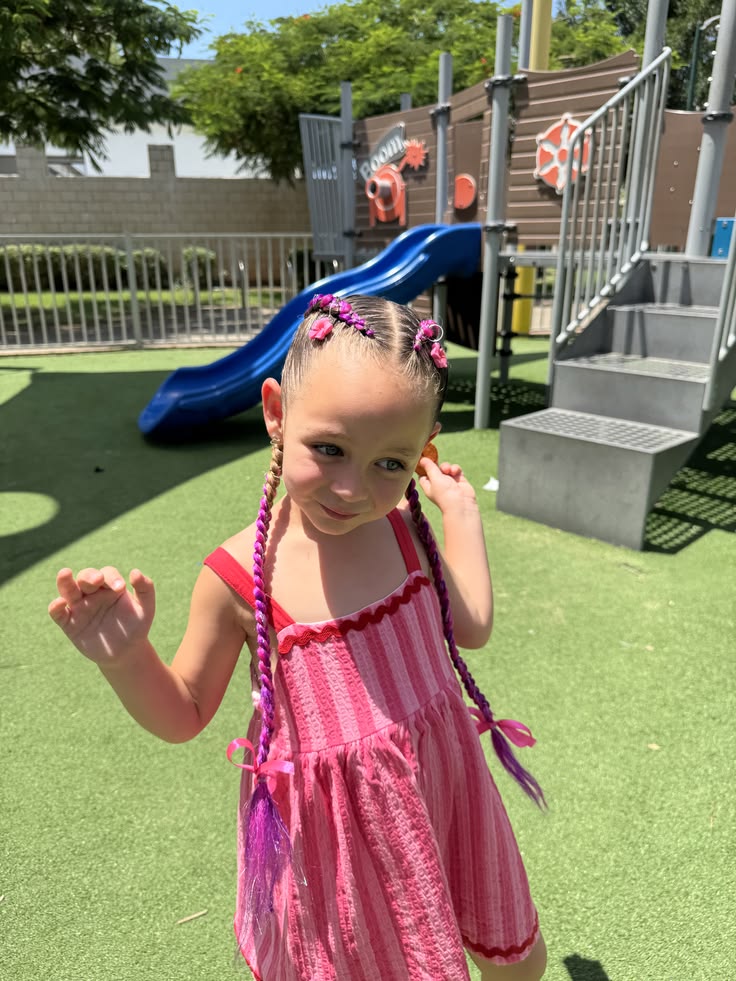
Match the Hairstyle to Your Child’s Activity Level
Active kids need styles that can handle movement without falling apart or causing pain. A style with heavy extensions might feel fine at rest but grow uncomfortable during hours of running and playing.
Think about how your child spends most of their day before settling on a style. A child who climbs, runs, or does sports needs a style built to keep up. A style built for a quiet, calm child rarely suits one who never sits still.
Lighter styles usually suit very active children better than heavier, more elaborate options. Weight matters more than most parents think when a child is constantly on the move.
A heavier style pulls at the roots more with every jump and turn. A beautiful style that cannot survive normal play ends up causing more frustration than joy.
That frustration usually falls on both the child and the parent. Nobody wins when a beautiful style turns into a daily source of tears.

Ask If Your Child Can Sleep Comfortably in It
Sleep comfort gets overlooked far too often when picking a protective style. A style that feels fine during the day can become painful once your child lies down at night.
Bulky styles or tight edges can press against the scalp for hours while sleeping. That pressure can lead to headaches or restless nights without anyone realizing why.
Ask your child directly how the style feels once they are lying down. Their answer at bedtime often reveals more than how the style looks during the day.
A child rarely lies about discomfort once the excitement of a new style has worn off. A silk or satin bonnet can help protect the style overnight.
It will not fix a style that was too tight to begin with. A bonnet protects the style from friction, not from an installation mistake. If the style was too tight going in, a bonnet will not change that.
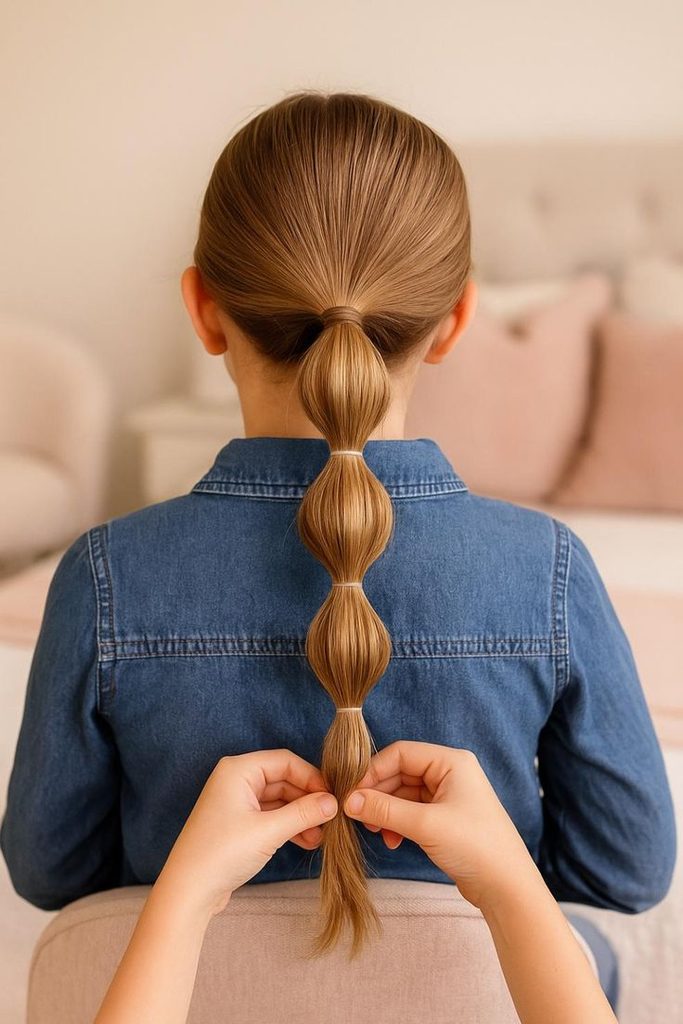
Think About Maintenance, Not Just the Big Reveal
Every protective style needs some upkeep to stay neat and healthy throughout its lifespan. Ask what daily or weekly care the style requires before committing to it. Knowing this early helps you decide if the style truly fits your family’s routine.
Some families thrive with a daily routine, while others need something far simpler. Some styles need regular oiling, while others need occasional re-twisting at the roots.
Knowing this ahead of time helps you plan for the weeks the style will actually be in. A clear plan beats scrambling to figure out care halfway through.
If you do not have time for daily maintenance, choose a lower-maintenance style instead. Being honest about your schedule now avoids frustration later in the week.
A realistic choice today saves both time and stress down the line. Overcommitting to a routine you cannot keep up with helps no one.
A style that looks amazing on day one but falls apart by day five is not practical. Most busy families need something steadier than that.

Age Matters More Than People Think
Younger children often cannot sit still long enough for more complex protective styles. Long installation times can turn into a stressful, tearful experience for both parent and child.
Consider your child’s patience level honestly before booking a lengthy appointment. A long session with a restless child rarely ends well for anyone in the room.
Tears, tension, and a rushed job are common outcomes when patience runs out early. Simpler styles work better for toddlers and young children who struggle with sitting still.
Save more detailed styles for children old enough to handle the process calmly. Patience tends to grow with age, so timing matters more than people think. Waiting a bit longer for a complex style is often worth it.
As your child gets older, their patience and hair needs will change. Styles that worked at five may not suit them at eight or nine.

Pay Attention to Signs of Discomfort Early
Kids do not always say something hurts right away, especially if they really want to keep the style. Watch for tugging at the hair, complaints of headaches, or trouble sleeping after installation.
These are all signs the style may need adjusting or removing early. My niece once kept a tight style in a week longer than she should have. She simply loved how it looked.
Trust the signs you see over your child’s insistence that everything feels fine. Kids often want to keep a style even when it is clearly causing them discomfort. Their excitement about how it looks can easily outweigh how it actually feels.

Balance the Hairstyle With the Rest of the Outfit
A protective style works best as part of a complete, put-together look, not on its own. Think about how the style pairs with your child’s usual wardrobe and daily comfort needs.
The Easiest Way to Create a Capsule Wardrobe for Kids pairs well with this idea. Both focus on simple, low-stress choices. Comfort should guide clothing decisions the same way it guides hair decisions.
How to Dress Kids Stylishly Without Sacrificing Comfort explains this connection further. The two areas work better when planned together, not separately.
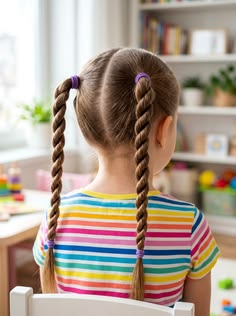
Coordinate Hair With School Mornings
A style that lasts through a busy school week saves real time each morning.
Protective styles can make school mornings much easier once they are properly installed. Since the hair is already done, mornings free up time that used to go toward daily styling.
That extra time can go toward breakfast, packing bags, or simply moving slower. A calmer morning routine benefits the whole household, not just your child.
How to Make School Morning Dressing Easier for Kids and Parents shows how to build on this extra time well. Pairing a low-maintenance protective style with a simple morning routine cuts stress significantly.
This combination often makes the biggest difference during busy school weeks. Every extra minute in the morning genuinely counts when things get hectic.

Think About the Weather Too
Weather changes affect protective styles more than most parents expect going in. Humidity can cause frizz, while cold, dry air can make styles feel tighter and more brittle.
Both extremes call for slightly different products and care. Keeping a small seasonal kit of products on hand makes these switches easier.
How to Dress Your Child for Different Seasons Without Buying Too Many Clothes offers useful tips on planning around seasonal shifts.
The same thinking applies to hair. Adjust your styling products and routine based on the season your child is facing. Do not use the exact same approach all year.
Factor In How Fast Hair and Bodies Grow
Kids grow quickly, and that growth affects hair just as much as it affects clothing size. A style that fit perfectly at the roots months ago may now feel different.
The scalp and hairline shift slightly as kids grow. What to Know Before Buying Clothes for Kids Who Grow Quickly explains a similar principle for clothes.
The same idea applies here too. Reassess hair needs every few months. Do not assume what worked once will always keep working the exact same way.
Don’t Forget About Shoes and Comfort as a Whole
Comfort is not just about hair, it touches every part of how a child feels through the day. Uncomfortable shoes can make a child just as cranky and restless as a too-tight hairstyle.
Comfort problems often stack on top of each other without anyone noticing the pattern. A tired, cranky child is sometimes dealing with more than one discomfort at once.
How to Choose Shoes That Keep Kids Comfortable All Day covers this side of the comfort equation in more detail. Thinking about comfort from head to toe helps you catch small issues early.
This stops them from building into bigger complaints by evening.
Let Your Child Have Some Say in the Choice
Kids are more likely to sit still and care for a style they actually chose themselves. Offer a few age-appropriate options rather than picking something entirely on your own.
Even two or three choices give your child a real sense of ownership. Ownership over small decisions tends to build confidence in bigger ones too.
This small bit of involvement builds their confidence and makes the whole process feel less forced. Kids who feel involved tend to sit calmer through the whole appointment.
A calmer child also means a faster, smoother styling session overall. Everyone leaves the chair in a better mood when the process feels easy. My sister lets her daughter pick between three approved styles each time.
This one habit cuts down on complaints during installation significantly. A little choice goes a long way toward a smoother, calmer styling day for everyone.
It also teaches kids that their comfort and opinion genuinely matter. That lesson carries over into how they express discomfort later in life too.

Watch Out for Trends That Do Not Fit Your Child
Not every trending hairstyle suits every child’s hair type, scalp sensitivity, or activity level. Something that looks stunning on social media might not translate well to your child’s daily life.
Online photos rarely show the maintenance or discomfort behind the finished look. A single photo cannot capture hours of sitting or days of tightness afterward. Ask if the trend actually fits your child’s needs before copying it exactly.
What works for one child’s hair type may not translate to another’s at all. Hair texture, density, and scalp sensitivity all play a role here. A neighbor once tried a viral style on her son that looked great online.
It caused constant discomfort within just a few days. Trends work best as inspiration, not as a strict rulebook you have to follow exactly.
Adjust any trend to fit your own child’s comfort and hair type first. A slightly modified version often works far better than the exact original.
Build a Simple Routine Around the Style
Once a protective style is in, build a simple daily routine to keep it looking neat. This might include a light oil application, a scarf at night, or a quick edge touch-up.
A short, consistent routine keeps the style looking neat for its entire lifespan. Consistency matters more here than any single fancy product.
How to Create a Simple Outfit Formula Your Child Can Dress Themselves In shows how routines simplify daily choices. The same logic works for hair care too.
Pairing this with How to Make Your Child’s Everyday Outfits Look More Put Together rounds out a full morning system. It covers hair and clothes together.
Know When to Take a Style Out Early
Sometimes a style needs to come out before its planned end date, and that is completely fine. Persistent pain, visible scalp damage, or ongoing sleep trouble are all valid reasons to remove it early.
None of these signs should be ignored just to keep a style looking full. A shorter, comfortable style always beats a longer, painful one. Do not feel pressured to keep a style in just because it took a long time to install.
Time spent installing a style is never a good reason to ignore pain. A quick removal is always worth it compared to days of quiet suffering.
Your child’s comfort and scalp health matter far more than getting the full wear out of any single style. Removing a style early is never a wasted effort if it protects your child.
Putting Everything Together
Choosing a protective hairstyle for your child takes more thought than picking whatever looks nicest in a photo. A little planning upfront saves real discomfort later on.
Check tightness, scalp sensitivity, activity level, and how well your child can sleep in it. Each of these areas plays its own role in how the style actually feels. Match the style to your child’s age, patience, and daily schedule.
What suits one age group rarely suits another in the exact same way. Involve your child in the decision, but trust your own eyes over their excitement alone. Excitement fades fast once discomfort sets in during the following days.
A style that is truly protective should leave your child comfortable, not just good looking. That comfort should start from the very first day. If it does not, something in the plan needs to change.

