
Kids can dress so beautifully and stylishly and still feel comfortable in their outfit. Many parents think they have to pick one or the other, style or comfort, but that is not true. This mindset shift alone changes how you approach shopping for your child from now on.
The two can work together with a bit of planning. It starts with knowing what pieces to build around. The Easiest Way to Create a Capsule Wardrobe for Kids is a great place to begin that process. Once you have the right base pieces, adding style on top becomes much easier.
This post shows you exactly how to keep both style and comfort in every outfit. By the end, you will have a clear way to shop, dress, and think about your child’s clothes going forward. None of this requires a big budget or hours of extra planning each week. Small, consistent choices add up to a wardrobe that works well every single day.

How to Dress Kids Stylishly Without Sacrificing Comfort
What Comfort Really Means for Kids’ Clothing
Comfort is not just about soft fabric, though that matters a lot. It also means the right fit, the right length, and freedom to move. A stiff collar or a heavy zipper can make an otherwise nice outfit feel like a burden by midday.
A shirt can feel soft but still be too tight under the arms. Pants can look great but still dig into the waist. True comfort covers the whole outfit, not just one part of it.
It takes checking every piece, not just the one that looks the most obviously stiff or tight. Pay attention to how your child moves in an outfit, not just how it looks standing still.
Watch them sit, bend, and run around before deciding a piece is a good fit for daily wear. An outfit that looks perfect standing still can still fall apart the moment real movement is involved. Real play is always the best way to test an outfit.
Why Style and Comfort Are Not Opposites
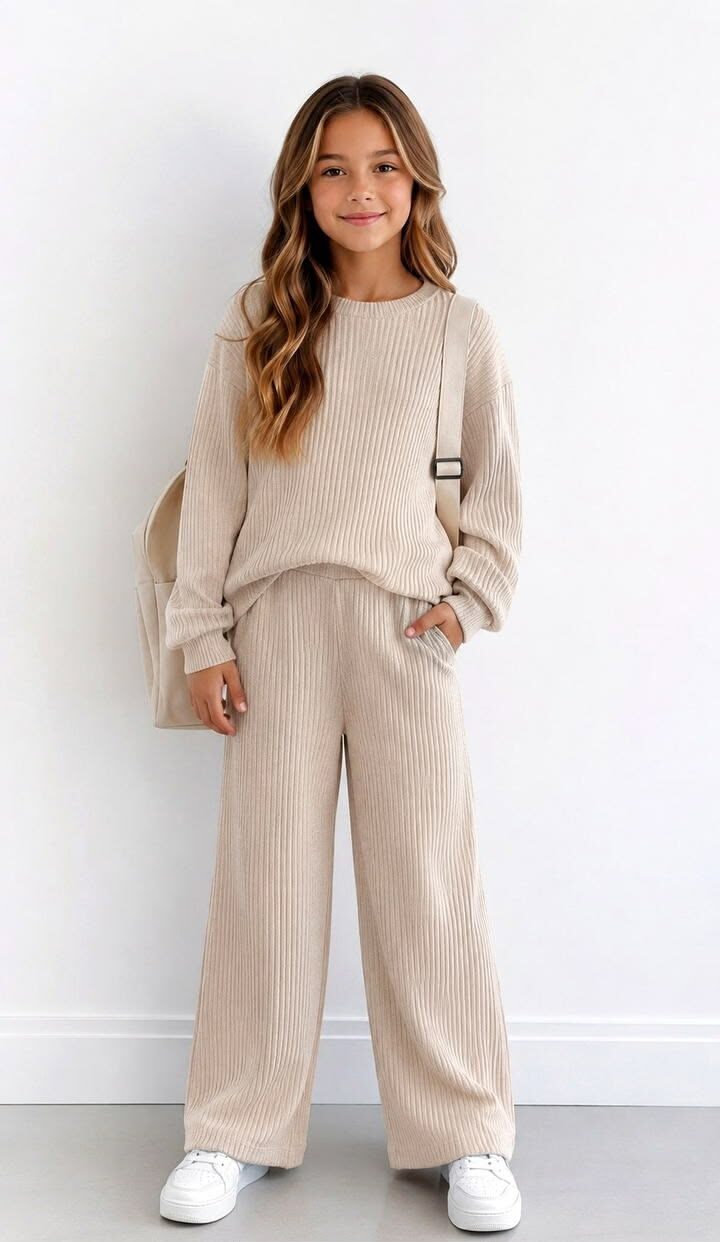
People often assume stylish clothes must be stiff or uncomfortable, but that idea is outdated. Many brands now design cute, trendy pieces using soft, stretchy fabric.
This shift makes shopping easier than it used to be, since good options are far more common now. It takes less searching today to find pieces that check both boxes at once.
The trick is knowing what to look for while shopping. Check the fabric label before you check the price tag. A quick habit like this becomes second nature after just a few shopping trips, and it saves plenty of regret later.
Cotton blends and jersey knits usually feel soft while still looking sharp. Look for these fabric types first, then narrow your choices down by color and style afterward.
A stylish outfit and a comfortable one can be the exact same piece of clothing. You just need to shop with both things in mind from the start.

Start With Fabric, Not Just the Look
Fabric should be your first filter when picking any outfit. Cotton, jersey, and soft blends work well for most kids’ clothing. Making this your habit turns fabric checking into something quick, rather than an extra chore each time you shop.
It becomes second nature after just a handful of shopping trips. Stiff denim, scratchy wool, or rough polyester often cause discomfort fast. Feel the inside of the fabric with your hand before buying anything new.
Fabric that feels fine on the outside can still be lined with something rougher underneath, so always check both sides. Linings are often the real source of hidden discomfort.
If it feels rough to your touch, it will likely feel worse against your child’s skin. This one small habit saves you from buying pieces that end up pushed to the back of the closet unworn.
Over time, that habit alone can save real money on clothes that never actually get used. It also keeps the closet itself easier to manage overall.
Pay Attention to Seams, Tags and Zippers
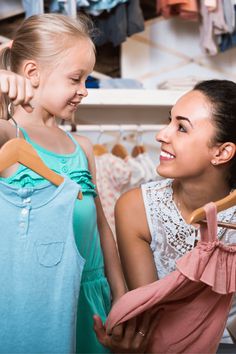
Small details often cause the biggest discomfort in kids’ clothing. A scratchy tag at the back of the neck can bother a child all day long.
Most kids will not always mention it, so it helps to check for yourself before the outfit goes into regular rotation. Rough seams inside sleeves or waistbands cause the same kind of trouble.
Check zippers too, since a stiff zipper can pinch skin if it catches wrong. Metal zippers can also feel cold or rough against bare skin in cooler months. Cut out tags that seem irritating, or look for tagless options when shopping.
These tiny fixes make a huge difference in how comfortable an outfit actually feels once worn. A few minutes of checking before wearing saves a whole day of quiet fussing later.
Choose the Right Fit, Not Just the Right Size
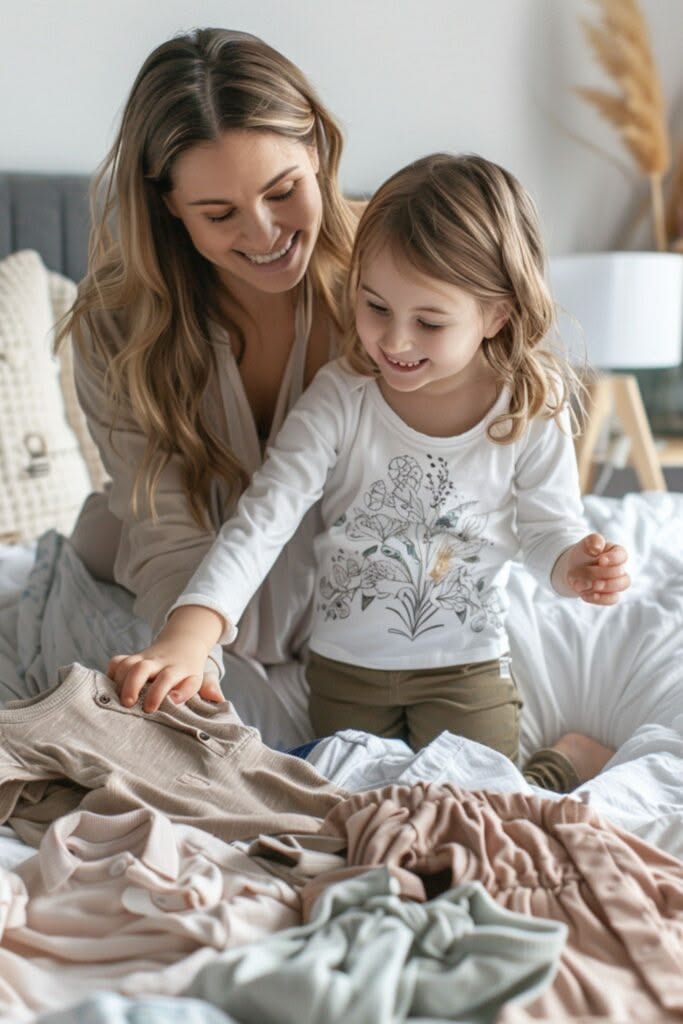
Sizes vary a lot between brands, so always check the actual fit, not just the label. A shirt that runs small in one brand may run large in another. This is why size charts alone are not always a reliable guide.
Let your child try things on whenever possible, rather than guessing based on age or size charts alone. A five minute fitting at home saves a return trip later and avoids a wasted purchase.
Loose enough to move, but not so loose that it gets in the way, is the fit you want. This balance takes a bit of practice to spot, but it gets easier with time.
Pants that fit well at the waist but drag on the ground can trip a child during play. Always check hems and cuffs, since these small details get overlooked more than most other parts of an outfit.

Let Comfort Guide Your Shoe Choices
Shoes affect comfort more than most people realize, since kids wear them for hours each day. A stylish shoe still needs to support your child’s feet properly.
The wrong pair can quietly cause discomfort that shows up later as complaints or reluctance to walk much. How to Choose Shoes That Keep Kids Comfortable All Day breaks down exactly what to check before buying a new pair.
Avoid shoes that look nice but pinch the toes or slip at the heel. Ask your child to walk around the store a bit before deciding on a final pair.
A comfortable shoe lets your child run, jump, and play without pain creeping in by the afternoon. Always prioritize how a shoe feels after an hour of wear, not just how it looks in the first five minutes.
Replace worn out soles early too, since flattened cushioning quietly reduces comfort over time.

Build Outfits Around a Few Stylish Basics
A handful of solid basics makes daily outfits look put together with very little effort. Plain t-shirts, soft joggers, and simple dresses work as a strong foundation.
These pieces also wash and wear well, which matters when they get used almost every single day. How to Make Your Child’s Everyday Outfits Look More Put Together shows small styling tricks that build on this idea further.
Once the basics are sorted, adding one fun piece instantly lifts the whole outfit. This one simple habit keeps your child’s style feeling fresh without constant new purchases.
This approach keeps mornings simple while still making sure your child looks nicely dressed every day. It also means fewer decisions overall, which lowers stress for both of you before school or errands.

Layer Smart for Different Seasons
Layering lets you add style without sacrificing comfort as the weather shifts. A soft cardigan over a simple dress works for both warmth and looks.
Layers also give your child a way to adjust during the day, without needing a full outfit change. How to Dress Your Child for Different Seasons Without Buying Too Many Clothes explains how to plan layers across the whole year.
Keep each layer soft and breathable, rather than bulky or stiff. Bulky layers also restrict movement during active play, which defeats the whole point of dressing a child comfortably.
This way, your child stays warm without feeling weighed down or restricted while playing outside. Light, breathable layers almost always beat one heavy, bulky piece that limits movement.
Watch Out for Fast-Growing Kids When Shopping
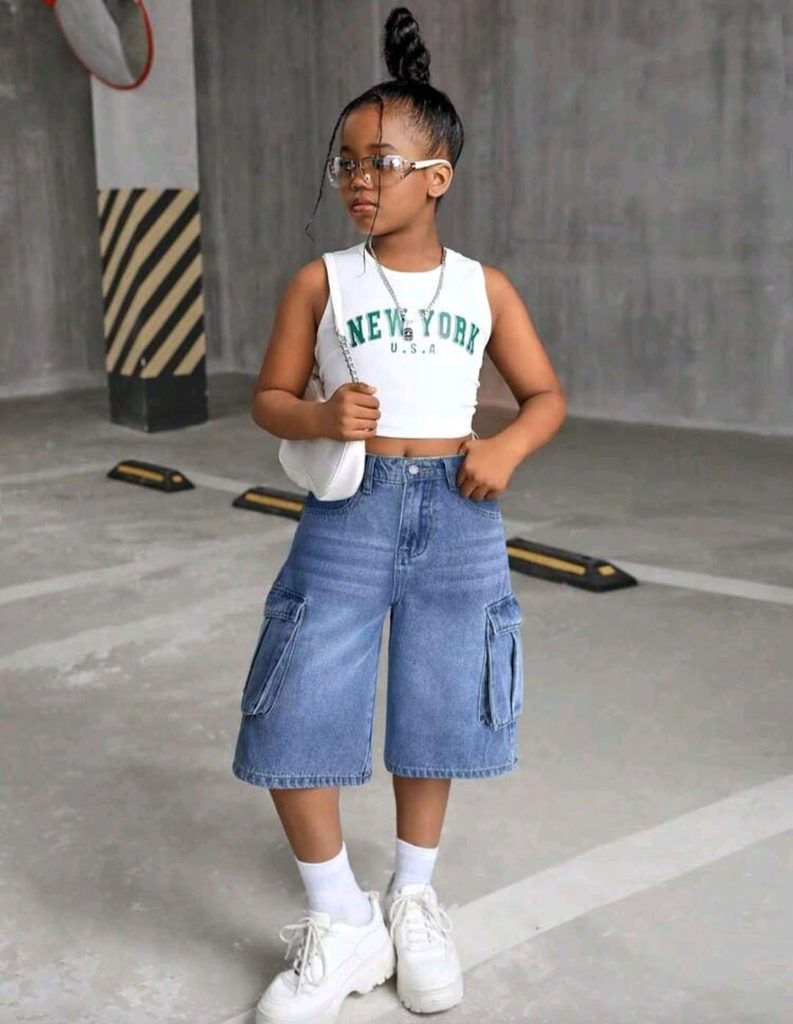
Fast growth can quietly ruin comfort, since outgrown clothes get tight in ways that are easy to miss. A shirt that fit fine last month might now pull at the shoulders.
Sleeves that run short can also restrict arm movement more than parents notice at first glance. What to Know Before Buying Clothes for Kids Who Grow Quickly explains how to shop smarter around this issue.
Check fit every few months, not just at the start of a new season. Growth spurts do not wait for the calendar, so staying alert year round helps more than a seasonal check alone.
A quick check saves your child from wearing clothes that quietly stopped being comfortable weeks ago. Waistbands and cuffs are usually the first places to show this kind of wear.
Sleeves and shoulder seams follow close behind as growth continues.

Add Style Through Small Details, Not Whole Outfits
You do not need a completely new outfit to add style each day. A fun hair clip, colorful socks, or a patterned jacket can update a simple base outfit fast.
These small touches also give your child room to express their own taste without needing a full wardrobe change. This keeps your core wardrobe simple while still letting personality shine through.
Kids also enjoy picking these small extras themselves, which adds a bit of fun to getting dressed. My neighbor does this well, swapping one small item daily to keep her son’s basic outfits feeling fresh.
Small details like this cost less and take far less planning than buying entirely new looks each week. It also keeps your budget more predictable throughout the year.

Involve Your Child in the Decision
Comfort is personal, and your child knows their own body better than anyone else. Let them tell you if something feels itchy, tight, or just plain wrong.
Kids often notice small problems long before adults would think to check for them. Take their feedback seriously, even if the outfit looks great to you.
What looks fine on a hanger can still feel completely wrong once it is actually being worn all day. A child who feels comfortable moves and behaves better throughout the day.
Discomfort often shows up as crankiness long before anyone connects it back to what they are wearing. Checking clothing first can save you from misreading a comfort problem as a behavior problem.
Involving them also builds their own sense of style early on. This makes future shopping trips smoother and less stressful for both of you. Kids who feel heard about their clothes tend to complain far less about wearing them.

Think About Hair as Part of the Whole Look
A stylish outfit is not complete without a hairstyle that matches how your child actually lives their day. Active kids need hairstyles that hold up through running, climbing, and play, not just photos.
If your child has natural hair, What Every Parent Should Know Before Choosing Protective Hairstyles for Kids is worth reading first.
For other hair types, The Ultimate Guide to Choosing Hairstyles for Different Kids’ Hair Lengths helps you pick something manageable.
A manageable style also means less time spent fixing hair mid-morning. A good hairstyle should hold up through play, not just look nice for five minutes after it is done.
Choosing wisely here saves you from constant mid-day fixes and frustrated tears over messy hair. A simple, sturdy style almost always beats one that looks fancy but falls apart fast.
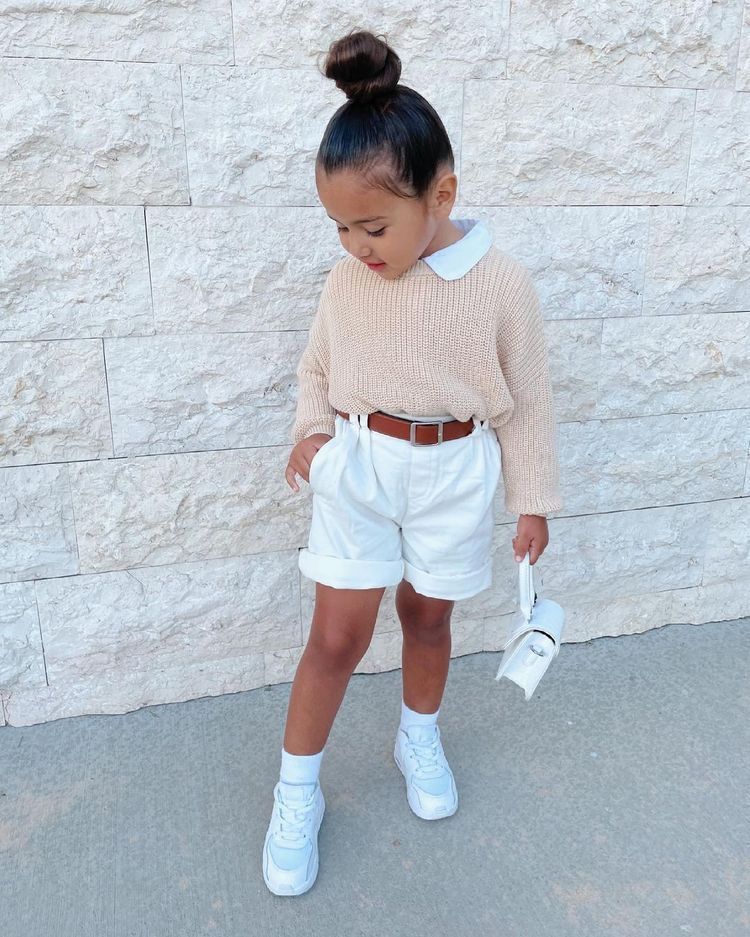
Keep Mornings Easy With Simple Choices
Stylish and comfortable outfits should not take extra time to put together each morning. Keep go-to combinations ready, so mornings do not turn into a search through the whole closet.
Prepping outfits the night before also removes one more decision from an already busy morning. How to Make School Morning Dressing Easier for Kids and Parents has more tips that fit well alongside this idea.
Pairing both approaches together tends to make the biggest difference in how mornings actually feel. A simple system beats a complicated one, especially on busy school days.
The goal is looking good without adding stress to an already rushed morning routine. A calm morning also tends to set a better tone for the rest of the school day.
Rushed, stressful mornings tend to carry that same tension into the rest of the day too.

Test New Clothes Before Big Days Out
Never save a brand-new outfit for a big event without testing it first. A stiff new fabric or an odd seam might only show up once your child actually wears it for hours.
This is especially true for special-occasion clothes that get worn far less often than everyday basics. Less-worn pieces are also more likely to hide an uncomfortable seam or stiff patch nobody noticed.
Have your child wear new pieces around the house for a short while before the real day. Even thirty minutes of wear at home can reveal problems a store fitting room misses.
This simple test catches discomfort early. You will not be dealing with a cranky, uncomfortable child in the middle of a special occasion.
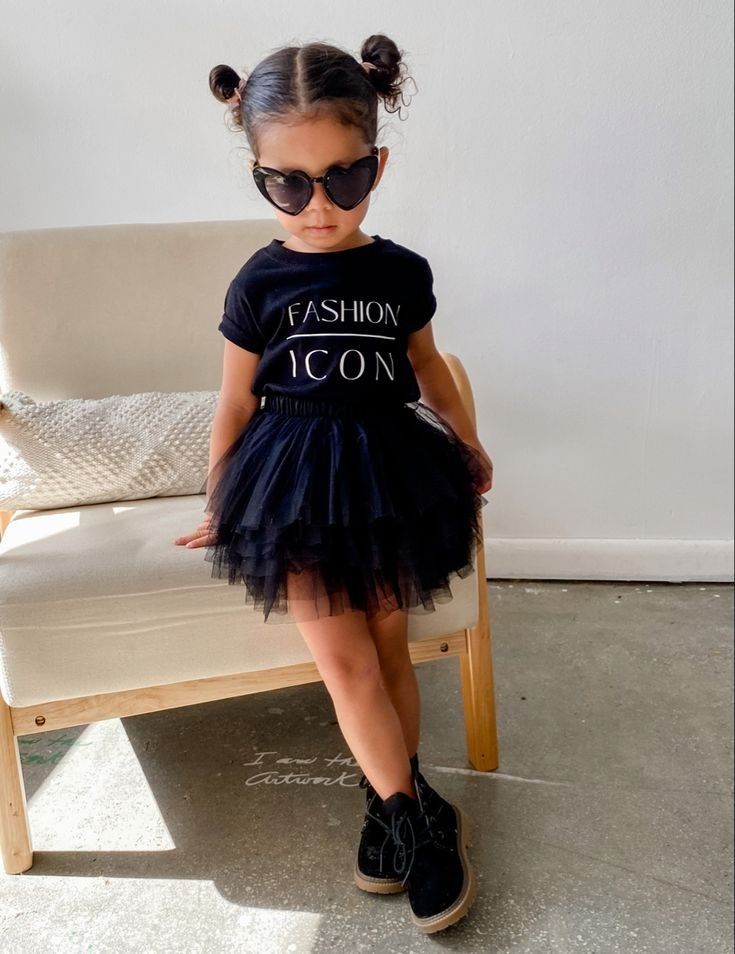
Avoid Trends That Sacrifice Comfort
Not every trend suits a child’s daily life, even if it looks great in photos. Stiff collars, tight waistbands, or scratchy fabric might photograph well but feel terrible to wear.
It helps to ask if a trendy piece is meant for daily wear or just for special moments. Ask yourself if your child could comfortably play, sit, and run in the piece.
If the answer is no, skip it for daily wear and save it for short, occasional outings instead. Short outings rarely involve enough movement to expose the same discomfort.
Comfort should always win over trend when it comes to clothes your child wears often. Save the trendier, less comfortable pieces for shorter outings where discomfort matters less.
This way your child still gets to enjoy trendy pieces, just without wearing them all day.
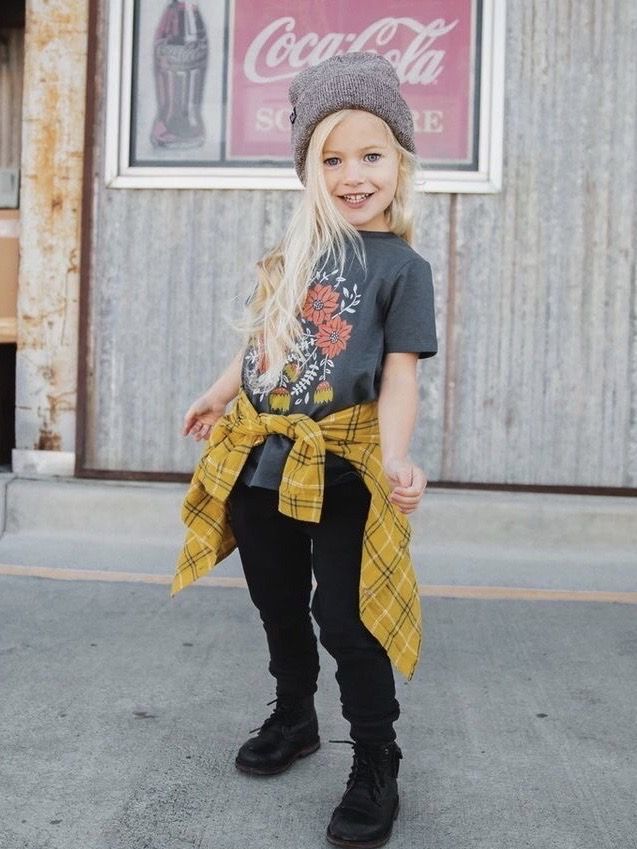
Mix Comfort Pieces With a Few Statement Items
Balance is the real secret to dressing kids stylishly without losing comfort. Keep most of the wardrobe soft, simple, and functional.
This balance is what actually makes a wardrobe sustainable over the long run, rather than a short-lived trend. A sustainable wardrobe also holds up better against the wear and tear of daily kid life.
Then add one or two statement pieces that bring in extra style. My sister does this with a bold jacket her daughter only wears on weekends, paired with soft basics underneath.
This mix keeps the wardrobe practical daily. It still leaves room for standout pieces on days that call for a bit more flair.

Build a Simple Formula for Stylish, Comfortable Days
An outfit formula takes the guesswork out of dressing stylishly every day. Pick one top, one bottom, and one pair of shoes that all meet your comfort standards.
This structure also makes shopping faster later, since you already know exactly what role each new piece needs to fill.
A clear formula also means fewer impulse buys that do not actually fit the plan. How to Create a Simple Outfit Formula Your Child Can Dress Themselves In walks through building this step by step.
Following that guide alongside this one covers both the comfort and the system side of dressing well. Once the formula is set, your child can mix pieces confidently. Everything already works together, both in comfort and in style.

Trust Your Child’s Own Comfort Signals
Kids often show discomfort through behavior before they can explain it in words. Constant tugging at a waistband or refusing to sit still might mean something does not fit right.
Rubbing at a collar or avoiding certain clothes entirely are other signs worth paying attention to. These quiet signals are often easier to spot than parents expect, once you know to look for them.
Pay attention to these small signals, rather than dismissing them as fussiness. What looks like a bad mood is sometimes just a waistband that is too tight. Trusting your child’s signals teaches them to trust their own body too.
Over time, this builds a habit of choosing clothes that feel as good as they look. It happens without needing much reminding from you. This habit stays with them well beyond childhood, shaping how they shop for themselves later on.
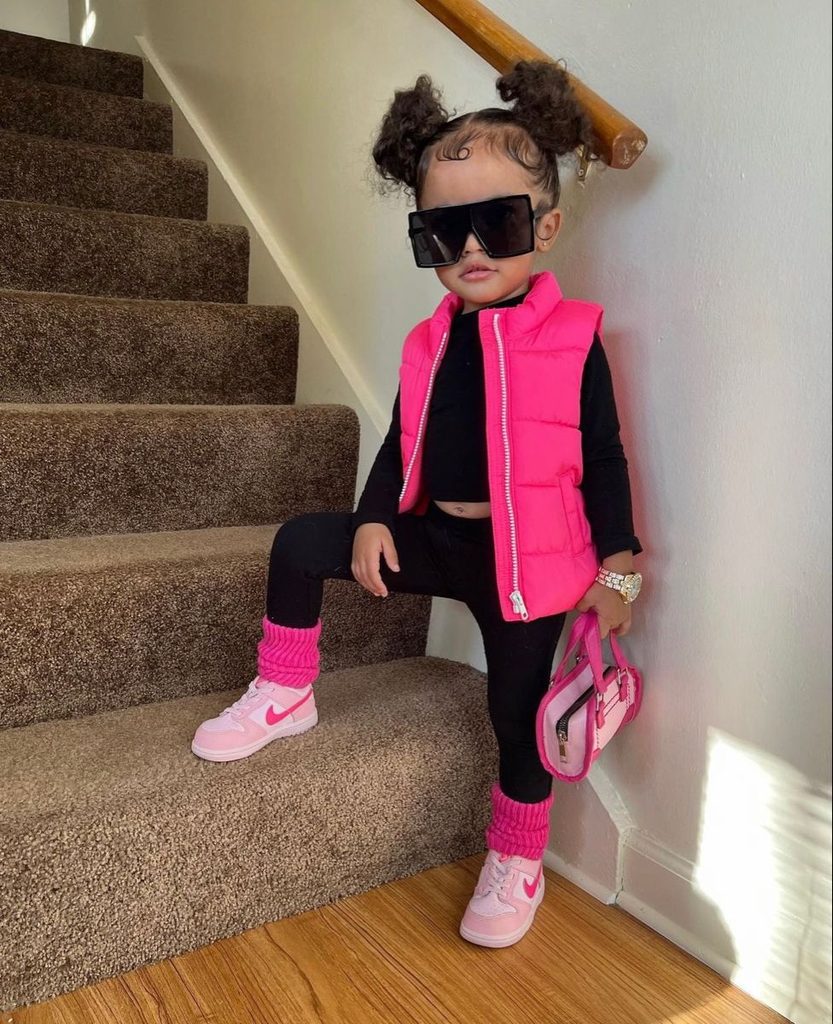
Wrapping Up
Dressing kids stylishly and comfortably at the same time is easier than most parents expect. Start with soft, well-fitting basics, then build style on top through small, simple details.
Small, steady changes work better than trying to overhaul the whole wardrobe overnight. Pay attention to fabric, fit, and how your child actually feels in what they wear.
These three things matter far more than following every passing trend. Involve your child in the process, since comfort is something only they can truly judge.
Once you find the right balance, getting dressed each day becomes something your child actually enjoys. It stops being just something they have to do.
That shift alone makes the whole daily routine feel lighter for the both of you.

