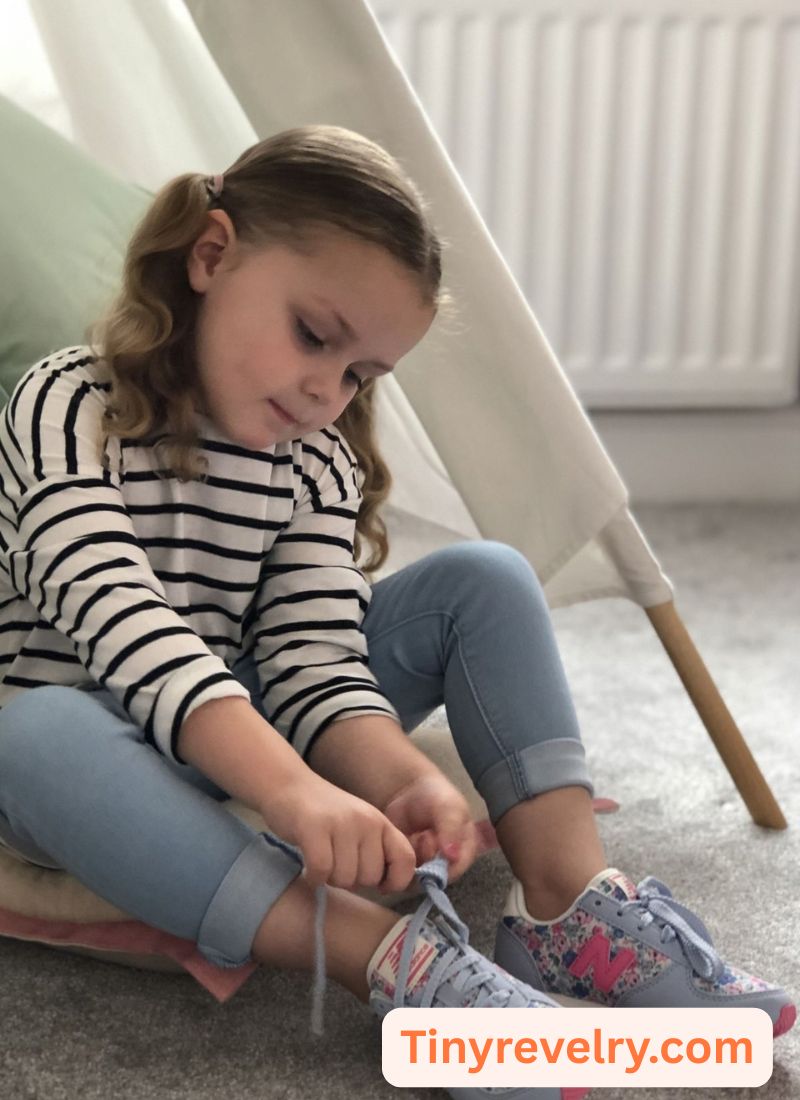
Shoes are one of the important parts of dressing. Always choose comfort over design. One mistake in choosing shoes can make the whole outfit go wrong, no matter how well everything else was planned. A great outfit paired with painful shoes rarely leaves a child feeling good by the end of the day.
That discomfort often overshadows everything else about the outfit, no matter how carefully it was chosen. Shoes deserve just as much thought as any other visible piece of clothing, if not more.
Comfort really does need to come first. How to Dress Kids Stylishly Without Sacrificing Comfort explains why this principle matters across every part of a child’s wardrobe, shoes included. A stylish shoe that hurts by afternoon defeats its entire purpose. This post walks through exactly what to look for, so your child’s shoes support them through a full, active day.
None of the advice here requires spending a lot more money, just paying attention to the right details. Comfort comes down to fit, material, and a bit of observation, not necessarily a bigger budget. A modestly priced shoe that fits well will always beat an expensive one that does not.
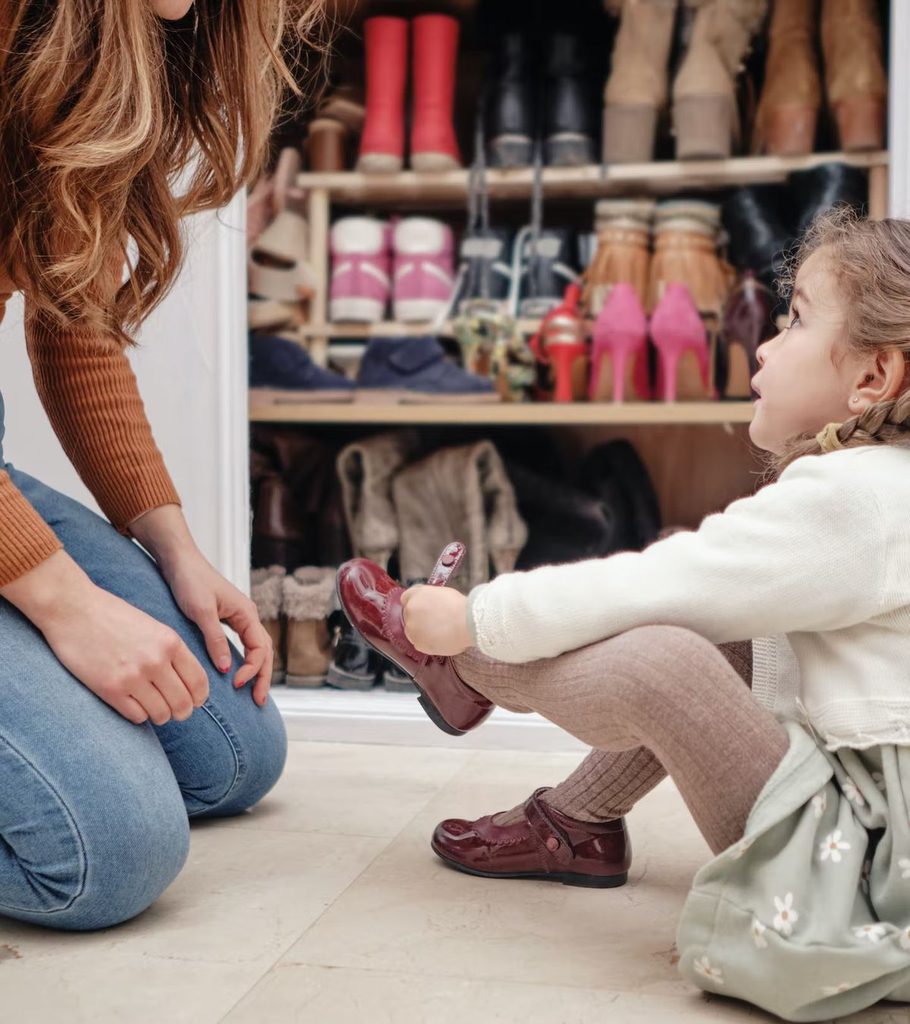
How to Choose Shoes That Keep Kids Comfortable All Day
Why Shoe Comfort Matters More Than People Think
Kids spend hours a day on their feet, running, playing, and walking far more than most adults realize. Uncomfortable shoes affect more than just their feet, often showing up as crankiness or reluctance to move.
A child in pain rarely explains it clearly, which makes shoe comfort easy to overlook. Poor-fitting shoes can also affect posture and gait over time, especially with growing feet.
Young, developing feet are more sensitive to poor support than most parents realize. Bones and joints are still forming during childhood, which makes proper support especially important during these years.
A shoe that fails to support growing feet properly can have effects that last well beyond childhood. Getting shoe comfort right protects more than just a single day, it protects long-term foot health too.
A little extra attention now can prevent foot problems that follow a child well into adulthood. Podiatrists often trace adult foot issues back to poorly fitting shoes worn during childhood growth years.
That connection alone makes it worth the small extra effort involved in choosing carefully now. This long-term view makes shoe comfort worth treating as more than just a small daily convenience.

Learn to Read the Real Signs of a Bad Fit
Certain signs show up long before a child says their shoes hurt. Red marks, blisters, or a shoe that slips at the heel are all early warning signs worth checking for.
Watch how your child walks in new shoes, since limping or an odd gait often signals discomfort. A child who suddenly refuses to wear a certain pair is usually telling you something important.
Catching these signs early saves both of you from a day of quiet suffering. A child cannot always name the problem, but their behavior almost always points to it clearly enough to notice.
Pay attention to sudden changes in mood or activity level, since these can also be tied to physical discomfort.
A parent who knows what to look for will usually catch a shoe problem within the first day of wear. That quick catch prevents days or even weeks of quiet, unnecessary discomfort for your child.

Measure Feet Properly, Not by Memory
Feet change size more often than most parents expect, so relying on last season’s size is risky. Measure both feet at the end of the day, when feet are at their largest.
Feet are often slightly different sizes from each other, so always fit shoes to the larger foot. Do this measurement every few months, rather than assuming the last size still applies.
A proper measurement takes just a couple of minutes but prevents a whole set of comfort problems.
Many stores offer free measuring, so there is rarely a good reason to skip this simple step. A quick, accurate measurement is the single most useful thing you can do before buying any new pair.
Bring your child along whenever possible, rather than relying on a size from a previous visit. Feet do not always grow evenly, so an in-person measurement remains the most reliable option available.

Leave a Little Room to Grow, Not a Lot
Buying shoes with too much extra room seems practical, but it often causes its own comfort issues. What to Know Before Buying Clothes for Kids Who Grow Quickly explains a similar principle for clothing. It applies just as well here.
A thumb’s width of space at the toe is usually enough room to allow for natural growth. Too much extra space can cause blisters, tripping, or an unstable, awkward walk.
A shoe that is genuinely too big forces a child to walk differently, just to keep it from slipping off. That altered gait can cause its own strain over time, even if the shoe feels fine at first.
That altered gait can cause its own strain over time, even if the shoe itself feels fine at first.
This is why the right amount of room matters more than simply buying a size up for convenience. A properly sized shoe supports natural movement, while an oversized one quietly works against it.
Balance is key, enough room to grow, but not so much that the shoe stops fitting properly right now.

Choose the Right Shoe for the Right Activity
Different activities call for different types of shoes, and one pair rarely covers every situation well. Running shoes support active play, while sturdier boots work better for rough outdoor terrain.
A dress shoe meant for a special occasion is rarely built for a full day of running around. Matching the shoe to the actual activity keeps your child comfortable no matter what the day involves.
A shoe built for the wrong activity often looks fine but fails exactly when it matters most. Think of shoes as tools, each suited to a specific kind of task, not one pair for everything. Matching the right tool to the right job applies to shoes just as it does elsewhere.
A single all-purpose shoe might handle several situations reasonably well, but it rarely excels at any one of them. Matching the right tool to the right job applies to shoes just as much as it does anywhere else.
Think through your child’s typical week before deciding which pairs actually belong in the rotation.

Pick Breathable Materials Over Trendy Ones
Shoe material affects comfort just as much as size and shape do. Breathable materials like canvas or mesh help keep feet cool and prevent excess sweating during active play.
Stiff synthetic materials can trap heat and cause discomfort, even in a shoe that technically fits well. Check the inside lining too, since a rough or poorly finished interior can cause irritation over time.
Run a finger along the inside seams before buying. A rough edge there is often the real source of blisters. This small check takes only a few seconds but can prevent a genuinely uncomfortable day.
Materials that look nearly identical on the outside can feel completely different once your finger checks the inside lining. This is one of the fastest, most useful checks you can do right in the store.
A breathable, well-made shoe often costs a little more, but it pays off in daily comfort.
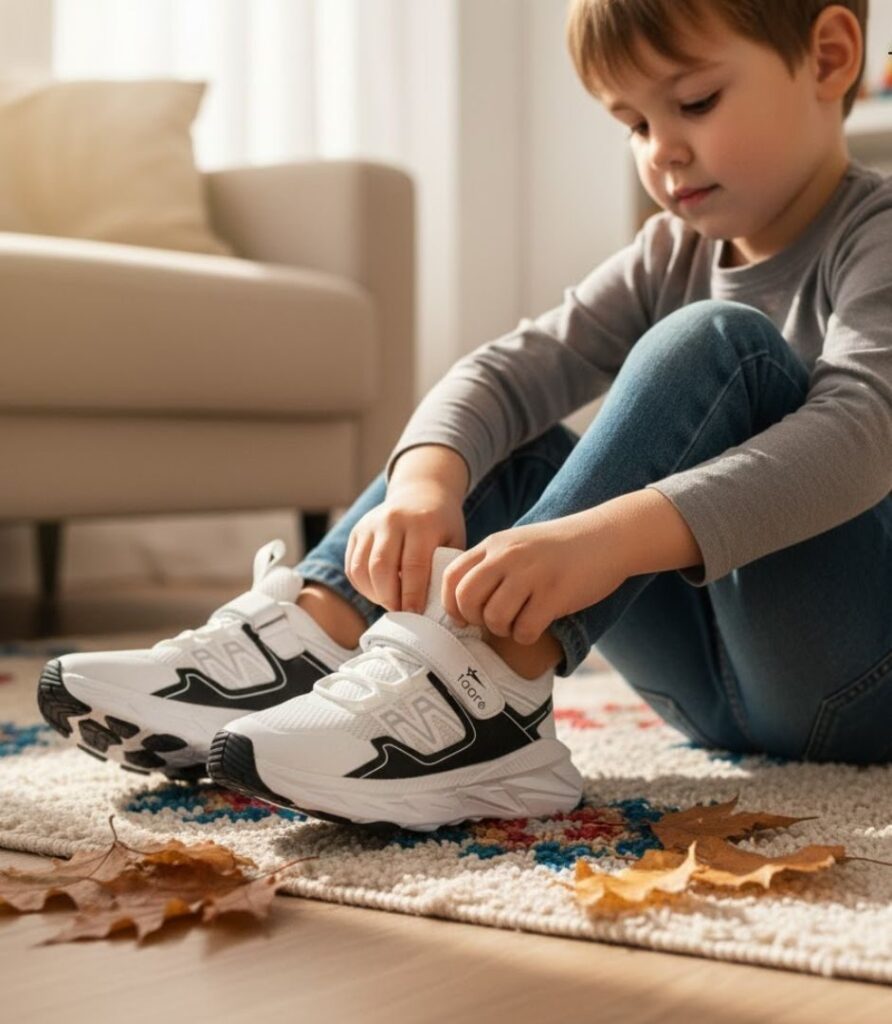
Match Shoes to the Season
Shoes need to adjust with the seasons, just like the rest of your child’s wardrobe. How to Dress Your Child for Different Seasons Without Buying Too Many Clothes explains how to plan for these shifts.
Sandals work well for summer, while insulated boots matter more once temperatures drop. A shoe that works fine in spring might feel completely wrong by the middle of winter.
Rotate your child’s shoe options as the seasons shift, the same way you would rotate the rest of the wardrobe. Keeping last season’s pair around a little too long often leads to cold, uncomfortable feet.
Store off-season shoes somewhere easy to reach, so the swap does not become its own separate chore later. A predictable seasonal rotation keeps your child’s feet properly protected no matter what the weather does.
Planning your shoe rotation around the season keeps your child comfortable no matter what the weather brings.
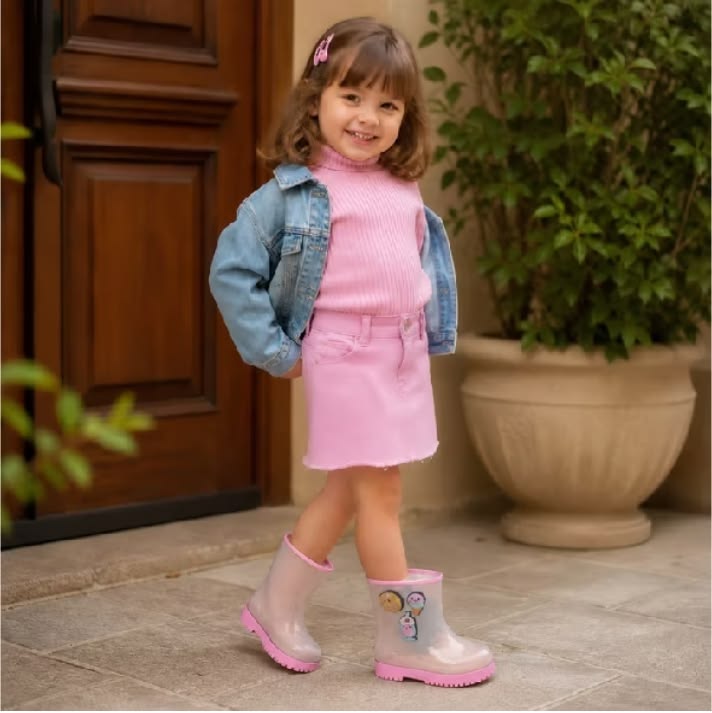
Keep a Small, Versatile Shoe Rotation
A large shoe collection is rarely necessary, and it often makes mornings more complicated than they need to be. The Easiest Way to Create a Capsule Wardrobe for Kids applies just as well to shoes as it does to clothing.
Two or three solid, versatile pairs usually cover most of a child’s daily needs. A good pair of sneakers, one dressier option, and season-appropriate boots or sandals often round things out nicely.
Keeping the rotation small also makes it easier to notice when a pair needs replacing. A large, cluttered shoe collection makes it harder to spot wear and tear before it becomes a real problem.
Fewer, better-cared-for pairs almost always serve a child better than a large, neglected collection.
A smaller collection also makes it easier to keep every pair clean and in good repair. Quality and attention, spread across fewer pairs, usually beats quantity spread thin across too many.
This focus tends to save money over time too, since well-kept shoes simply last longer.

Coordinate Shoes With the Rest of the Outfit
Shoes tie an outfit together, even though they often get chosen last in the process. How to Make Your Child’s Everyday Outfits Look More Put Together explains how small details like shoes complete a look.
Stick to a few neutral colors in your shoe rotation, so they match almost everything else your child wears. This small habit saves you from needing a separate pair for every single outfit combination.
A well-matched shoe finishes a look without requiring much extra thought each morning. White, black, and brown remain the most flexible choices, since they pair with nearly any color palette.
Save brighter, more colorful pairs for occasions where a bit of extra personality feels appropriate.
This approach still leaves room for your child’s own style in other parts of the outfit. Neutral shoes act as a steady base, the same way neutral basics work in the rest of a wardrobe.
Don’t Ignore Socks in the Comfort Equation
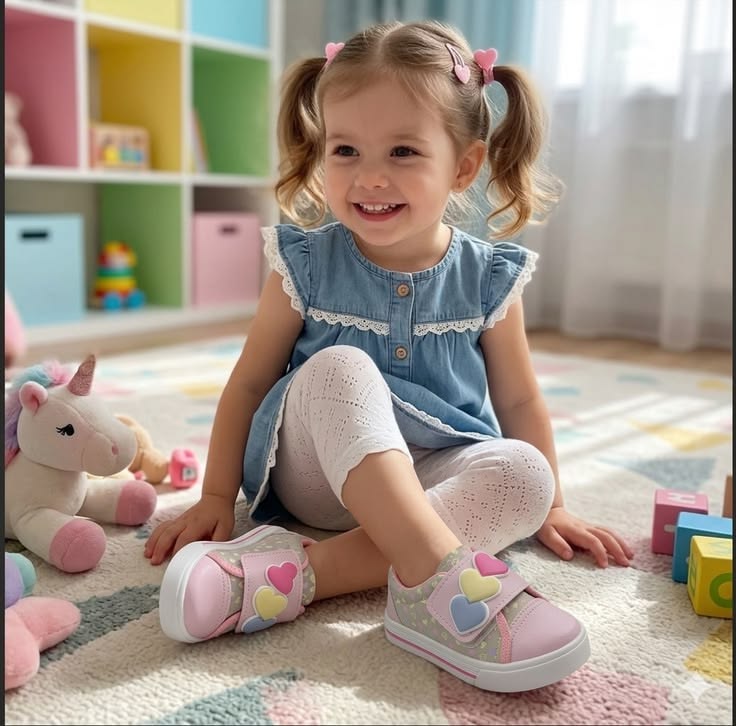
Socks play a bigger role in shoe comfort than most parents give them credit for. Thick, bunched-up socks can throw off the fit of an otherwise well-chosen shoe.
Choose socks in a similar thickness to what your child usually wears, especially when trying on new shoes. Seams at the toe can also cause irritation, so check for flat, smooth seams when possible.
A good sock and a good shoe work together, not separately, to keep feet comfortable all day. Cotton and moisture-wicking blends tend to work better than rougher synthetic materials for everyday wear.
A well-chosen sock can even help extend the life of a shoe by reducing friction and sweat buildup inside it.
Thin, worn-out socks lose their cushioning just like shoes do, so replace them regularly alongside the rest of the rotation. A fresh, well-fitted sock is a small detail that quietly supports comfort all day long.
Involve Your Child in the Shoe-Buying Process
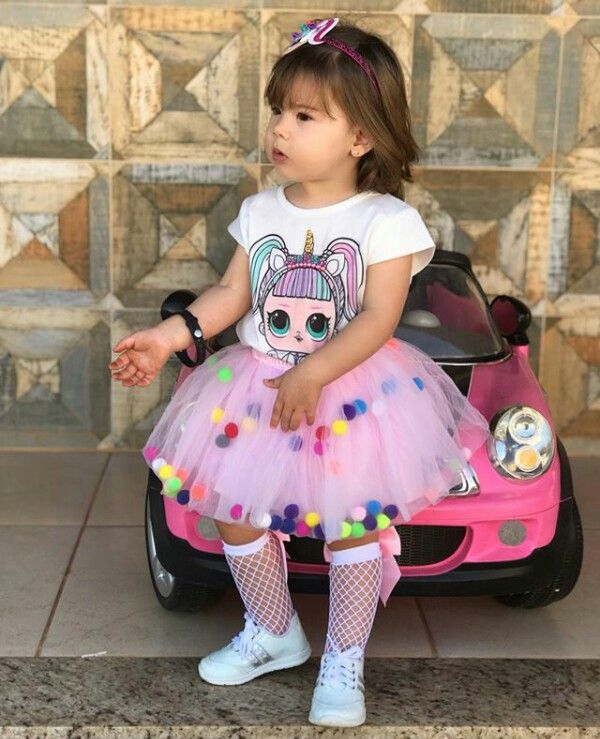
Kids often know more about how a shoe feels than a size chart ever could. Let your child walk around the store in new shoes before making a final decision.
Ask specific questions, like where a shoe feels tight, loose, or rubs against the skin. My sister always has her son jump and run a little in the store before buying, just to be sure.
This small step catches problems a quick try-on at the counter might otherwise miss.
A shoe that feels fine while standing still can feel completely different once real movement is involved. Encourage your child to walk, run, and even crouch a little before making a final decision on any new pair.
This active testing reveals far more than simply standing at the mirror ever could. A few minutes spent moving around the store saves you from a costly, uncomfortable mistake once you get home.

Watch for Wear Patterns That Signal a Problem
The way a shoe wears down over time can tell you a lot about fit and foot health. Uneven wear on the sole often points to a fit issue or a way of walking worth watching.
Check the inside of the shoe too, since a worn or compressed insole no longer supports the foot properly. Replace shoes once they show significant wear, rather than pushing them past their useful life.
A compressed insole loses its cushioning long before the outside of the shoe looks obviously worn out. Set a rough schedule for checking shoes, especially the ones your child wears most often during the week.
A monthly glance at the soles and insoles catches most wear issues before they become uncomfortable. This small habit takes only a minute but keeps every pair performing the way it should.
Paying attention to wear patterns helps you catch small problems before they turn into bigger ones.

Simplify Shoe Choices for Busy Mornings
Shoe decisions can slow down an already rushed morning if the rotation is not kept simple. How to Make School Morning Dressing Easier for Kids and Parents shares tips that work well alongside this.
Keep shoes in one designated spot, so mornings never turn into a search for a missing pair. A small, well-organized rotation means grabbing the right pair takes seconds, not minutes.
This small habit removes one more source of friction from an already busy routine. A basket or rack near the door works well for most families.
It keeps shoes visible and easy to reach. Kids old enough to dress themselves also benefit from knowing exactly where to find their shoes each morning.
This small system also cuts down on the clutter of shoes scattered throughout the house. A consistent spot for shoes becomes second nature within just a week or two of establishing the habit.
Think About Comfort From Hair to Shoes
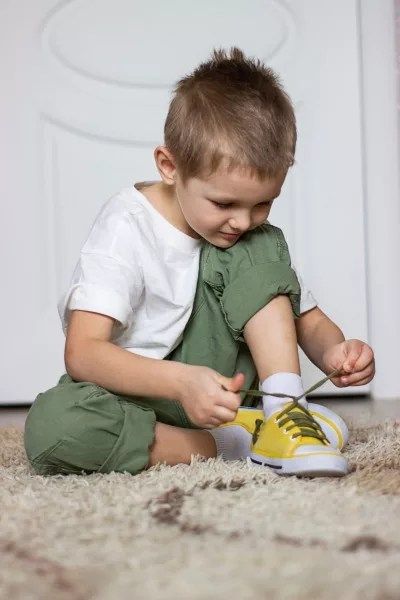
Comfort really does apply to the whole child, not just one part of the outfit. If your child wears protective styles, What Every Parent Should Know Before Choosing Protective Hairstyles for Kids covers a similar comfort-first approach.
A child pulling at a tight hairstyle can be just as distracted as one dealing with pinching shoes. Thinking about comfort holistically, from head to toe, helps you catch small issues before they build into bigger complaints.
Consistency in this mindset makes every part of getting dressed feel more thoughtful. A child who feels comfortable everywhere, not just in their shoes, moves through the day with far more ease.
Treating comfort as one connected system, rather than a series of separate decisions, leads to better outcomes overall.
A quick daily glance, checking hair, shoes, and clothing together, only takes a moment but covers the whole picture. This small habit becomes second nature quickly, once it is built into your regular routine.
Consider Hair Length When Planning a Full Routine
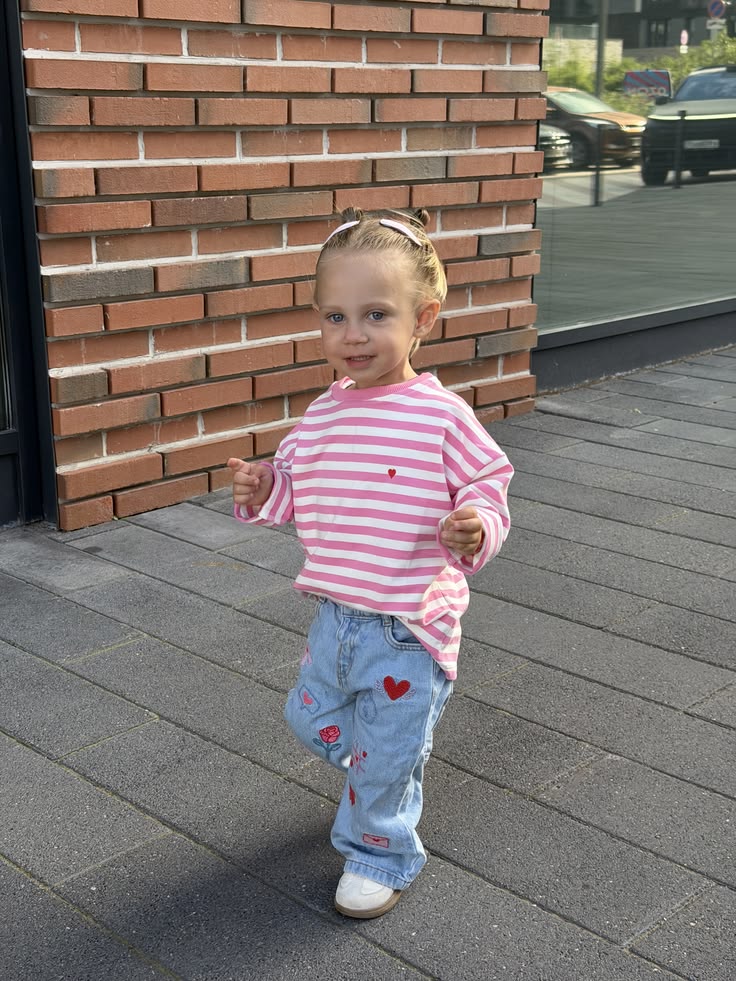
Hair length can also factor into overall comfort planning, especially on days with lots of movement. The Ultimate Guide to Choosing Hairstyles for Different Kids’ Hair Lengths offers styling ideas that pair well with an active day.
A secure hairstyle paired with supportive shoes means your child can move freely without either one slowing them down. Planning both together, rather than separately, creates a more complete comfort strategy for the whole day.
Think through your child’s day as a whole, rather than tackling hair and shoes as two unrelated tasks. This combined approach makes it easier to spot where one choice might undermine the comfort of another.
A busy day of sports practice, for example, calls for both a secure hairstyle and supportive shoes working together. Planning with the whole day in mind almost always leads to a more comfortable outcome.

Build a Shoe Rule Into Your Outfit Formula
A simple rule for shoes makes daily dressing decisions faster and more consistent. How to Create a Simple Outfit Formula Your Child Can Dress Themselves In shows how to build a system that includes shoes.
Assign specific shoes to specific situations, like sneakers for school and sandals for weekend outings. Once this rule is set, your child can make the right shoe choice without needing to ask you each time.
A clear shoe rule removes yet another daily decision from an already busy routine. This kind of consistency also teaches your child to think practically about what a day actually calls for.
Over time, this small skill carries over into other choices they make about how to dress themselves.
That practical thinking becomes a habit that serves them well long after they stop needing your input.
Avoid Common Shoe-Buying Mistakes
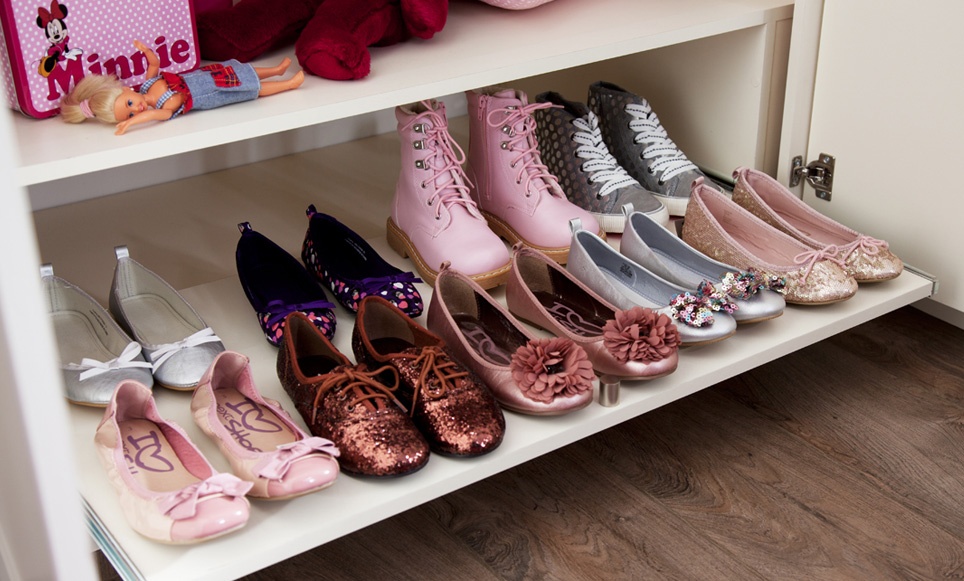
A few common mistakes trip up even experienced parents when shopping for kids’ shoes. Buying based on looks alone, without checking fit properly, often leads to a shoe that gets rejected within days.
A shoe your child refuses to wear, no matter how nice it looks, is not actually a good purchase. Fit and comfort should always come before appearance when the goal is daily, practical wear.
A shoe sitting unworn in the closet is wasted money, no matter how good the deal seemed. Fit and comfort should always come before appearance for anything meant for daily wear.
Skipping the in-store try-on in favor of online shopping can also lead to sizing surprises once the shoes arrive. Ignoring your child’s specific feedback, in favor of what looks best in photos, is another common trap.
Online shopping can still work well, but it helps to know your child’s exact measurements ahead of time. Read return policies carefully too, since a shoe that does not fit well should always be easy to send back.
Take advantage of home try-on programs when available. They let your child test the fit without pressure to keep an ill-fitting pair. Slowing down and prioritizing fit over appearance prevents most of these avoidable mistakes.
A few extra minutes spent checking fit properly saves far more time than dealing with a rejected, unworn pair later. Patience during the buying process almost always pays off once the shoes actually get worn.
The extra care taken at purchase quietly shapes how comfortable the next several months of wear will be.
Keep an Eye on Price Versus Value, and Rotate Pairs to Extend Their Life
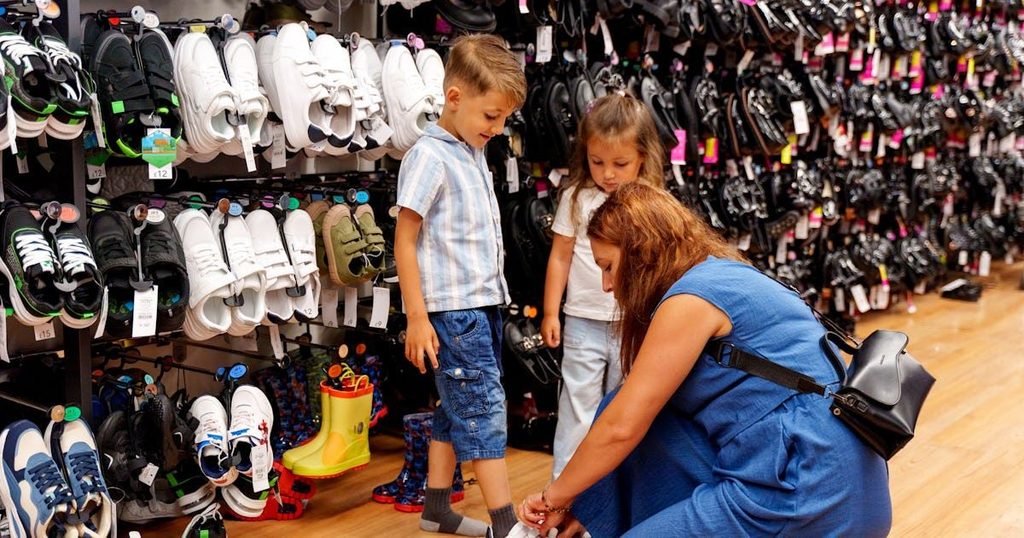
A higher price does not always mean a better, more comfortable shoe for your child. Look for genuine quality markers, like solid stitching, supportive soles, and breathable materials, rather than just a brand name.
A neighbor of mine swears by a mid-priced brand that has held up far better than pricier options. Comparing a few options before buying often reveals that the most expensive pair is not always the best choice.
Wearing the same pair every single day speeds up wear and reduces how supportive shoes stay over time. Rotating between two pairs gives each one time to air out and regain its shape between wears.
This habit also reduces bacteria and odor buildup from constant daily wear, while stretching your budget further. A simple two-pair rotation makes a noticeable difference in how long each pair lasts.
Wrapping Up
Choosing the right shoes for your child really does come down to prioritizing comfort over everything else. Measure properly, leave just enough room to grow, and match shoes to both the activity and the season.
Involve your child in the process, and pay attention to the small signs that something is not quite right. None of these habits require a large budget, just attention and a willingness to slow down before buying.
Most of the ideas in this post cost nothing at all beyond a few extra minutes of checking.
A little extra care in this one area keeps your child comfortable and confident through every part of their day. Give these habits a real try over the next few shoe purchases, and the difference will likely surprise you.
A small shift in how you shop today can mean a noticeably calmer, more comfortable child tomorrow.

