
School mornings are always busy. You don’t want to do something that takes up much of your time, especially when you are dressing kids up. A rushed, stressful morning routine sets a bad tone for the whole day ahead. The good news is that most morning stress comes from a lack of system, not a lack of effort.
A few small changes can turn a chaotic morning into something calm and predictable. Most families that struggle with mornings are missing a system, not trying hard enough. The fix usually has more to do with structure than with effort, patience, or willpower. Parents often blame themselves for a rough morning when the real problem is just a missing system. Recognizing that difference is often the first step toward actually fixing it.
A strong system starts with the wardrobe itself. The Easiest Way to Create a Capsule Wardrobe for Kids shows exactly how to build one that supports easy mornings. Once that foundation is in place, the rest of the routine becomes much simpler to manage. This post walks through practical ways to make school mornings smoother for both you and your child.
None of these ideas need a big time investment, just a bit of consistency. Small habits, repeated daily, tend to outperform big one-time efforts by a wide margin. Give each idea a real two-week trial before deciding if it works for your family.
New habits often feel clunky for the first few days before they start to click. Stick with any change long enough to see its real effect, rather than judging it after just one morning.

How to Make School Morning Dressing Easier for Kids and Parents
Why Morning Stress Usually Comes From Too Many Choices
Too many options in the closet often slow mornings down more than too few. Standing in front of a full closet, deciding what to wear, eats up more time than people realize.
A child staring at ten options often takes longer to choose than one staring at three. This is not a matter of indecisiveness, it is simply how choice works for anyone, young or old.
Reducing the number of daily options is one of the simplest ways to speed up any routine. This idea applies well beyond clothing too, but it works especially well for something as repetitive as getting dressed.
Fewer choices, made once and reused often, beat fresh decisions every single day.
Fewer, better choices almost always beat a packed closet full of possibilities. When everything in the closet already works together, decisions happen faster and with far less back and forth.
Cutting down on choice is often the fastest fix for a chaotic morning. It costs nothing and can be done in a single afternoon of closet sorting.
Set aside old, ill-fitting, or rarely-worn pieces, and keep only what your child actually reaches for. A leaner closet almost always leads to faster, calmer decisions each morning.
A closet cleared of clutter also makes laundry day simpler, since there is simply less to sort and put away. Both tasks end up feeling lighter once the closet itself is easier to manage.

Prep the Night Before, Every Time
Preparing outfits the night before removes one entire decision from the morning rush. Lay out the full outfit, including socks and shoes, before your child goes to bed.
This small habit means mornings start with getting dressed, not deciding what to wear. A calm evening choice almost always beats a rushed morning grab.
Make this a nightly habit, and mornings start to feel noticeably calmer within just a week or two. Even five minutes the night before saves far more time the next day.
This is one of the highest-value habits in this entire post, and it costs almost nothing to try. Parents who stick with this habit for a full month rarely go back to skipping it.
Once you feel the difference on a rushed weekday morning, the small evening effort starts to feel completely worth it. It becomes less of a chore and more of a habit you actually look forward to.

Keep a Small Rotation of Reliable Outfits
A small set of go-to outfits saves you from reinventing the routine every single morning. How to Make Your Child’s Everyday Outfits Look More Put Together explains how a few solid combinations can carry most of the week.
Rotate through these reliable outfits, rather than trying something new when time is already tight. Save more creative choices for weekends, when there is room for a bit of trial and error.
A reliable rotation keeps mornings predictable, which is exactly what a busy school day needs. Predictability removes a lot of the friction that builds up during a rushed routine.
When a child already knows roughly what they will wear, there is less room for last-minute negotiation. That predictability benefits parents just as much as it benefits kids.
Parents also get to start their own morning with less to manage, which sets a calmer tone for everyone. A predictable routine tends to lower stress on both sides of the morning handoff.

Build a Formula Your Child Can Follow Alone
An outfit formula takes the guesswork out of getting dressed, for both you and your child. How to Create a Simple Outfit Formula Your Child Can Dress Themselves In walks through building a system that works daily.
Once the formula is set, older kids can dress themselves with very little guidance needed. This independence saves you time and builds confidence in your child at the same time.
A clear formula turns a stressful task into something almost automatic. Once your child memorizes the pattern, they rarely need reminders at all. Most kids pick up a simple formula within a couple of weeks of steady repetition.
After that, dressing becomes something they do on autopilot, without needing much input from you.
That freedom gives you more time to focus on breakfast, packing bags, or simply enjoying a calmer start yourself. A formula that works well truly does pay off for the whole household.

Organize the Closet for Speed, Not Just Neatness
A neat closet is nice, but a closet organized for speed matters more on a busy morning. Group clothes by outfit or by type, so your child can find what they need quickly.
Keep everyday items at your child’s eye level, rather than tucked away out of reach. A closet built for speed cuts down on searching, which is often the biggest time drain in the morning.
Spend a few minutes organizing once, and mornings run smoother for weeks afterward. A well-organized closet also makes it easier for your child to help themselves.
Group similar items together, and use bins or labels for anything a younger child might struggle to find. A closet organized this way turns into a tool your child can use on their own.
That independence saves you from being needed for every single step of the morning routine. Over time, your role shifts from doing the task to simply overseeing it.

Lay Out Everything, Shoes Included
Shoes often get forgotten until the very last minute, which can derail an otherwise smooth morning. How to Choose Shoes That Keep Kids Comfortable All Day helps you pick pairs that work with several outfits.
Include shoes in your night-before prep, right alongside the rest of the outfit. This small addition prevents the classic last-minute scramble to find a matching pair.
A complete outfit, shoes included, means nothing gets left to chance in the morning rush.
Missing shoes are one of the most common causes of a delayed morning departure. A five minute search for a lost shoe can undo all the time saved elsewhere in the routine.
Keep a designated spot by the door where shoes always live, so the search never happens at all. A simple shoe rack or basket by the entryway works well for most families.
This one small change can eliminate one of the most common morning delays entirely.
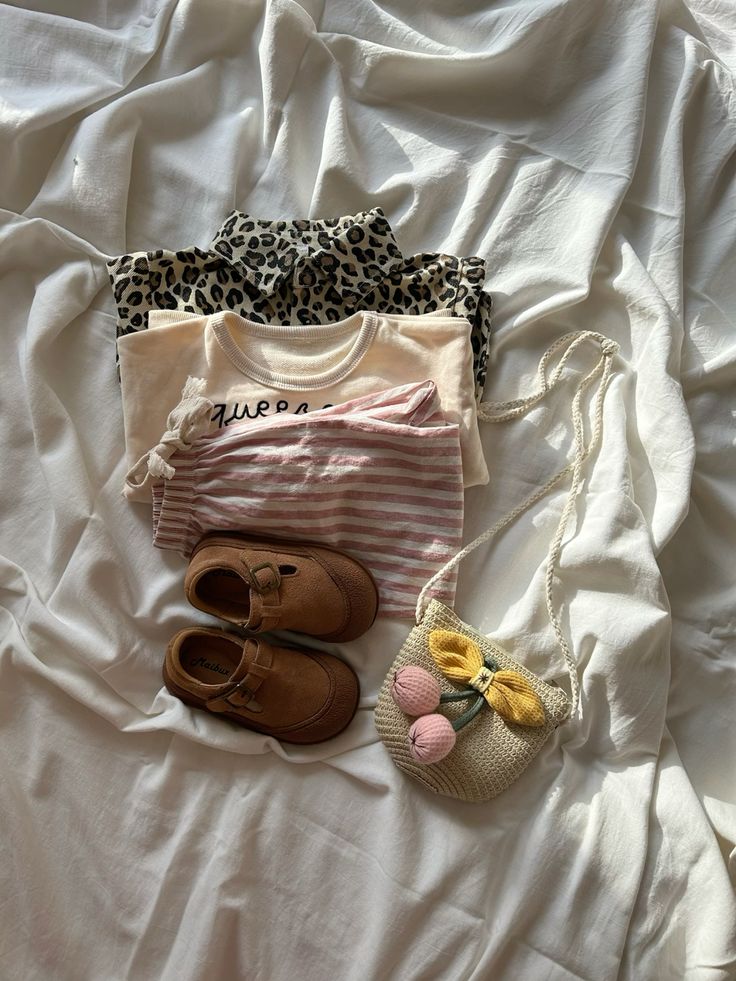
Match Clothes to the Season in Advance
Seasonal changes can quietly slow mornings down if your child’s wardrobe is not ready for the weather. How to Dress Your Child for Different Seasons Without Buying Too Many Clothes explains how to plan ahead.
Rotate seasonal items into the active closet before the weather actually changes, not after. This keeps you from scrambling to find a coat buried in storage on the first cold morning. A little seasonal planning goes a long way toward keeping mornings predictable all year.
A quick seasonal swap, done once, saves you from repeating that scramble every single morning that week. Doing this swap on a weekend, rather than a weekday, keeps the task calm and unhurried.
It also gives you a clear picture of what still fits before the season fully arrives. This picture helps you shop with purpose, rather than guessing what your child might need later.
A clear seasonal picture also prevents the frustration of an unexpected fit issue on a busy morning.

Keep Comfort at the Center of Every Choice
An outfit that looks fine but feels uncomfortable can cause its own kind of morning meltdown. How to Dress Kids Stylishly Without Sacrificing Comfort explains how to avoid this problem from the start.
Choose soft fabrics and proper fits for your go-to rotation, so comfort is never a source of complaint. A comfortable child gets dressed faster and with far less resistance overall. Comfort should guide your morning choices just as much as speed does.
A scratchy tag or a stiff waistband can turn a quick morning into a slow, frustrating one. Small discomforts like these are easy to overlook until your child is already fussing about wearing them.
A quick check for tags, seams, and fit before a piece joins the rotation prevents this entirely. This small screening step takes only a moment but saves you from a whole category of morning complaints.
Comfort checked in advance is always easier than comfort fixed in a rush. Building this small habit into your shopping routine pays off every single morning that piece gets worn.

Simplify Hair the Same Way You Simplify Clothes
Hair can either speed up or slow down a morning, depending on how much thought went into the routine. The Ultimate Guide to Choosing Hairstyles for Different Kids’ Hair Lengths helps you pick styles that suit your child.
Pick two or three simple, reliable hairstyles that do not require much daily effort. A quick, familiar style beats trying something new and complicated on a rushed school morning. Treat hair as part of the same system as clothing, not as a separate task.
Pairing a simple hairstyle with a simple outfit formula keeps the whole morning moving at the same steady pace. When both systems work together, nothing in the routine becomes the unexpected bottleneck.
A synced routine like this often shaves several minutes off the total morning time. Those saved minutes add up over a full school year into real, noticeable time back for your family.
Small efficiencies like this are often the difference between a calm morning and a rushed one.

Plan Around Protective Styles Ahead of Time
Protective styles can actually make mornings much easier, once they are properly installed and settled. What Every Parent Should Know Before Choosing Protective Hairstyles for Kids covers what to think through before committing to one.
A well-installed protective style removes daily hair styling from the morning routine entirely. This extra time can go toward breakfast, packing bags, or simply moving a little slower. Planning hair care around the school calendar saves real time during the busiest weeks.
Scheduling a fresh style right before a busy stretch pays off across several mornings at once. Timing a new style to land just before a heavy school week gives you the most benefit from it.
A little bit of planning here turns hair care into a time-saver, not an extra task. Thinking about hair the same way you think about outfits keeps the whole morning system consistent. One less thing to plan each morning is one less thing that can go wrong.
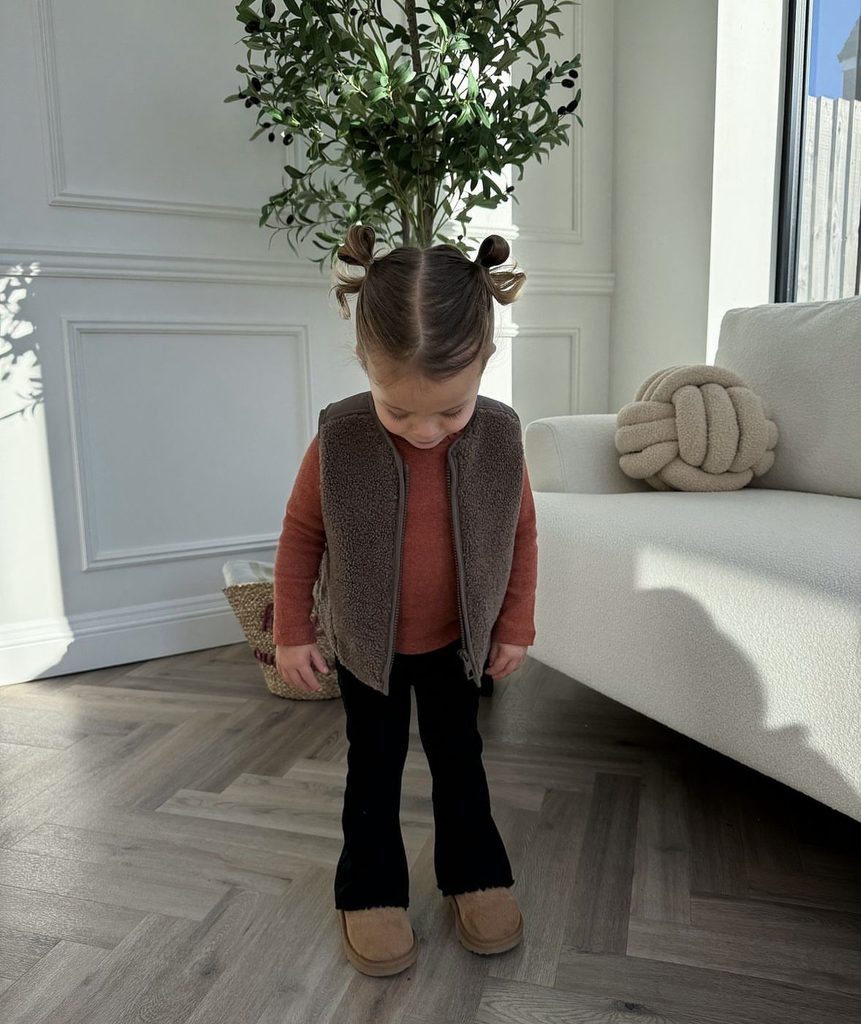
Watch for Growth That Slows You Down
Outgrown clothes can quietly add extra minutes to a morning, especially when a favorite piece no longer fits right. What to Know Before Buying Clothes for Kids Who Grow Quickly explains how to stay ahead of this issue.
Check your child’s go-to rotation regularly, so nothing in it has secretly become too small. A rotation full of properly fitting clothes moves much faster than one full of surprises.
A quick check now prevents a frustrating discovery in the middle of a rushed morning.
Set a reminder every month or two to check that everything in the rotation still fits. Growth spurts can happen quietly, so a scheduled check catches problems before they show up mid-morning.
This habit takes only a few minutes but prevents a whole category of morning surprises. Growth is often gradual enough that it sneaks up on even attentive parents. A scheduled check removes the guesswork and keeps the rotation genuinely reliable.
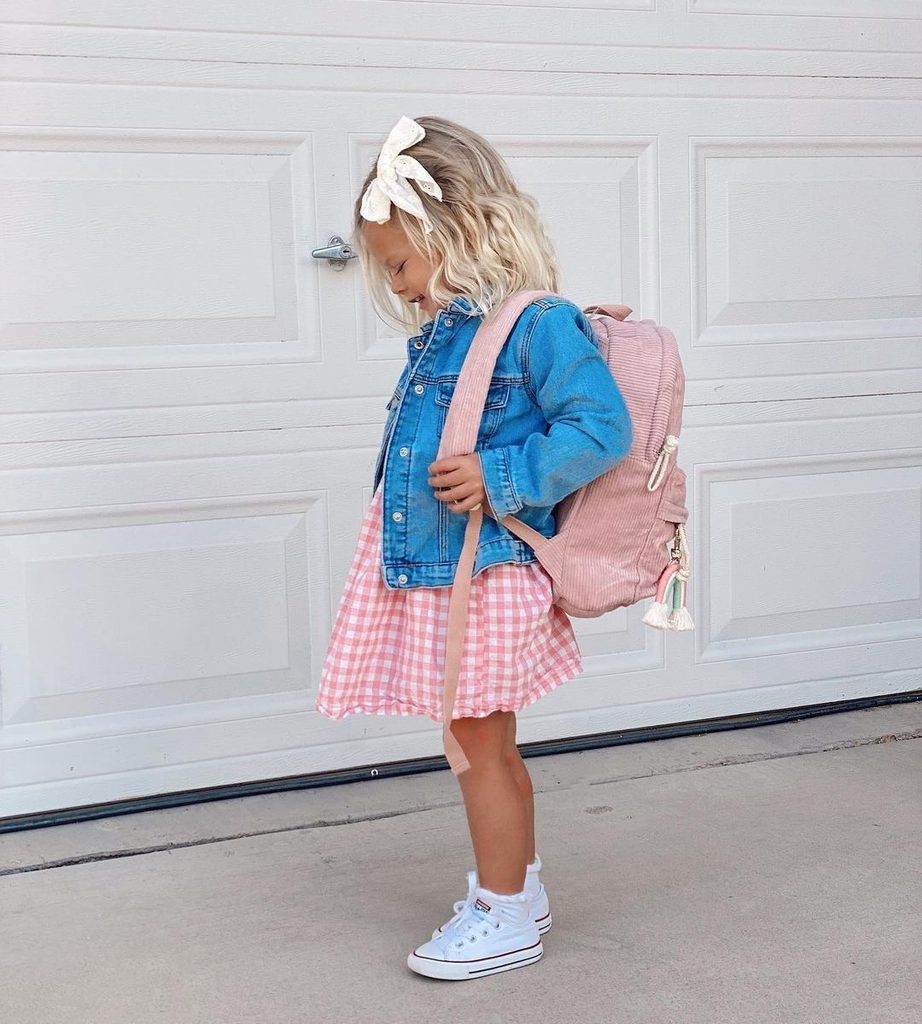
Give Your Child Some Control Over Choices
Kids get dressed faster when they feel some ownership over what they are wearing. Offer two or three approved options, rather than deciding everything for them.
This small bit of control cuts down on resistance and complaints during the morning routine. A child who feels involved tends to cooperate more than one who feels entirely managed.
A little choice goes a long way toward a smoother, calmer morning for everyone. Even choosing between two shirts gives a child a real sense of ownership over their morning.
That sense of ownership tends to reduce power struggles significantly, since the child feels heard rather than dictated to. Small, low-stakes choices like this cost you nothing and pay off in cooperation.
My niece picks her own socks every morning. That one small choice keeps her happily engaged in the rest of the routine.
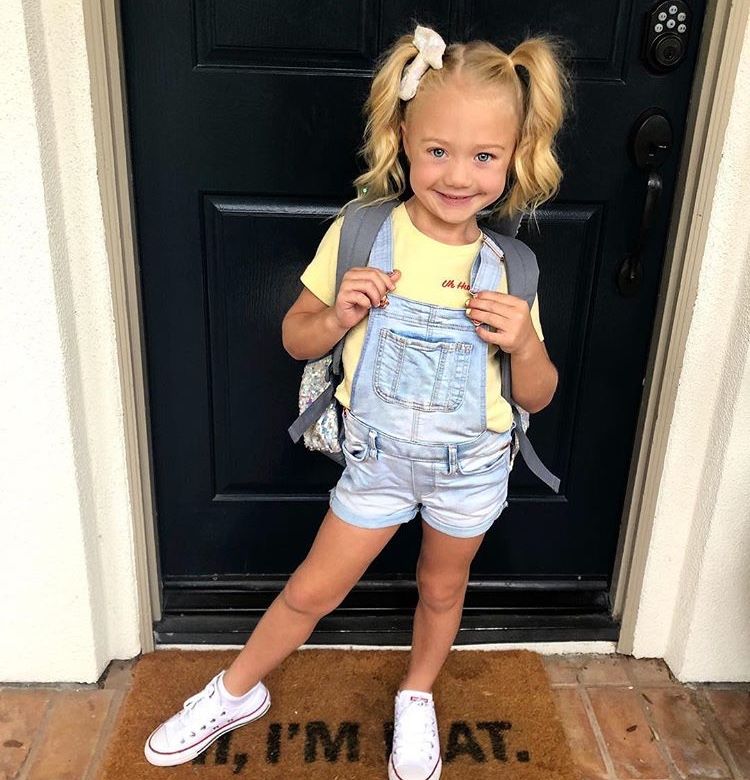
Set a Realistic Time Frame for Getting Dressed
Give getting dressed its own dedicated slot within your morning schedule, rather than squeezing it in randomly. Ten to fifteen minutes is usually enough once a good system is in place.
Knowing exactly how much time is allotted helps everyone move with purpose, rather than drifting through the morning. A clear time frame also makes it easier to notice when something is taking longer than it should.
Structure, even a loose one, keeps the whole morning on track. A rough sense of timing is often enough, without needing a strict stopwatch approach.
What matters most is that everyone has a shared sense of how long getting dressed should take. That shared expectation alone often speeds things up without any extra effort.
A child who knows roughly how much time they have tends to move with more purpose than one left open-ended. Clear expectations, even loose ones, tend to work better than none at all.

Handle Meltdowns Without Losing the Whole Morning
Even with a good system, some mornings still come with resistance or meltdowns over what to wear. Stay calm, offer a quick alternative, and avoid turning it into a bigger battle than it needs to be.
A five minute delay is manageable, but a drawn-out argument can throw off the entire morning. Keeping a spare backup outfit on hand gives you an easy way to move past a sudden refusal.
A calm response usually resolves these moments faster than a frustrated one ever could. Raising your own voice rarely speeds things up and often makes the standoff last longer.
Staying calm models the exact behavior you want your child to learn for handling frustration. Kids absorb far more from how a parent reacts than from what is actually said in the moment.
A steady response teaches a lesson that lasts well beyond the outfit itself. A steady, patient tone usually gets a child moving faster than a raised one ever does.

Keep a Backup Plan for Laundry Day Gaps
Laundry day can quietly disrupt even the best morning system if a go-to piece is not clean. Keep one or two backup outfits set aside specifically for these gaps.
This small buffer means a missing favorite shirt does not turn into a full morning crisis. Rotate your backup pieces occasionally, so they stay just as reliable as your main rotation.
A little redundancy in the system prevents one small laundry mishap from derailing the whole morning. Two or three backup outfits are usually enough to cover most gaps.
Keep these pieces separate from the main rotation, so they are always available when needed. Check on them occasionally too, since they still need to fit as your child grows.
Rotate a backup out once it starts feeling snug, and replace it with something that still fits comfortably. Keeping this small reserve current means it is always ready when you actually need it.

Build a Simple Checklist for the Whole Routine
A short checklist can help everyone stay on track without needing constant reminders from you. Include outfit, shoes, hair, and anything else your child needs before heading out the door.
Post it somewhere visible, like the back of a closet door or the bathroom mirror. A visible checklist also gives older kids a way to manage their own morning independently.
This small tool keeps the whole routine consistent, even on days when everyone feels a bit more rushed. A simple list removes the need for constant verbal reminders.
Kids who can read tend to enjoy checking items off themselves, which adds a small sense of accomplishment. Even a picture-based checklist works well for younger children who are not reading yet.
Simple icons for shirt, pants, shoes, and hair work just as well as written words. This small adjustment makes the checklist useful for the whole family, no matter each child’s age.

Make It a Team Effort, Not a Solo Job
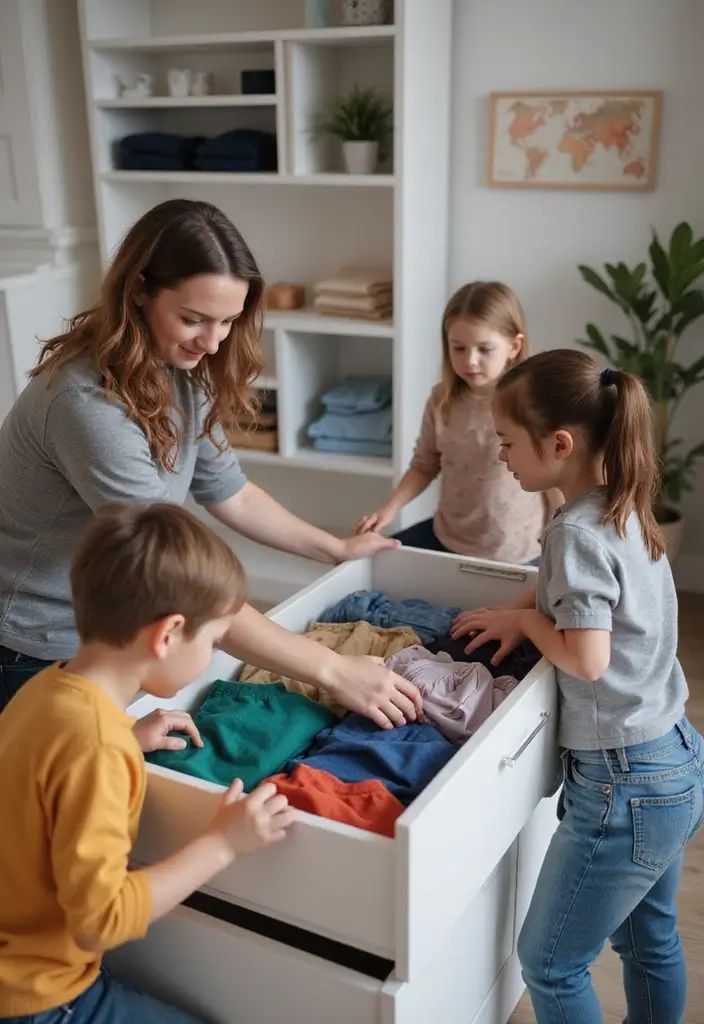
Morning routines run smoother when more than one person shares the responsibility. Involve your child in as much of the process as their age allows, from picking clothes to putting on shoes.
Older siblings can also help younger ones, which builds responsibility while lightening your own load. A shared routine feels less like a chore and more like a normal part of the family’s morning rhythm.
Spreading the task out, even slightly, makes mornings feel far less like a race against the clock. A team approach also teaches kids that everyone contributes to how the morning goes.
This lesson carries well beyond mornings, into how a child contributes to shared tasks generally. A family that shares small daily tasks tends to handle bigger challenges more smoothly too.
Cooperation built through everyday routines tends to carry over into bigger moments down the road. It is a small investment with a payoff that extends well past the closet.

Use Weekends to Reset the Whole System
Weekends give you a chance to reset the entire routine before the school week starts again. Do a quick laundry check, restock the go-to rotation, and confirm shoes are clean and ready.
My neighbor spends fifteen minutes every Sunday evening laying out the week’s outfits with her daughter. That small weekly habit means Monday mornings start calm instead of chaotic.
A short weekend reset keeps the whole system running smoothly, week after week, without much ongoing effort. It also gives you a chance to catch any fit or comfort issues before the school week begins.
Putting Everything Together
Making school mornings easier really comes down to preparation, structure, and a few reliable habits. Prep outfits the night before, keep a small rotation of go-to pieces, and build simple formulas your child can follow.
Watch for growth, plan around the seasons, and give your child a bit of control over their own choices. None of these habits require a complete overhaul of how your family already operates.
Add them one at a time, and let each one settle before introducing the next.
A calm, predictable system turns rushed mornings into something manageable for the whole family. Start with just one or two of these habits, and add more once they start to feel natural.
Within a few weeks, most families notice a real, lasting difference in how mornings actually feel. What once felt like a daily battle slowly turns into a routine nobody even thinks twice about.

