
Are you looking for how to pair kids’ clothes to give you the look you want? A lot of parents wonder the exact same thing every morning. Getting outfits to look put together does not need a big budget or hours of effort. It comes down to a handful of small, repeatable habits anyone can learn.
Small choices, made consistently, make the biggest difference over time. A tiny habit repeated daily builds up to a wardrobe that always looks intentional. It also helps to start from a solid base. The Easiest Way to Create a Capsule Wardrobe for Kids walks through exactly how to build one.
Once that base is in place, styling becomes much simpler. You are no longer starting from scratch every single morning. This post breaks down the small habits that make everyday outfits look sharp, without adding extra work to your day. Each habit takes only a moment once it becomes routine.

How to Make Your Child’s Everyday Outfits Look More Put Together
Start With a Few Key Basics
Every put-together look starts with a strong set of basics. Plain tees, simple leggings, and solid pants form the base of most outfits. These pieces do not steal attention, which lets other elements of the outfit stand out instead.
A quiet base makes every extra piece look more deliberate. Think of basics as the frame that holds the rest of the outfit together. A strong frame makes everything placed inside it look better.
Buy basics in colors that work with almost everything else in the closet. This one habit saves you from constant mismatched mornings. Once your basics share a color story, mismatches become far harder to create by accident.
Once you have a few strong basics on hand, building any outfit gets simple. This is often the single biggest time-saver in the whole process. You just add one or two extra pieces on top.
This approach saves time and keeps the whole wardrobe easier to manage daily. A manageable wardrobe also means less laundry sorting and fewer decisions overall. Fewer decisions each morning means more energy left for everything else.

Stick to a Simple Color Palette
A limited color palette makes outfits look coordinated without much thought. Pick two or three main colors, then build most pieces around those choices.
Neutral tones like white, grey, and navy pair easily with almost any accent color you add. These colors rarely clash, no matter what accent piece you bring in.
This does not mean every outfit looks the same. Small swaps in accent pieces keep things feeling fresh within the same simple palette.
A new accent color can make a familiar outfit feel brand new. It just means every piece already works with everything else in the closet.
A simple palette removes the guesswork from matching clothes each morning. That alone saves real time during busy weeks. Busy weeks are exactly when a simple system proves its worth the most.
Master the Art of Matching Prints and Solids
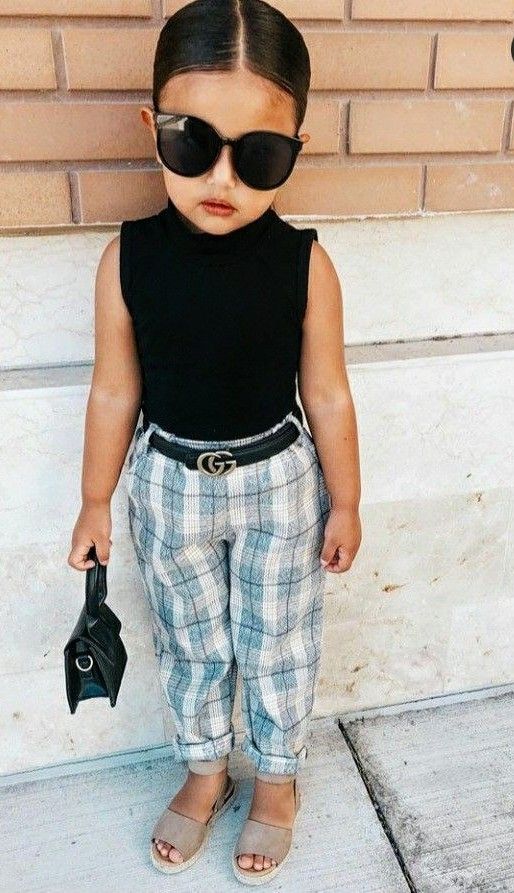
Pairing a printed piece with a solid one usually looks better than combining two busy patterns. A striped shirt with plain pants looks far cleaner than stripes paired with polka dots.
Busy pairings tend to compete for attention instead of working together. One clear focal point almost always reads better than several competing ones.
If your child loves patterns, let one piece carry the print while everything else stays simple. This gives the pattern room to stand out instead of competing with other prints.
This one small rule prevents outfits from looking cluttered or mismatched. It is one of the simplest styling rules to remember and apply.
Once you notice it, you will start spotting it in other outfits too. Over time, your child will start to notice this pattern too. That makes future outfit choices easier for both of you.

Layer With Purpose, Not Just for Warmth
Layering adds visual interest to an outfit, beyond just keeping your child warm. A light jacket over a simple dress instantly makes the whole look feel more finished.
The same trick works with a cardigan over a basic tee. Both add a finished look without needing a whole new outfit underneath.
How to Dress Your Child for Different Seasons Without Buying Too Many Clothes explains how to plan smart layers all year. Choose layers that add color or texture, rather than just bulk.
A bulky layer can hide the shape of an outfit instead of adding to it. A well-chosen layer can turn a plain outfit into something that looks styled with almost no extra effort.
It is one of the easiest upgrades available. A single layer can shift an outfit from plain to polished in seconds.

Use Accessories to Elevate a Simple Outfit
Small accessories can transform a basic outfit without much cost or effort. A colorful hat, a simple necklace, or patterned socks all add a bit of flair. These small items are also easy and cheap to swap out often.
Rotating a few small pieces keeps a small wardrobe feeling larger than it is. Keep accessories minimal though, since too many at once can look busy instead of polished.
Restraint here usually looks more intentional than piling everything on. Less really can look like more when it comes to styling choices. Pick one or two standout pieces per outfit, not five.
This keeps the eye focused rather than pulled in too many directions. A focused look always reads as more deliberate than a busy one.
This small habit keeps the whole look intentional, rather than cluttered. It still lets your child express their own personal style.

Pay Attention to Proportions
Proportion plays a bigger role in how put-together an outfit looks than most parents realize. Pairing a loose top with fitted bottoms, or the reverse, usually looks cleaner than loose paired with loose.
Balance between fitted and loose pieces creates a more finished silhouette. This balance is one of the fastest ways to make a plain outfit read as styled. Rolled cuffs, tucked shirts, or cinched waists can also help balance an outfit visually.
These tricks take almost no time but change the whole shape of a look. A single roll or tuck can completely change how an outfit sits. These small adjustments take seconds but change how finished an outfit appears.
A single tucked shirt can turn a plain outfit into something more polished. Small tweaks like this take almost no extra time in the morning.
Once you start noticing proportion, it becomes second nature when picking pieces for your child each morning. It stops feeling like a rule and starts feeling like instinct. Most parents reach this point after just a few weeks of paying attention.
Coordinate Shoes With the Rest of the Outfit
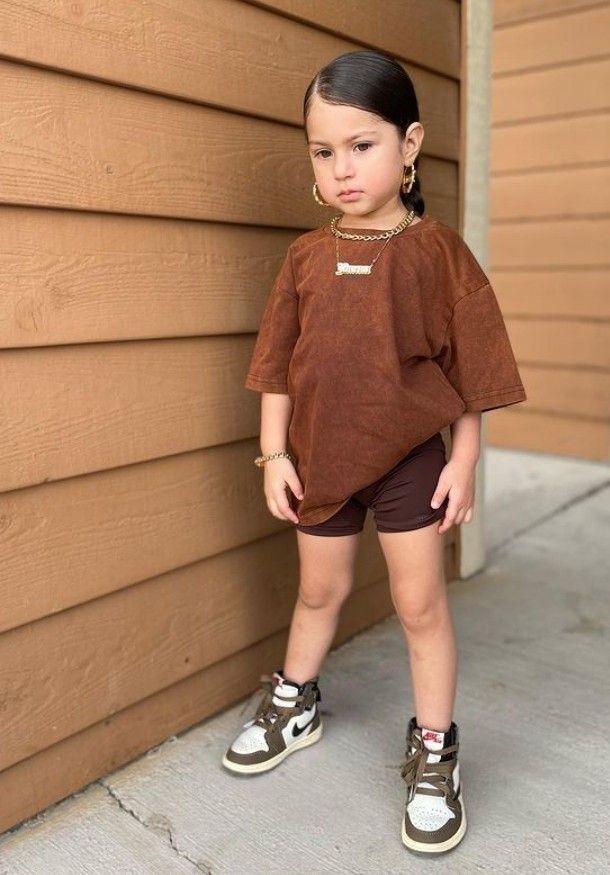
Shoes tie an outfit together, even though they often get picked last. Mismatched shoes can throw off an otherwise well-planned look. Bright, clashing shoes can pull focus away from a carefully chosen outfit.
Even a great outfit can look unfinished with the wrong pair of shoes underneath. How to Choose Shoes That Keep Kids Comfortable All Day helps you find pairs that work with several outfits at once.
Stick to a few versatile pairs in neutral colors, so they match almost everything else your child wears. White, black, and brown shoes usually cover most outfit needs.
A single colorful pair can still be added for special days without breaking the system. This small step ties the whole outfit together without needing a shoe for every single look.
Fewer, better pairs almost always beat a closet full of single-use shoes. Quality over quantity applies here just as much as it does with clothing.

Don’t Forget Comfort While Styling
A put-together look still needs to feel good, not just look good in photos. How to Dress Kids Stylishly Without Sacrificing Comfort explains how to balance both goals at once.
Scratchy fabric or a stiff collar can ruin an outfit no matter how stylish it looks. A child fidgeting with discomfort rarely looks as put together as planned. Always check comfort before finalizing any outfit choice.
A quick feel of the fabric and a test sit can catch most problems early. It only takes a few seconds but saves a whole day of discomfort.
A child who feels good in their clothes carries themselves with more confidence. That confidence makes the whole outfit look even better.
Add Texture for Visual Interest
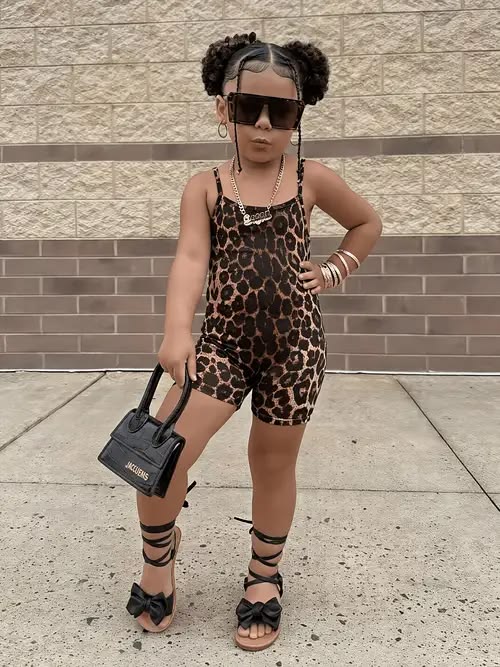
Mixing textures adds depth to an outfit without needing extra colors or patterns. A knit sweater over a smooth cotton shirt creates contrast that feels intentional. Mixing rough and smooth textures adds depth without needing extra colors.
This trick works even within a completely neutral color palette. Corduroy, denim, and soft knits all pair well together within a simple color palette. These fabrics naturally complement each other across most seasons.
Keeping a few of each on hand covers most texture needs year round. This trick works especially well during cooler months, when layering naturally invites more texture into an outfit.
Warmer months call for lighter textures like cotton and linen instead. Matching texture to season keeps outfits comfortable as well as visually interesting.
Texture is a simple, often overlooked way to make a basic outfit feel more thoughtfully put together. It is one of the easiest styling tricks to master.

Keep Hair in Mind as Part of the Look
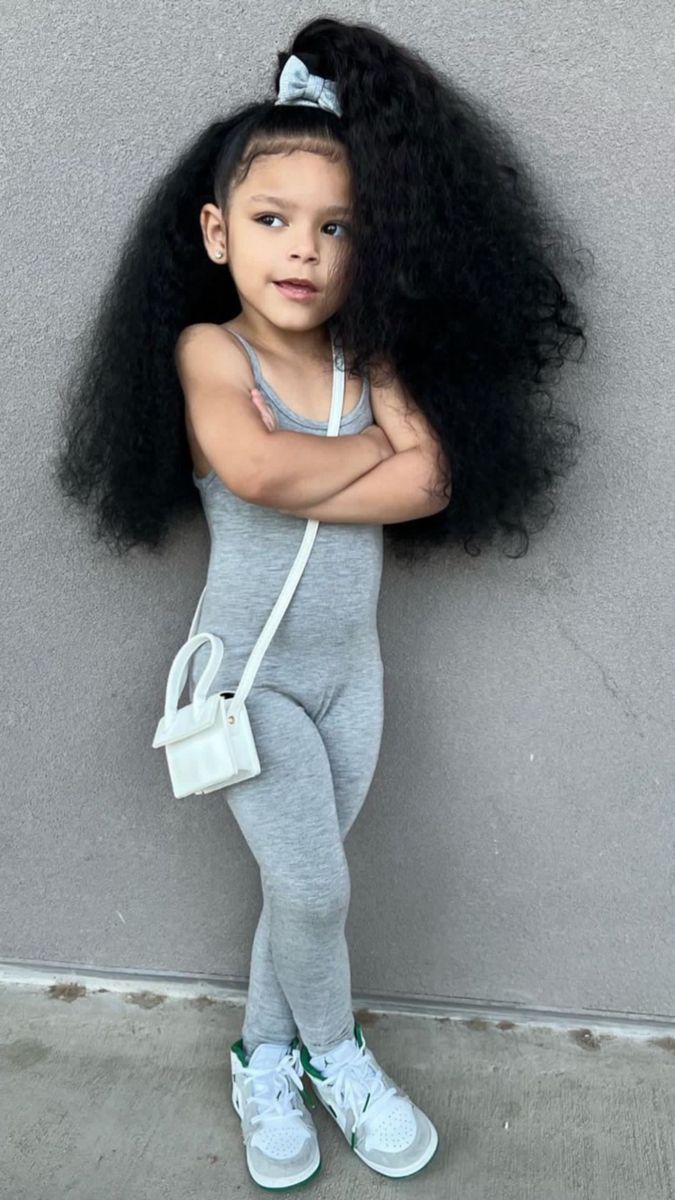
An outfit is not fully complete without hair that matches the overall style. A neat hairstyle finishes a look the same way a good pair of shoes does. Messy or unplanned hair can undercut even the best outfit choice.
A quick brush or a simple tie can make a real difference in how finished a look feels. If your child wears protective styles, What Every Parent Should Know Before Choosing Protective Hairstyles for Kids covers what to think through first.
For other hair types, The Ultimate Guide to Choosing Hairstyles for Different Kids’ Hair Lengths offers simple styling ideas that fit right into a daily routine.
A coordinated hairstyle pulls the whole outfit together in a way clothes alone cannot. It is often the final detail that makes a look feel complete. Skipping this step can leave an otherwise great outfit feeling unfinished.
Build a Go-To Formula for Busy Days
A simple outfit formula makes looking put together easy, even on your busiest mornings. Pick one top, one bottom, and one pair of shoes that always work well together.
This removes the daily decision entirely, since the pieces already match. It works especially well for kids who resist getting dressed most mornings.
How to Create a Simple Outfit Formula Your Child Can Dress Themselves In breaks this process down step by step. Once the formula is set, your child can dress confidently without needing daily guidance.
Confidence grows fast once they know every combination already works. That confidence often shows in how they carry themselves throughout the day. Confidence, in the end, is part of what makes an outfit look truly put together.
This system keeps outfits looking coordinated, even when time is short. Busy mornings no longer mean a rushed, mismatched outfit. The system does most of the work before the morning even begins.

Prep Outfits the Night Before
Planning outfits ahead of time removes the rush and stress of morning decisions. Lay out the full outfit, shoes included, the night before school or outings.
This small step removes almost all decision-making from the morning rush. How to Make School Morning Dressing Easier for Kids and Parents shares more tips that work well alongside this habit.
This small step prevents mismatched, thrown-together looks born out of morning rush. A calm evening choice beats a rushed morning grab every time.
Evenings usually offer more patience and less pressure than a rushed morning. That calmer setting almost always leads to better outfit decisions overall.
A few minutes of prep the night before saves a much more stressful scramble the next morning. It also gives your child a say in the outfit without holding up the morning.
Shop With Growth in Mind
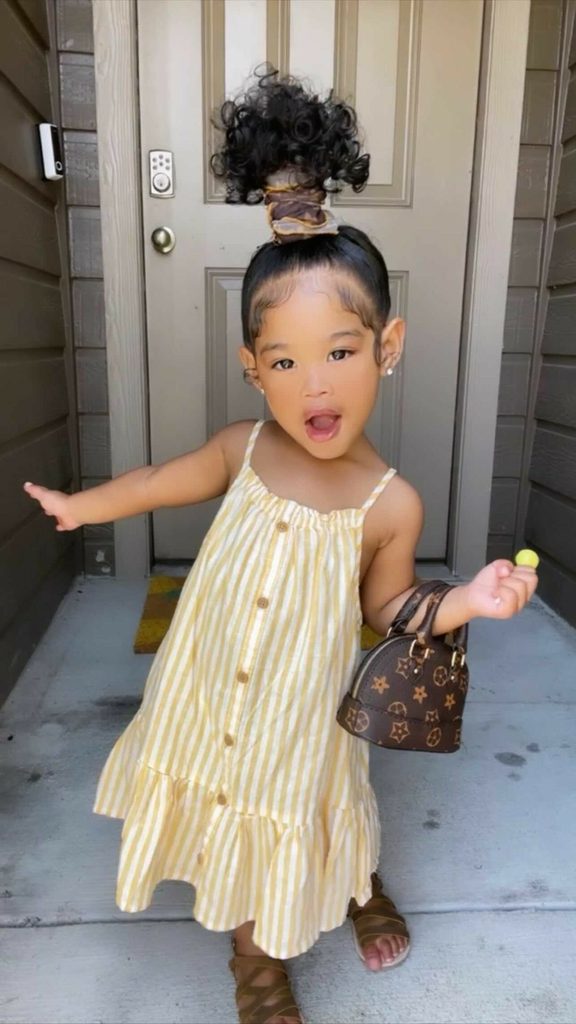
Fast growth can quietly ruin how put together an outfit looks, even with great planning. Clothes that no longer fit right can look sloppy, no matter how nice the pieces are individually.
A too-short sleeve or a snug waistband undercuts even the best styling choices. Fit issues are often more noticeable than any styling mistake.
What to Know Before Buying Clothes for Kids Who Grow Quickly explains how to shop smarter around this issue. Check fit regularly, since outgrown clothes often show up in subtle ways first.
A hemline creeping up or a shirt pulling at the shoulders are early warning signs. Catching these signs early keeps the whole wardrobe looking sharp. A quick monthly check is often all it takes to stay ahead of growth spurts.
A well-fitting basic always looks sharper than an ill-fitting trendy piece. Fit matters more to the overall look than the piece’s price or trend status. This is worth remembering the next time a sale tempts you toward a trendy buy.
Mix Old and New Pieces Together
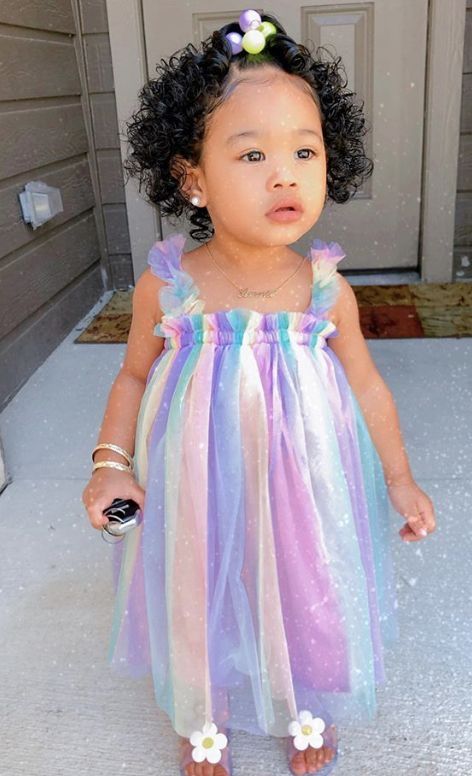
You do not need an entirely new wardrobe to look put together each season. Mixing a few new pieces with older favorites often looks more natural than an all-new outfit.
Familiar pieces also tend to be the ones your child feels most comfortable wearing. Comfort with a piece often shows in how confidently a child wears it.
My neighbor does this well, pairing one new item with pieces her daughter already owns and loves. This approach also stretches your budget further, since you are not replacing an entire wardrobe at once.
Small, regular additions add up to a fresh wardrobe over time. This steady approach beats a big, expensive shopping trip every few months. It also keeps your child from outgrowing a whole new wardrobe too quickly.
A few thoughtful additions can refresh an entire closet without much extra spending. One new piece can often make several older ones feel new again. This small trick keeps a wardrobe feeling current without constant spending.
Let Your Child’s Personality Shine Through
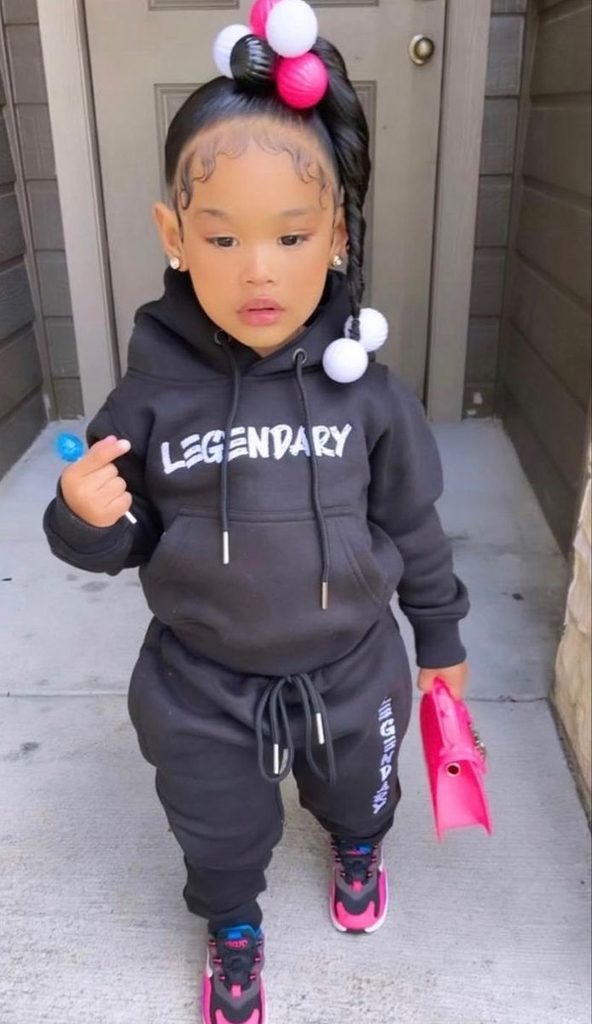
A put-together look should still feel like your child, not just a styled version of someone else. Let their favorite colors, characters, or interests show up somewhere in the outfit.
This keeps the outfit feeling personal, not just carefully arranged. Personality is part of what makes a look feel like it truly belongs to your child. This keeps them engaged and excited about getting dressed each day.
A child who feels represented in their clothes tends to enjoy the whole process more. That enjoyment often shows up as less resistance during dressing time.
My sister always lets her son wear one dinosaur item somewhere in his outfit, no matter the occasion.
A little personality mixed into a coordinated look keeps outfits feeling authentic, not forced or overly styled. That authenticity is often what makes an outfit feel truly finished.

Avoid Common Styling Mistakes
A few small mistakes can quietly undo an otherwise well-planned outfit. Too many patterns at once, mismatched formality, or clashing colors are common culprits. These issues are usually easy to fix once you know to look for them.
A quick second look before leaving the house catches most of them. Stepping back and looking at the full outfit together, rather than piece by piece, helps catch these issues.
A quick glance in the mirror often reveals more than checking each item alone. The full picture always tells you more than individual pieces. Take a quick photo before heading out if you are unsure.
Photos often reveal problems you miss in the moment. Small adjustments here can make a big difference in the final result.
A single swapped piece can turn a mismatched outfit into a coordinated one. Sometimes one small swap is all it takes to fix a look.
Practice Makes It Easier Over Time
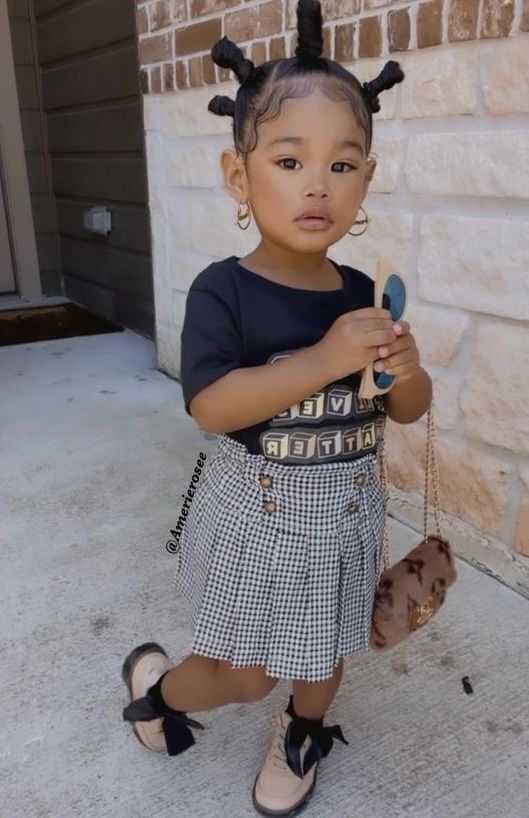
Styling outfits gets easier the more you do it, just like any other skill. Early outfits may take more thought, but patterns and preferences become clear fast.
Most parents notice real improvement within just a few weeks of practice. Confidence in styling builds quietly, without much conscious effort involved.
Keep note of combinations that work well, so you can repeat them without starting from scratch each time. A simple photo log on your phone works well for this. Flipping back through it saves time on busy mornings when inspiration runs low.
Over a few weeks, most parents develop a natural sense of what works for their child. This skill saves time and stress well beyond just the outfits you plan today.
It carries over into shopping trips, packing for travel, and planning for new seasons. The same eye for what works applies everywhere clothing decisions come up.
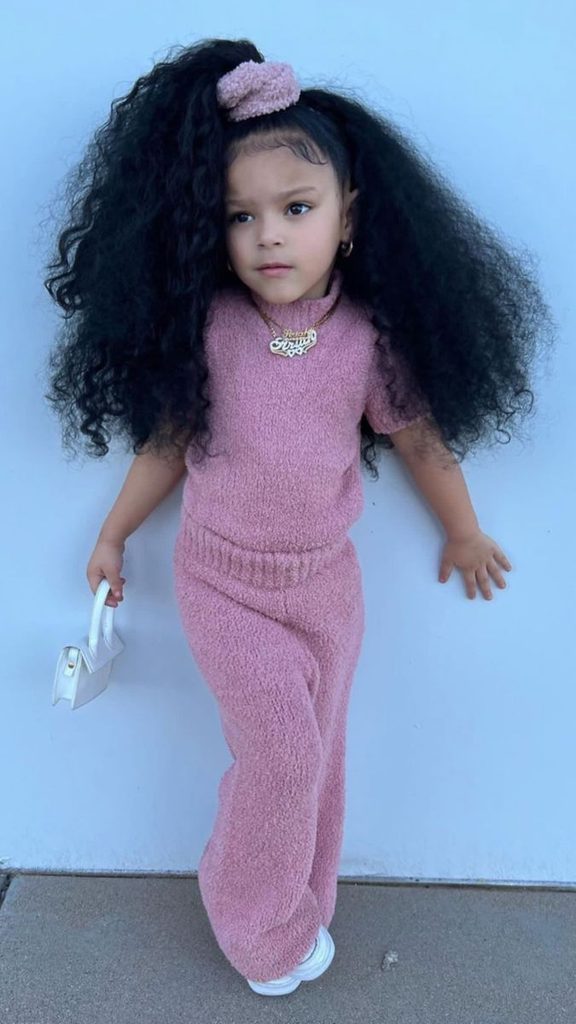
Putting Everything Together
Making your child’s everyday outfits look more put together comes down to a few simple habits. None of them require expensive clothes or complicated styling knowledge.
Build around solid basics, stick to a simple color palette, and pay attention to fit and proportion. These three habits alone cover most of the work. Small touches, like accessories, texture, and coordinated shoes, pull the whole look together.
Each small detail adds up to a bigger, more polished result. Involve your child’s personality so outfits still feel like them, not just styled for appearance. A look that feels authentic always beats one that feels forced.
Once these habits become routine, looking put together takes barely any extra time or effort each day. Give it a few weeks, and it will feel completely natural.

