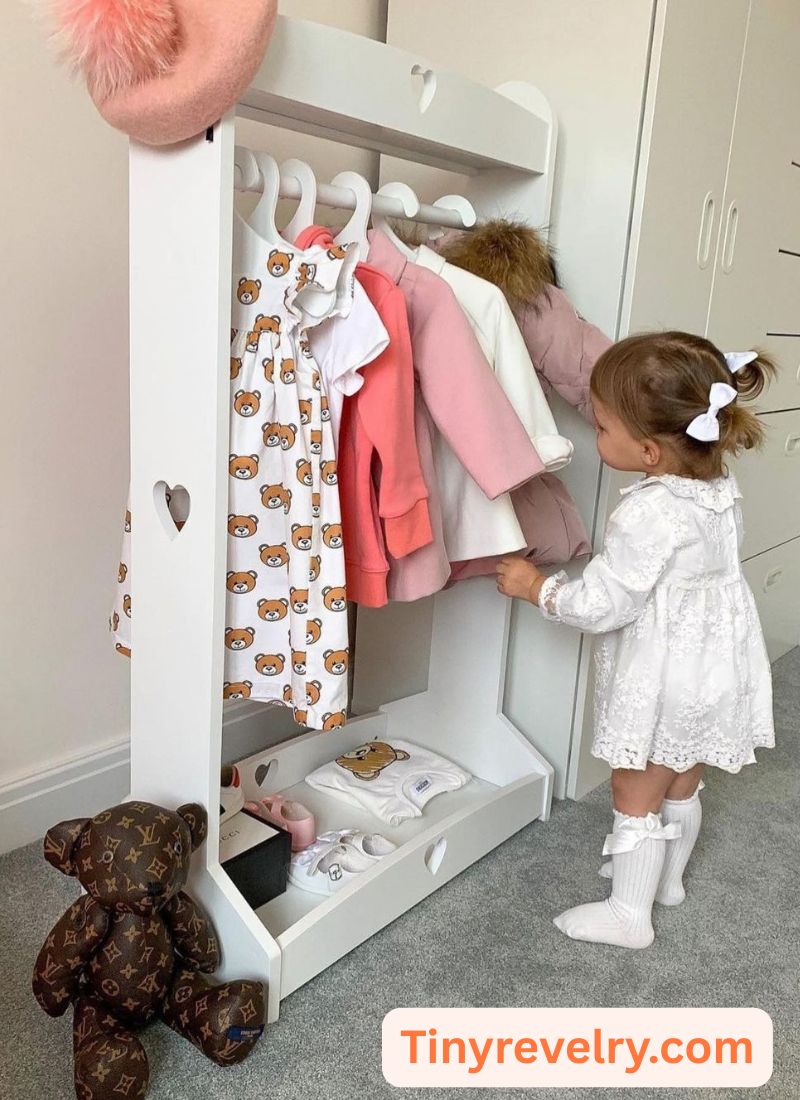
Creating an outfit formula helps your child dress themselves well. It works even when you are not around or when you are busy. A formula takes the guesswork out of getting dressed, for both of you. It removes the daily back and forth over what goes with what.
This small shift changes how the whole morning feels, not just how fast it moves. A predictable start to the day tends to carry a calmer tone into everything that follows it.
A formula works best when it is built on a solid base. The Easiest Way to Create a Capsule Wardrobe for Kids shows exactly how to set that foundation. Once the wardrobe itself is simple, building a formula on top becomes easy. This post walks through how to create a formula your child can actually use on their own. None of this requires a big overhaul, just a clear structure applied consistently.
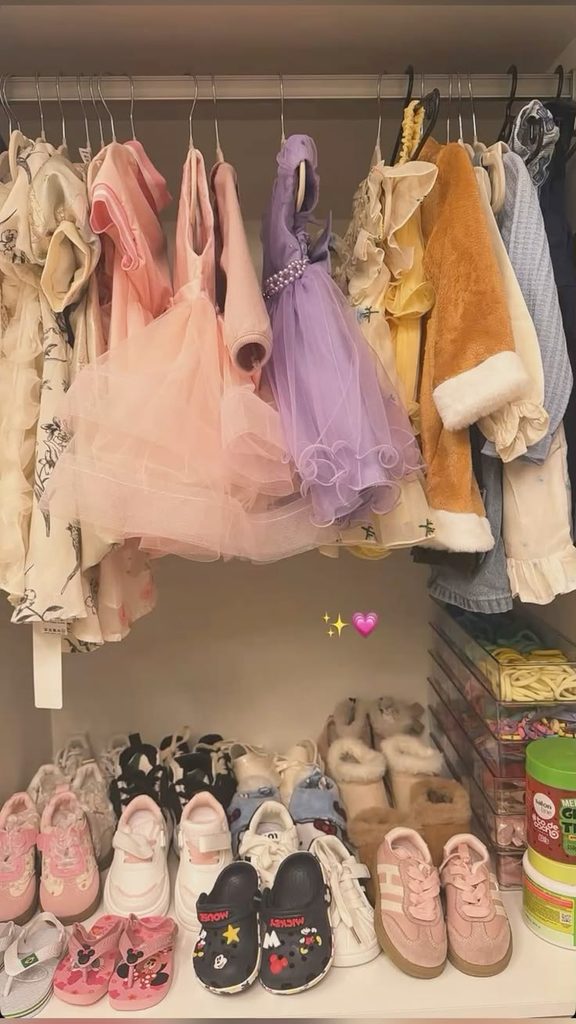
How to Create a Simple Outfit Formula Your Child Can Dress Themselves In
What an Outfit Formula Actually Is
An outfit formula is a simple, repeatable pattern for putting together clothes. Think one top, one bottom, and one pair of shoes, all chosen from pieces that already match. It is not a strict uniform, just a clear structure to follow.
Some families add a fourth slot for outerwear or accessories, but the core idea always stays the same. The formula exists to remove decision fatigue, not to eliminate choice completely. A well-built formula still leaves plenty of room for a child to feel like the outfit is genuinely their own.
The formula removes the need to think through every possible combination each morning. Instead, your child picks one item from each category, and the outfit already works.
This structure turns a confusing task into something simple and predictable. A formula does not limit creativity, it simply narrows the field enough to make a decision easy.

Why Kids Benefit From Having a Formula, Not Just Options
Too many choices can actually slow a child down, rather than making them happier with the result. A formula narrows the decision to a few clear categories, which feels far less overwhelming. Kids often freeze up when facing a full closet with no clear starting point.
This is not unique to kids either. Adults experience the same kind of overwhelm when faced with too many similar options. A narrower, well-organized set of choices almost always leads to a faster, more confident decision. Age does not really change that.
Retail research has shown this pattern for years. It is part of why well-organized stores feel easier to shop than cluttered ones. The same basic principle applies just as well inside a child’s closet. A well-organized rotation is really just a small, personal version of good store design.
A formula gives them a simple path to follow, without needing your input every single time. This independence builds confidence and reduces the daily struggle over what to wear.
A clear structure benefits both the child’s mood and the pace of the whole morning. Kids who dress themselves successfully tend to feel proud of that small daily achievement.
Start With the Basic Formula Structure
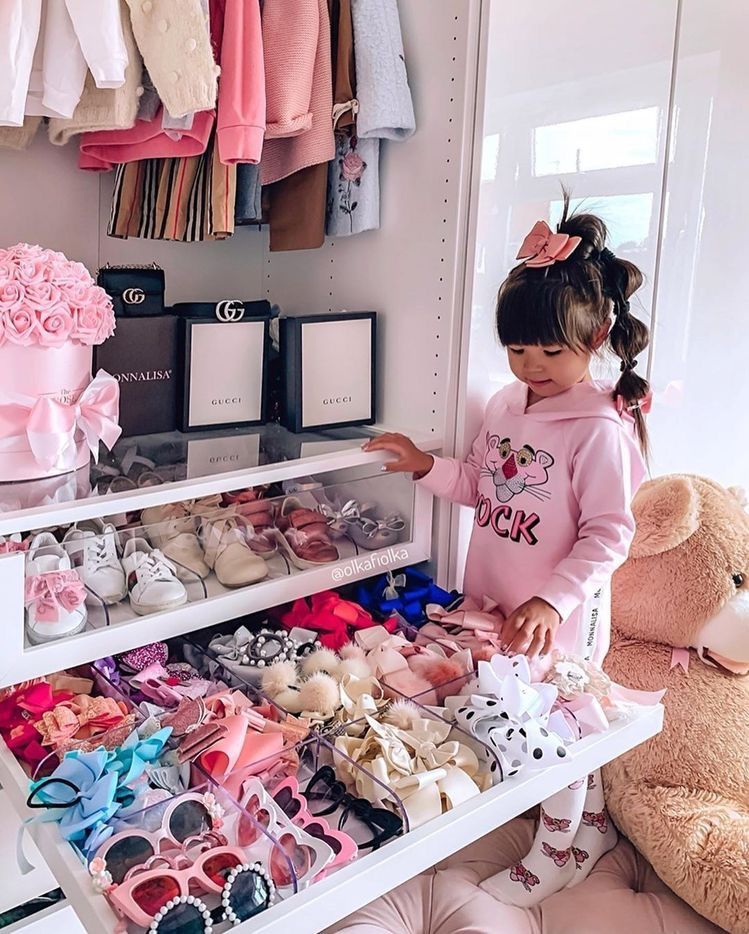
Begin with three simple categories, top, bottom, and shoes. Pick a small group of pieces for each category, all chosen so they naturally go together. This keeps the total number of choices small and manageable.
Aim for five to seven pieces per category to start. That is enough variety to avoid boredom, without becoming overwhelming. You can always expand the rotation later, once the basic structure has proven itself in daily use.
Starting smaller than feels necessary is almost always the safer choice. It is much easier to add pieces than to remove ones your child has grown attached to. Growth in the rotation can always happen gradually, as confidence in the system builds over time.
You can add a fourth category, like a jacket or an accessory, once the basic structure feels solid. Keep the categories consistent, so your child always knows exactly what to look for.
A predictable structure is what makes the whole formula work so well. Adding too many categories too soon can bring back the same confusion the formula was meant to solve.
Resist the urge to expand the system too quickly, even if it feels like it is working perfectly well already.

Build the Formula Around a Simple Color Palette
A limited color palette is what makes a formula actually function. Choose two or three main colors, plus one or two accent colors, for the whole rotation. This way, almost any top pairs correctly with almost any bottom.
Write the palette down somewhere visible, like a note stuck inside the closet door, especially in the early weeks. This small reminder helps everyone, including you, stay consistent while the new system is still settling into place.
Grandparents, babysitters, and anyone else who helps with mornings will also benefit from having this reference on hand.
Without a shared palette, a formula falls apart fast, since pieces will not always match. Stick closely to this palette when adding new items later on.
A consistent palette is the quiet engine that keeps the whole formula working smoothly. Even a single off-palette piece can quietly break the whole matching system if it slips into the rotation.
Be especially careful with gifted clothing. Well-meaning relatives often buy pieces that do not quite fit your palette.

Choose Pieces That Are Easy to Tell Apart
Pick pieces that are visually distinct, so your child can identify them quickly without confusion. Avoid having several nearly identical shirts that only differ in a subtle way. Clear, distinct pieces make quick decisions much easier for a young child.
A shirt with a bold pattern is far easier to spot than one nearly identical to others in the drawer. This small detail matters more than it might seem. Younger children especially are still learning to make quick choices on their own.
A little visual variety, even within a limited palette, makes the whole rotation easier to navigate at a glance.
This also helps you keep track of what is in the rotation at a glance. A formula only works well if each piece is easy to recognize and select.
Simplicity here saves real time during a rushed morning. A young child scanning similar shirts will hesitate far longer than one facing a few clearly different options.
This small difference in decision speed adds up significantly over the course of a school year.

Adjust the Formula for the Season
A single formula rarely works for the whole year without some seasonal adjustment. How to Dress Your Child for Different Seasons Without Buying Too Many Clothes explains how to plan for these shifts.
Swap in seasonal pieces as the weather changes, while keeping the same basic structure in place. This might mean trading short sleeves for long ones, or adding a layer option once temperatures start to drop.
The categories stay the same, only the specific pieces inside them change with the season. This keeps the formula relevant all year, without needing to rebuild it from scratch each time.
A quick seasonal swap, done a few times a year, is all the maintenance this part needs. Nothing about the core structure has to change, only the pieces filling it in.
This makes seasonal transitions feel far less overwhelming than they would in a wardrobe without any real system behind it. Parents who skip this step often end up rebuilding their child’s whole wardrobe from scratch every few months instead.

Add a Shoe Rule to the Formula
Shoes deserve their own clear rule within the larger formula. Without a clear rule, shoes often become the one piece chosen almost at random, without much thought.
How to Choose Shoes That Keep Kids Comfortable All Day helps you pick pairs that work with most outfits.
Assign specific shoes to specific situations, like sneakers for school and sandals for casual weekend days. Once this rule is clear, your child knows exactly which pair to grab without asking. A simple shoe rule removes one more daily decision from the whole routine.
Shoes are often the last thing chosen in a morning routine, which makes them a common source of delay. Solving that one small gap has an outsized effect on how smoothly the whole morning goes.
A missing or mismatched shoe can undo the time saved by every other part of a well-planned formula. Treat the shoe rule with the same seriousness as the rest of the formula, rather than as an afterthought.

Keep Comfort Built Into Every Option
Every piece included in the formula should already meet a basic comfort standard. This means checking fabric, fit, and finish before anything joins the active rotation.
Liking how a piece looks on the hanger is not enough. How to Dress Kids Stylishly Without Sacrificing Comfort explains why comfort should never be an afterthought in the process.
If a piece looks great but feels scratchy or stiff, leave it out of the rotation entirely. A formula only works well if every piece in it is something your child actually wants to wear.
Comfort checked in advance means fewer complaints and fewer last-minute outfit changes. A single uncomfortable piece can quietly undo the calm the rest of the formula was designed to create.
Test new pieces for comfort before they officially join the rotation, rather than discovering a problem on a busy morning. A quick trial run at home reveals far more than a piece simply looking good on a hanger.

Coordinate the Formula With the Rest of the Look
A formula should also account for how the outfit looks as a whole, not just each piece alone. Even within a simple system, a quick check of how everything looks together helps catch anything that feels visually off.
How to Make Your Child’s Everyday Outfits Look More Put Together explains small details that pull a look together.
Small touches, like proportion or a simple accessory, can elevate even a basic formula outfit. This does not complicate the system, since these small additions stay optional and easy to skip.
A well-planned formula still leaves room for a bit of extra style. Structure and personality are not opposites, and a good formula makes space for both at once.
The goal was never to remove all creativity. It was only to remove the daily friction that used to get in its way. Once that friction is gone, creativity often has more room to show up naturally, not less.

Include Hair as Part of the Formula Too
Hair deserves its own place within the daily formula, not just the clothing itself. Leaving hair as an afterthought often means it becomes the one part of the morning that still feels unpredictable.
The Ultimate Guide to Choosing Hairstyles for Different Kids’ Hair Lengths offers styles that fit a quick, repeatable routine.
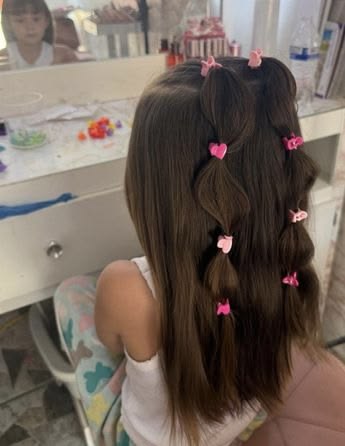
Pick two or three go-to hairstyles that require little daily effort, the same way you picked clothing basics. Treating hair as part of the same system keeps the whole morning consistent.
A finished look includes hair just as much as it includes clothes and shoes. Leaving hair out of the formula often means it becomes the one unpredictable part of an otherwise smooth routine.
Bringing hair fully into the system closes that last gap and makes the whole morning feel complete. It is a small addition that finishes the whole plan, rather than leaving one piece dangling outside it.
Account for Protective Styles in the Routine
If your child wears protective styles, the formula should adjust around that routine too. A style that lasts several weeks changes the daily rhythm in a way worth planning for directly.
What Every Parent Should Know Before Choosing Protective Hairstyles for Kids covers what to think through first.
A well-installed protective style can actually simplify the formula, since hair needs less daily attention. Build the clothing formula with this reduced hair task in mind, freeing up a little extra morning time.
Planning both together keeps the whole system working in sync. A formula that accounts for hair care timing tends to feel more realistic than one that ignores it completely.
A realistic system is one that actually gets followed. A system that only looks good on paper falls apart in daily practice. Practical always beats perfect when it comes to something meant for daily use.

Teach the Formula Step by Step
Do not expect your child to master the formula overnight, especially if they are still quite young. Learning any new system takes repetition, and a formula is no different from any other habit being built.
Walk through it together for the first week or two, explaining the categories as you go. Let your child choose while you guide, rather than choosing everything for them.
This gradual handover is what eventually lets the formula run with little to no involvement from you at all. That is really the end goal, a child who can dress themselves well without needing you at every step.
Gradually step back as your child grows confident with the pattern. Most kids pick up a simple formula within a couple of weeks of steady practice.
Patience during this teaching phase pays off in a system that runs itself later. Rushing this step often means the formula never fully sticks, since the child never truly learns to trust the process.
A little extra time spent teaching now saves far more time later once the habit is fully formed.

Adjust the Formula as Your Child Grows
Growth affects a formula just as much as it affects individual pieces of clothing. A formula built around a size that no longer fits quietly stops delivering the ease it was designed to provide.
What to Know Before Buying Clothes for Kids Who Grow Quickly explains how to stay ahead of this ongoing issue.
Check the formula every few months, replacing pieces that no longer fit properly. A formula built around outgrown clothes stops working the way it should.
Keeping the rotation current is what keeps the whole system reliable over time. An outgrown piece left in the rotation can quietly reintroduce the same friction the formula was built to remove.
Regular checks keep that friction from creeping back into an otherwise smooth system. A quick fit check, done alongside a seasonal review, covers most of what this ongoing maintenance actually requires.
These two small habits, combined, keep the whole formula running well without demanding much extra time.
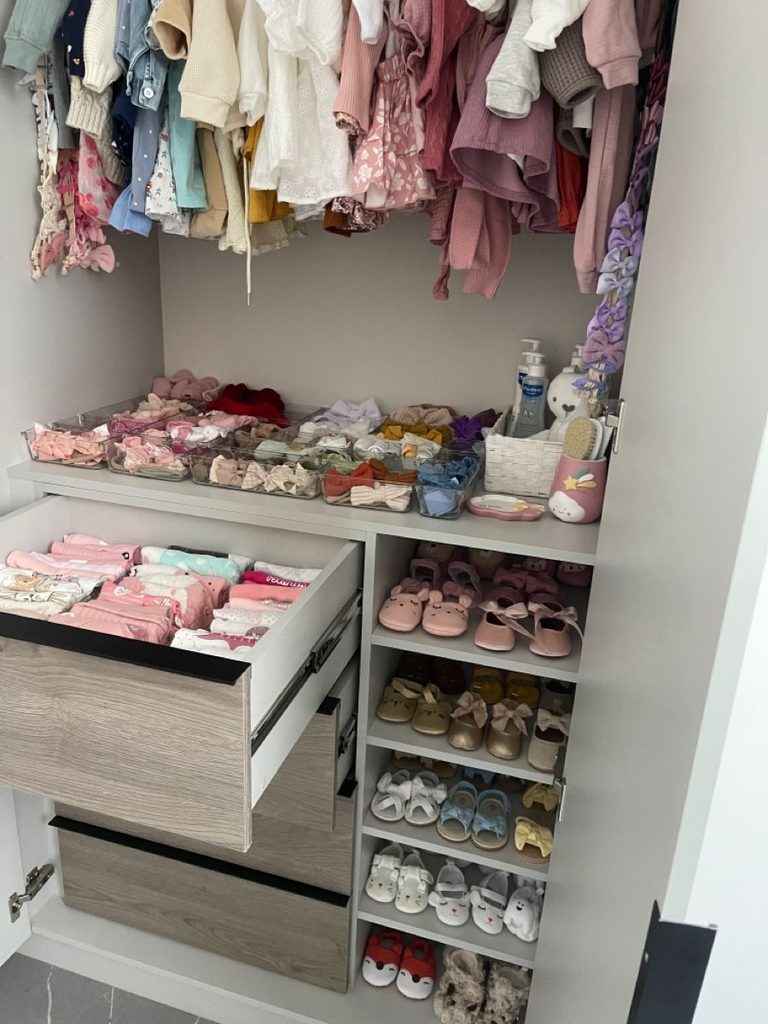
Use the Formula to Simplify Mornings
A working formula is one of the most effective tools for a calmer school morning. Of everything covered in this whole series, a solid formula often delivers the biggest daily return for the least effort. How to Make School Morning Dressing Easier for Kids and Parents shares more tips that pair naturally with this system.
Once the formula is set, mornings shift from decision-making to simply following a pattern. This shift alone often removes most of the friction from a rushed routine.
A formula, once established, quietly does a lot of the daily work for you. Parents who build this system well often describe mornings as feeling almost effortless, compared to how they used to feel.
That change alone can make the whole formula worth the small effort it takes to build.
The transformation is often gradual. By the end of a full school term, most families barely remember the old, chaotic mornings at all.
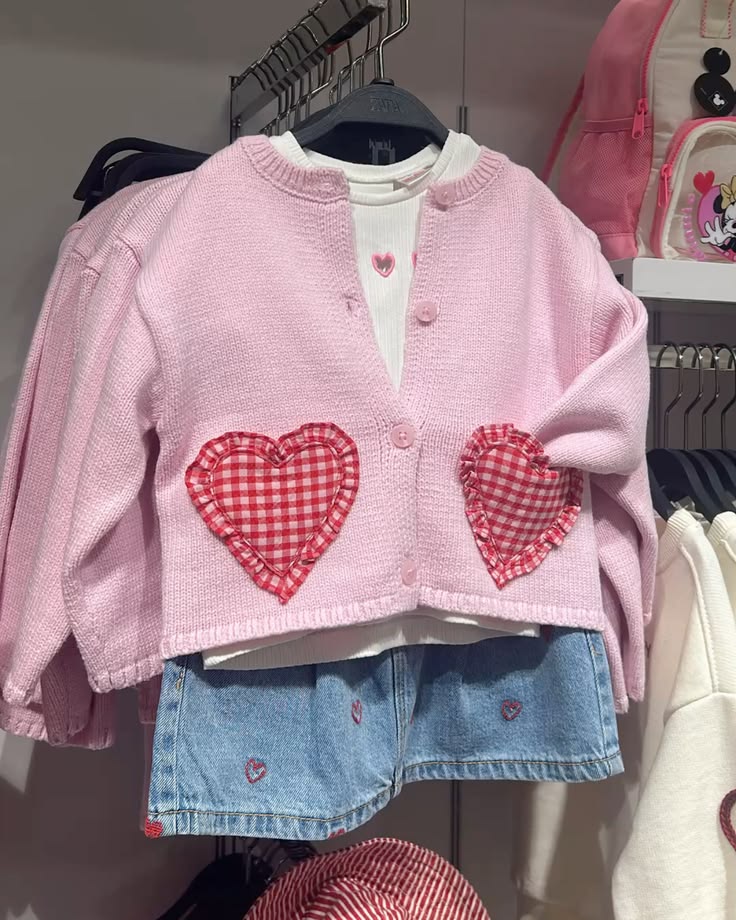
Let Your Child Personalize the Formula
A formula should still leave room for your child’s own personality to come through. Let them pick favorite colors or patterns within the agreed structure.
A little flair, chosen by them, makes the formula feel less like a rule, more like a system they built. My niece always adds one silly sock into her rotation, and it makes the whole system feel like hers.
That one small, slightly ridiculous item does more for her cooperation than any amount of parental insistence ever could.
This small bit of personalization keeps the formula from feeling like a strict rule. A formula with a little personality built in tends to get used far more happily.
Ownership matters just as much as structure when it comes to daily cooperation. A child who feels the formula belongs to them is far more likely to follow it without resistance.
Small, low-stakes personal touches cost nothing and pay off in how willingly the system gets used. This is one of the easiest wins available in the entire process, and it costs you nothing to offer it.

Keep the Formula Flexible for Special Days
Not every day fits neatly into a standard formula, and that is perfectly fine. Birthdays, holidays, and family photos are natural moments where stepping outside the usual rotation makes complete sense.
Special occasions, like parties or school events, may call for something slightly outside the usual rotation. Keep one or two dressier pieces set aside for these moments.
Store them separately from the daily rotation, so they stay easy to find whenever a special occasion actually comes up.
The core formula still applies most days, with room for exceptions when they genuinely make sense. A little flexibility keeps the system realistic, rather than rigid for its own sake.
This balance is what makes a formula sustainable over the long run. A system that bends occasionally, without breaking, tends to last far longer than one demanding perfect adherence every day.
Real family life rarely fits into a completely rigid structure, and a good formula accounts for that. Building in flexibility from the start stops the system from feeling broken the first time a busy week tests it.

Review and Update the Formula Regularly
A formula is not something you build once and forget about entirely. Life changes, kids grow, and tastes shift. The formula needs the same ongoing attention as anything else in a child’s routine.
Check in every few months to see what still works and what needs replacing. My neighbor updates her son’s formula every season, swapping in a few fresh pieces each time.
That small seasonal ritual keeps the system feeling intentional, rather than something forgotten and left running on autopilot.
This regular check keeps the system feeling current, rather than stale or outdated. A formula that evolves alongside your child stays useful for much longer.
Treat it as an ongoing habit, not a one-time project you complete and walk away from. A formula that grows with your child keeps paying off for years, well past when it was first introduced.
The small effort of regular upkeep is what keeps that long-term value intact. Families who stick with regular check-ins consistently report the smoothest, most stress-free mornings of anyone following this whole approach.

Set Up a Weekly Check-In With Your Child
A short weekly check-in keeps the formula running smoothly without becoming a burden for anyone. Spend five minutes together looking at what is clean, what still fits, and what needs swapping out.
This small habit catches problems early, before they turn into a rushed morning surprise. It also gives your child a regular chance to voice an opinion about the current rotation.
A quick weekly check keeps the whole system feeling current and genuinely theirs. This regular touchpoint also gives you a natural moment to celebrate how well the system has been working.
Small, consistent check-ins like this often separate a formula that lasts from one that quietly falls apart within weeks.
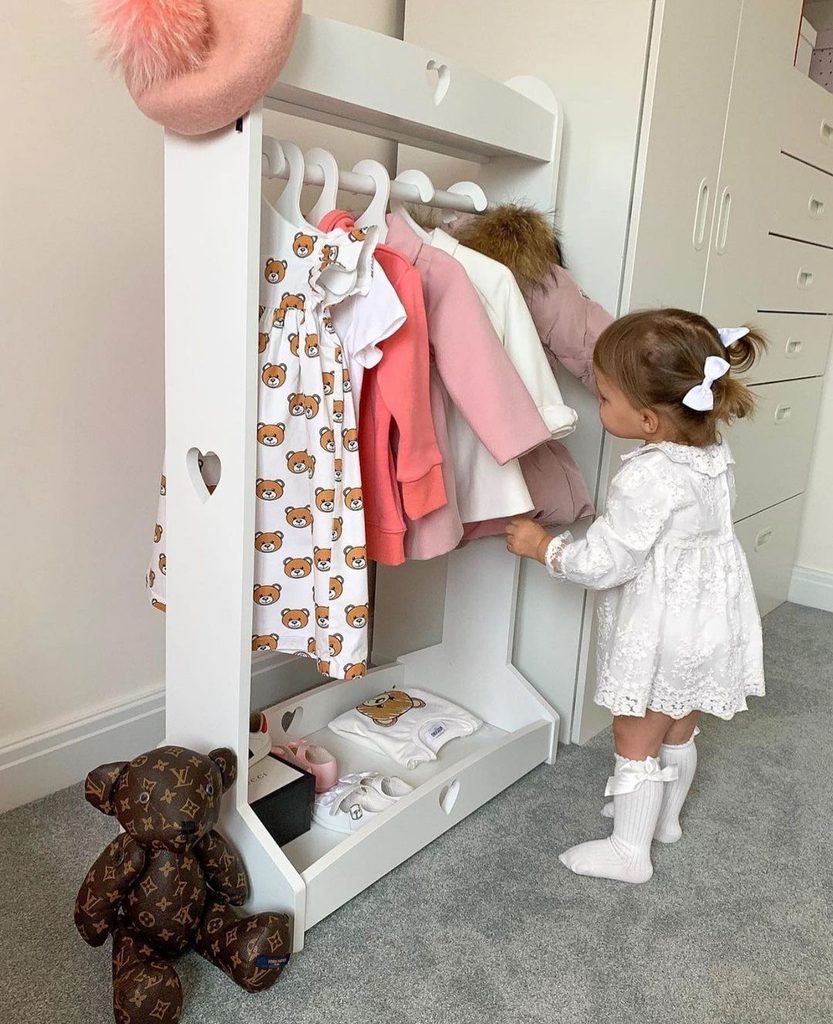
Putting Everything Together
Creating a simple outfit formula gives your child the tools to dress themselves with real confidence. Start with a basic structure, build around a simple color palette, and keep comfort at the center of every choice.
None of this needs to happen all at once. Build the formula gradually, piece by piece, and let it settle into a natural part of your family’s routine.
Adjust the formula for the season, for growth, and for your child’s own personality along the way. Once the system is in place, mornings become calmer.
Your child also gains a real skill that lasts well beyond just getting dressed. Learning to build and follow a simple system is a habit that carries far past the closet.
Give the formula a real chance over the next few weeks, and the results are likely to speak for themselves.

