
When storage is available, it makes room organizing easier, but without storage, you can still organize a kids’ room in different nice ways. The trick is to stop thinking about shelves and start thinking about space, habits, and smart choices. Many small bedrooms have no built-in closet, no spare cabinets, and very little floor space.
Clutter in a tight room affects more than looks, because it makes sleep, play, and homework harder. A cluttered space also teaches kids that mess is normal, and that habit is tough to undo later. Toys cause most clutter, so read How to Organize Toys So Kids Can Actually Find What They Want too.
This guide gives you practical steps that cost little and need little or no drilling. With a little planning, even the tightest room can feel calm, roomy, and easy for a child to manage.
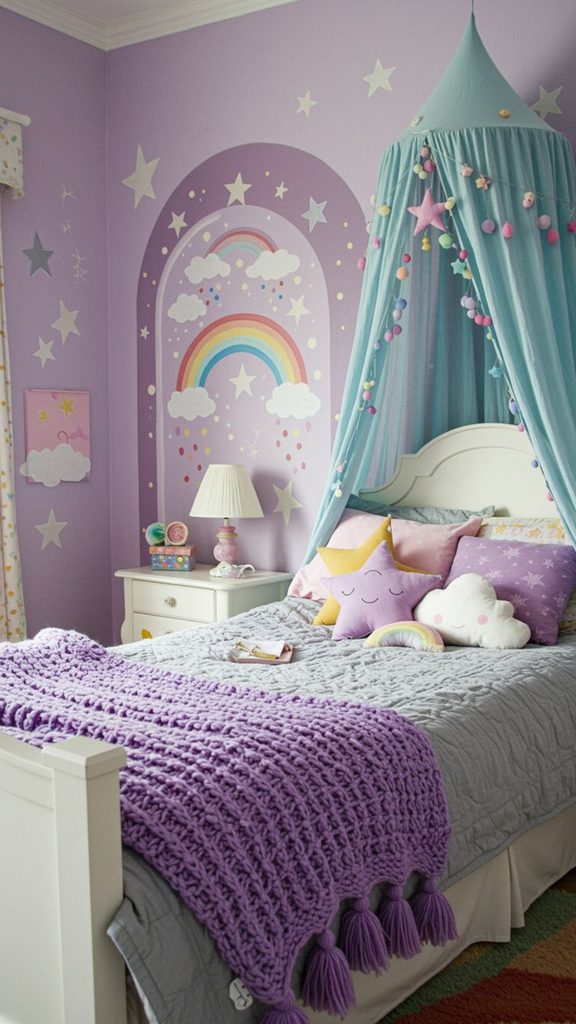
How to Organize a Kids’ Room When There Is Barely Any Storage
Start With an Honest Look at What You Have
Before you buy a single bin, take a long, honest look at everything inside the room. Most rooms with a storage problem actually have a stuff problem, and buying containers only hides it.
Walk through the space with a notepad and write down every category of item you find.
Clothes, books, toys, art supplies, school papers, and sports gear usually make up the main groups. Then count roughly how much of each category your child owns and actually uses each week.
This quick audit shows you which category is causing the most trouble in the room.
Take photos of the room from each corner, since a picture shows problems your eyes skip over. Measure the empty wall space, the floor space, and the gap under the bed as well.
These numbers will guide every purchase and every decision you make in the coming weeks.
Involve your child in this step, since they know which items they love and which they forgot. A clear picture of the problem keeps you from wasting money on storage that does not fit.

Sort Everything Into Keep, Donate, and Toss
The fastest way to gain space is to own fewer things, and this step delivers the biggest result. Set up three boxes labeled keep, donate, and toss, then go through one category at a time.
Start with clothes because they are easy to judge and quick to sort into clear groups.
If something no longer fits, is stained, or has not been worn in months, it goes. My sister tried this with her daughter and filled three full bags in under one hour.
The drawers closed easily afterward, and her daughter could finally find her favorite tops without digging.
Move on to toys, and let your child make the final call on most items. Broken toys, duplicates, and games with missing pieces are easy targets for the donate or toss box.
Do not rush a child who is attached to an item, because forced decisions create tears and resistance.
Offer a small memory box for special items, so nothing meaningful gets thrown out in the process. Finish by taking the donate bag to the car right away, before second thoughts sneak in.
An edited room needs far less storage, and that is exactly what you want here.
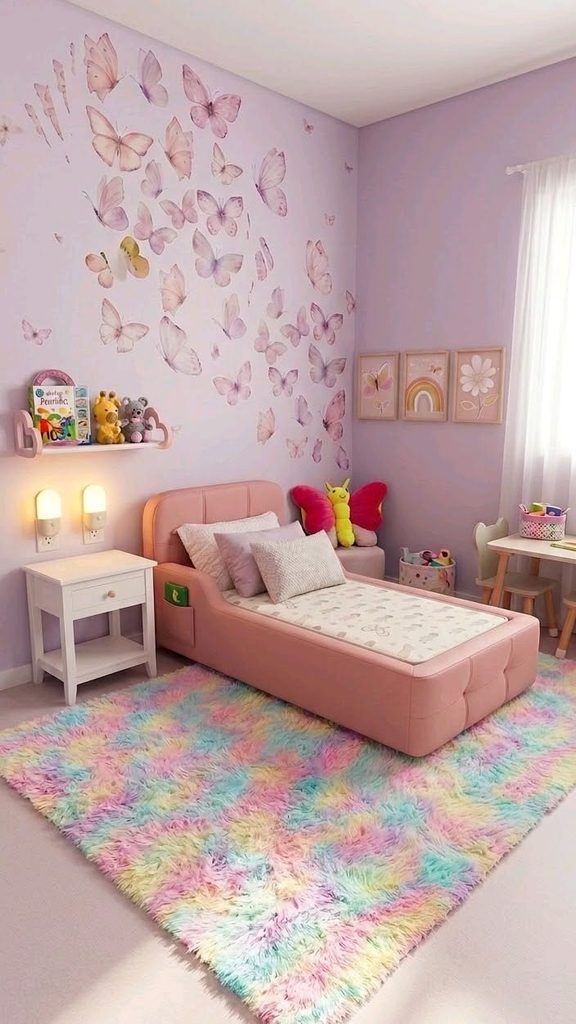
Set a Limit on Each Category
Once the extra items are gone, set a firm limit for how much of each thing stays. A limit works like an invisible shelf that tells you when the space is full. For example, allow one bin of stuffed animals, one bin of building toys, and one shelf of books.
When a bin fills up, something has to leave before anything new can come in. This one-in, one-out rule keeps the room from slowly filling up again after your big clean.
Explain the rule to your child in simple words, and make it a rule for everyone at home.
Kids accept limits more easily when they understand the reason behind them and can see them clearly. Use the size of the container as the limit, since a full bin is a simple visual signal.
Gifts from relatives and birthday parties will test the rule, so plan for them in advance. Ask family members for experiences, books, or art supplies instead of more plastic toys and gadgets.
Limits protect your space, your budget, and your patience, and they teach kids to value what they own.

Use the Vertical Space on Your Walls
When floor space is tight, look up, because most rooms have plenty of unused wall space. Wall storage frees the floor for play, and it keeps important items visible and easy to reach.
Floating shelves work well for books, trophies, and small baskets, and they take up almost no room.
Install them at a height your child can reach, and keep heavy items on the lowest shelves. Pegboards are another cheap and flexible option, since you can move hooks and small bins around easily.
Walls offer free storage, so read How to Make a Small Kids’ Bedroom Feel Bigger and More Functional for more.
Wall pockets and hanging organizers hold art supplies, socks, and small toys without touching the floor. Renters can use adhesive hooks and tension rods, which leave no marks when you take them down.
Use anchors on shelves and tall units, so nothing can tip forward when a child climbs.
Keep the top shelves for rarely used items like keepsakes, seasonal clothes, and spare bedding. Too many things on the walls can feel heavy, so leave some blank space to rest the eyes.
A tidy wall with a few well-chosen shelves looks far better than a wall crowded with clutter.

Look Under the Bed
The space under a bed is often the biggest unused storage area in a kids’ room. Shallow, wheeled bins slide out easily and hold off-season clothes, spare bedding, or larger toys. Measure the gap between the floor and the bed frame before you buy anything at all.
Many frames leave only six to eight inches, so low, flat containers will fit best. Bed risers can add a few inches, and they cost little and lift the frame safely. A neighbor of mine used raised legs and two rolling drawers, and gained a full extra dresser.
Her son’s room looked bigger afterward, since the old dresser could finally leave the space completely. Label each drawer or bin, so your child knows exactly what lives underneath the bed.
Keep the items down there light, since a child must be able to pull the box alone.
Avoid storing food or damp items under there, because they attract bugs and cause smells. Vacuum under the bed every few weeks, since dust builds up quickly in that hidden area.
Bed frames with built-in drawers are worth the money if you plan to buy a new bed soon.

Turn Doors and the Backs of Furniture Into Storage
Doors and furniture backs are forgotten spots that can hold a surprising amount of daily gear. An over-the-door organizer with clear pockets works for shoes, hair items, small toys, and craft supplies.
Clear pockets help kids see what they own, which makes tidying and finding things much faster.
Hooks on the back of the door can hold coats, bags, towels, and tomorrow’s outfit neatly. A simple rule keeps it working, which is one hook for each item and one item per hook. The side of a wardrobe or bookcase can carry a slim rack for scarves, belts, or bags.
Magnetic boards on a side panel hold art, photos, and lightweight school notes without any drilling. Do not overload a door, since heavy loads can strain the hinges and cause the door to sag.
Check that the door still closes fully and quietly after you hang anything on it.
The back of a desk or dresser can hold cable clips, small baskets, and clipboards too. These spots cost very little, and they keep the floor and the surfaces free for daily life.

Choose Furniture That Does Two Jobs
When storage is scarce, every piece of furniture should work at least twice as hard. A storage bench at the foot of the bed holds blankets and toys, and it doubles as seating. Ottomans with lift-up lids give a child a place to sit and a place to hide small things.
A bed with drawers underneath removes the need for a separate dresser in many small bedrooms. A desk with shelves or drawers built in holds school supplies without needing extra cabinets nearby.
Bookcases can also act as room dividers, which is helpful when the space must serve several purposes.
Multi-use pieces also last longer, as How to Design a Kids’ Bedroom That Grows With Your Child explains.
Choose pieces in light colors, because dark bulky furniture makes a small room feel smaller and heavier. Pick items with legs, since a bit of visible floor makes a room feel more open.
Measure twice before buying, and check that drawers can open fully without hitting the bed or wall. Second-hand furniture can save money, and solid wood pieces are often stronger than new flat-pack items.

Make the Most of the Closet
If your child has a closet, a few small changes can double how much it holds. Lower the hanging rod to a height your child can reach without needing any help. Add a second rod below the first for shirts, skirts, and small pants that fold in half.
Hanging shelf organizers add several compartments for sweaters, jeans, and folded tops in a small footprint. Fold clothes in the file style, so each item stands upright and you can see everything at once.
Slim, matching hangers save space and look neater than a mix of bulky plastic and wire ones.
Store out-of-season clothes in vacuum bags or boxes on the top shelf, and swap them twice a year. That single habit can free up a great deal of room, and it keeps daily choices simple. Use the floor of the closet for shoe racks, a small hamper, or a stack of bins.
No closet at all is no problem, since a freestanding rack or a wardrobe can fill the gap. Keep the most-worn items at eye level, and put rarely used pieces higher up or lower down.
An organized closet makes mornings faster, and it teaches kids to choose their outfits alone.
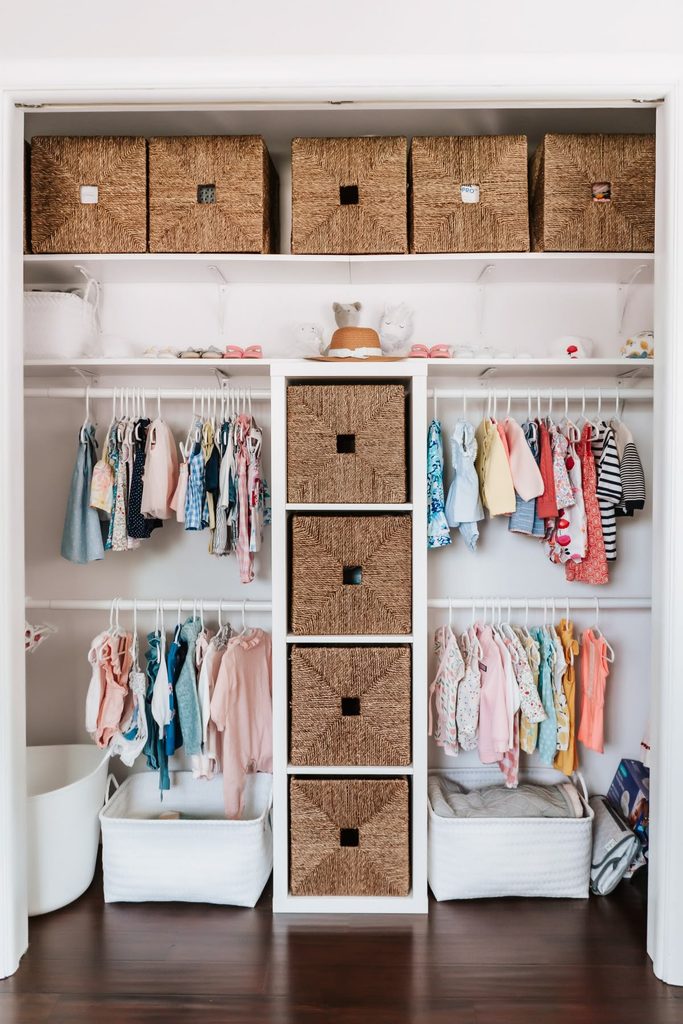
Use Bins and Baskets Wisely
Containers can help or hurt, depending on how you choose them and how you use them. Pick a small set of matching bins, because a mix of shapes and colors looks messy.
Soft fabric bins are safe for kids and squeeze into odd spaces where hard boxes will not fit.
Open baskets suit young children best, since lids slow them down and often end up lost. Add a label to every container, using a word, a picture, or both for pre-readers. Each bin should hold one type of item, because a bin of mixed things becomes a junk box.
Never buy containers before you sort, since you will only guess the sizes and buy too many. Use what you already have first, like shoeboxes, jars, and baskets from around the house.
Cover shoeboxes with paper or fabric, and let your child decorate them with drawings or stickers.
Balance style with function, as The Complete Guide to Creating a Fun but Functional Kids’ Room shows. Stack bins only two high, because a tall stack is hard for a child to reach into.
Place the bins your child uses daily at the front, and keep others toward the back.

Create a Small Play Zone
Kids need a spot to play, even when the room has almost no free floor space. A rug can mark the play zone clearly, and you can roll it up when the day ends. Choose a low-pile rug in a solid color, because busy patterns hide small toys and look chaotic.
Keep a single toy bin next to the rug, so cleanup takes only a minute or two. A tiny play corner works, so see The Best Way to Create a Playroom Without Filling Your Home With Toys.
Foldable items save space too, like a fold-away table, a pop-up tent, or stackable stools.
Open-ended toys like blocks, cars, and dolls take less room than large electronic or plastic sets. They also spark more imagination, so your child plays longer with far fewer items on the floor.
Try to keep messy play, such as slime, paint, or clay, in the kitchen or another shared area.
That keeps the bedroom calmer at night, and it protects the beds and clothes from stains. Set a clear rule that toys go back in the bin before dinner and again before bed.
A short routine works better than a long weekend clean-up that nobody enjoys or remembers to do.

Build a Reading Nook Without a Bookcase
Books pile up fast, but they do not need a big bookcase to stay organized. Wall-mounted picture ledges display covers outward, and they hold a surprising number of picture books. A slim rain-gutter shelf on the wall does the same job for a few dollars.
Hanging fabric book slings hold books by the bedside, and they take up no floor space. Keep only a handful of current favorites in the room, and store the rest elsewhere in the house.
Books can rotate every month, which keeps reading fresh and stops the shelves from overflowing.
For a cozy setup, see How to Create a Reading Corner Your Child Will Actually Want to Use. A cushion in a corner and a small lamp are enough to make a cozy reading spot.
A hammock chair or a canopy can turn any tiny corner into a special hideaway for stories.
Keep the nook away from the toy zone, so your child links it with calm time. Read together in that spot each evening, and your child will start to seek it out. The library is also a great friend to a crowded room, since borrowed books go back.
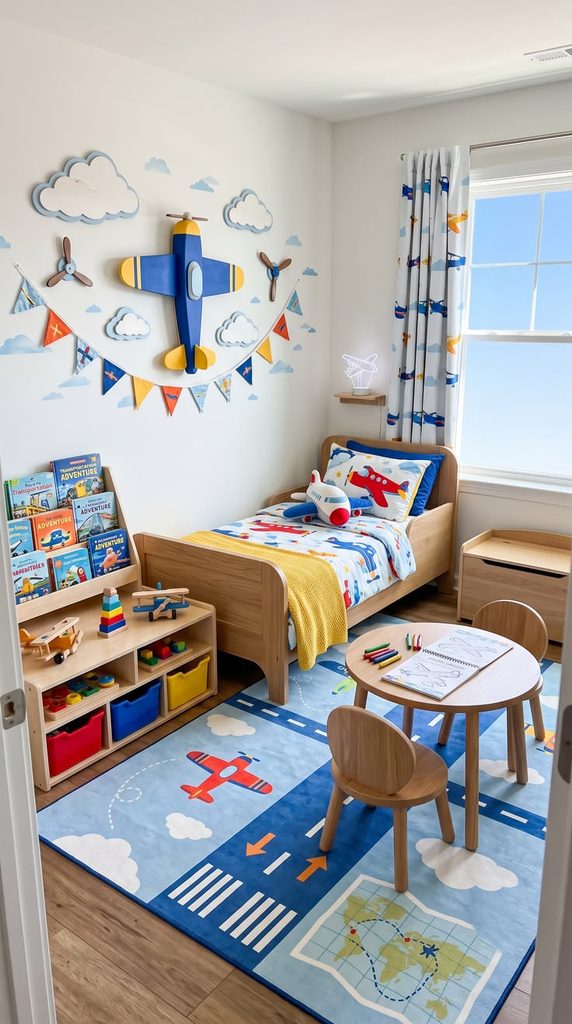
Fit a Study Spot Into a Tight Space
Homework still needs a proper place, even when the bedroom has no room for a desk. A fold-down wall desk gives a child a work surface that disappears when it is not needed. A narrow shelf mounted at window height can also serve as a slim desk for one child.
Add a stool or a chair that tucks fully underneath, so it never blocks the walkway. Good light matters most, so choose a clip-on lamp that attaches to the shelf or wall. For more ideas, read How to Create a Kids’ Study Space That Encourages Better Focus.
A rolling cart can hold pencils, paper, and books, and it slides away after homework ends. Keep the study area free of toys, since distractions make focus much harder for young kids.
A small cork board above the desk holds the weekly schedule and reminders in plain sight.
Use a small desktop organizer for pens and rulers, so nothing rolls off or gets lost. The kitchen table can work as a backup study spot, with a bin holding all supplies.
Even a tiny study corner helps a child settle into a routine and feel ready to learn.

Organize a Room Two Kids Share
Two children in one small room double the belongings, and they double the arguments too. Give each child a clear zone with their own drawer, shelf, and bin, so ownership is obvious.
Color coding helps a lot, such as a red set of bins for one and blue for the other.
Shared rooms have extra challenges, so read What Every Parent Should Know Before Designing a Shared Kids’ Bedroom.
Bunk beds or loft beds free up the floor, and each child gets a private sleeping nook. Add a curtain or a bookcase between the sides if your children want more privacy.
Shared items, such as books and board games, can live in one central bin or shelf. Set a weekly family meeting to talk about what is working and what feels unfair. Children of different ages need different storage, so keep small parts and older kids’ items higher.
Let each child pick one wall item to display, which gives them a small sense of ownership. Fair rules and clear zones turn a crowded room into a place where both kids feel at home.

Teach Your Child to Tidy Up
A great system only works if your child can use it without help from you. Show each step once, then let your child try, and praise the effort instead of perfection. My niece began tidying her own shelf at four, after we gave her a low basket.
She liked putting her toys away, because the basket was open and easy to reach. Kids gain confidence from independence, as How to Create a Montessori-Inspired Kids’ Room Without Redoing Everything shows well.
Make everything low, open, and clear, so a small child can put things away alone.
Turn tidying into a game, like a five-minute race or a song that ends when the room is clean. Use simple phrases like put it home, so kids know exactly where each item belongs.
Stay calm when the room gets messy again, since tidying is a skill that grows slowly.
Model the habit yourself by keeping shared spaces neat, because children copy what they see daily. A picture chart on the wall can remind young kids of the steps in their tidy routine.
Over time, the routine becomes automatic, and your role shifts from manager to gentle coach.

Keep a Simple Daily and Weekly Routine
Even the best storage plan fails without a steady routine that keeps things moving along. Start with a daily reset that takes about ten minutes and happens right before bedtime. Clothes go in the hamper, toys go in the bin, and books return to their spot.
Once a week, do a slightly deeper tidy, such as clearing the desk and wiping the shelves. Pick a fixed day, like Sunday afternoon, so the habit becomes part of the family rhythm. Put on music and keep it light, so the task feels like fun and not a punishment.
Check the laundry basket, the under-bed bins, and the floor for stray items each week. Catch problems early, because a small pile is easy to fix, but a mountain is not. Keep a donation bag in the closet, so unwanted items leave the room the moment they appear.
Any item that has no home should be given one or let go without guilt. Routines protect your effort, and they stop the room from sliding back into the old mess. A simple habit done daily beats a huge clean-up done only once every few months.

Rotate and Edit Every Season
Children change quickly, so a room that works now may feel cramped in six months. Schedule a quick edit at the start of each season, when clothes and activities change anyway. Swap warm clothes for light ones, and pack away sports gear that is not in use.
Rotate toys and books from the storage box, and put away the ones your child ignored. Ask your child which items they have outgrown, since kids often know before adults notice.
Look at the layout too, and check if the furniture still suits your child’s height.
Small shifts, like moving the desk closer to the window, can improve the whole room. Pass outgrown clothes and toys to friends or cousins, or sell them to fund new items. Keep a small budget each year for replacing worn bins, hooks, and containers that break.
Write down what worked and what did not, so next season’s edit takes even less time. Seasonal edits stop clutter from building up quietly, and they keep the room ready for growth.
A room that gets regular attention rarely needs a giant, exhausting overhaul later in the year.

Putting Everything Together
Organizing a kids’ room with barely any storage comes down to owning less, using every inch, and building simple habits.
Start with an honest audit, sort ruthlessly, and set limits that keep the room from filling up. Then use walls, doors, closets, and the space under the bed to hold what remains.
Pick furniture with two jobs, choose matching bins, and give play, reading, and study each a small corner. Shared rooms need clear zones, and every child needs a simple way to tidy up alone.
Routines matter more than any product, so keep a short daily reset and a small seasonal edit.
A lack of storage is not a failure, and it often pushes families to build smarter, calmer rooms. Begin with one drawer or one shelf this weekend, and let that small win carry you forward.
Your child will enjoy a neat room, and you will enjoy how easy it becomes to keep.
Small daily choices add up quickly, and soon the room will feel bigger, lighter, and calmer. Keep it simple, stay consistent, and let your child see the difference in a room they love.

