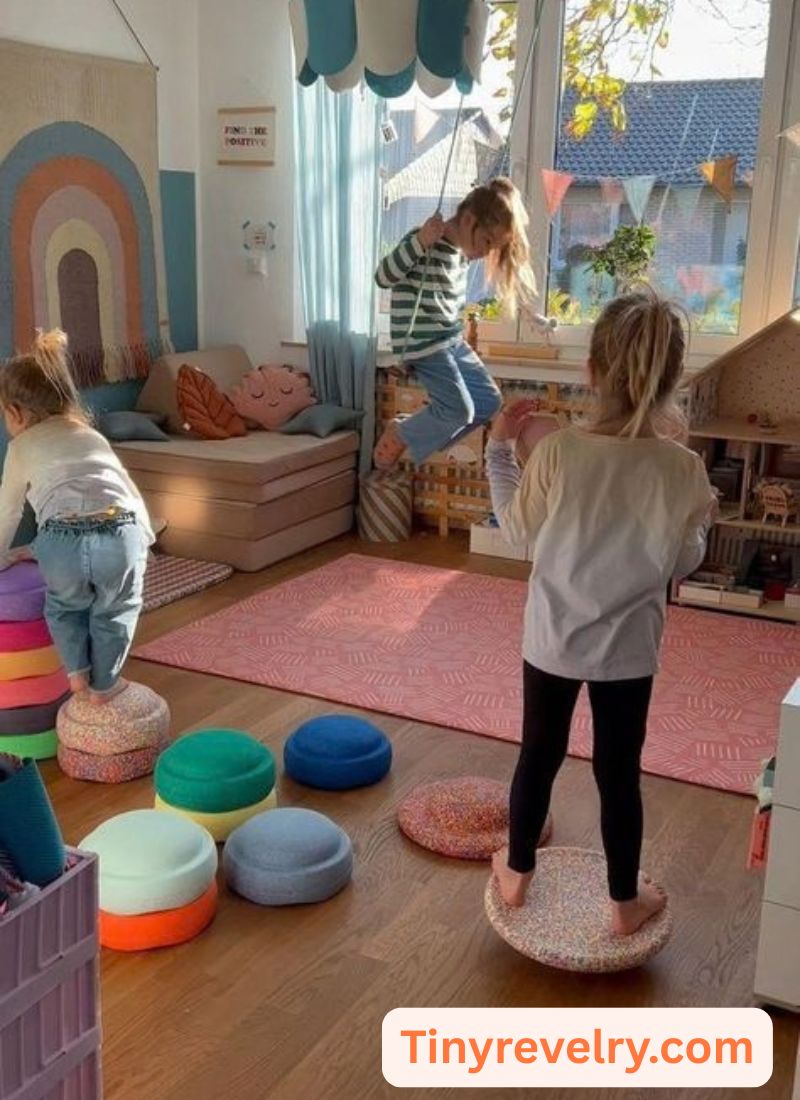
Kids enjoy spending time in their playroom with their favorite toys in it, but clutter can spoil the fun. Many parents notice that playrooms slowly turn into piles of plastic, mismatched pieces, and toys nobody touches. That slow drift matters more than it looks, since a crowded room quietly wears down a child’s attention and patience.
A crowded room overwhelms children, and they often play less when they have too many choices in front of them. The mess wears down parents too, who spend evenings picking up toys instead of resting or connecting with their kids.
The good news is that a great playroom depends on thoughtful design, not on how many toys you own. Storage still helps, so see How to Organize a Kids’ Room When There Is Barely Any Storage for more.
This guide shows you how to build a warm, inviting play space that stays calm and easy to manage. Get this right, and playtime becomes something your child looks forward to, not something that ends in tears. You will learn how to pick fewer toys, arrange them well, and keep the mess under control daily.

The Best Way to Create a Playroom Without Filling Your Home With Toys
Why Fewer Toys Make a Better Playroom
Most parents assume that more toys mean more fun, but children often show the opposite in daily play. When a child faces a mountain of toys, they flip through them quickly and settle on nothing.
Fewer toys give children room to focus, invent stories, and stay with one activity for longer.
Some studies of toddler play suggest that fewer toys can lead to longer, more focused play. A calmer room also means less stress for you, since there is less to pick up each night.
Fewer toys also save money, because you stop buying storage and replacements for items that get ignored.
Your home stays more pleasant too, since toys remain in one place instead of spreading everywhere. None of this means a bare or boring room, because a well-chosen collection can feel rich and full.
Think of the playroom as a small shop window, where a few items shine instead of hundreds hiding.
Every choice in this guide follows one simple idea, which is quality and purpose over quantity. Once you accept that idea, the rest of the plan becomes easier and far less emotional.

Decide What the Playroom Is Really For
Before you move a single toy, decide what you want this room to do for your family. Some families want a loud, active space, while others want a quiet room for books, art, and puzzles.
Write down the three main activities your child enjoys most, and let those guide the layout.
Watch your child play for a few days, because what they do matters more than what you expect. Some children build for hours, while others love dressing up, drawing, or acting out little stories.
Your answers will show you which toys deserve space and which ones only add noise.
Think about who will use the room, including friends, siblings, and even parents who join in. A clear purpose makes every later choice simpler, from furniture to rugs to the toys you keep.
Set a budget at this stage too, so you avoid impulse buys that clutter the space later.
Note the age range in the room, since a toddler and a nine-year-old need very different things. A playroom with a purpose feels organized from the first day, even before the toys arrive.

Pick the Right Space in Your Home
You do not need a huge room, and many great playrooms start in a corner or a spare nook. Look for a spot with good natural light, since bright rooms lift mood and make play more inviting.
A space near the main living area lets you keep an eye on younger children while you work.
Basements and garages can work, but they need warm flooring, good lighting, and safe heating. Avoid using the bedroom as the main play space, because it should stay calm for sleep.
Flooring matters a lot, so choose something soft, washable, and easy to clean after spills.
Foam tiles or a thick, washable rug protect knees and cut down on noise for anyone below. Check for hazards like sharp corners, loose cords, and heavy furniture that could tip over.
Add baby gates or outlet covers if you have toddlers, and anchor any tall shelf to the wall.
Good ventilation and a comfortable temperature help children stay in the room longer without getting cranky. The right location sets the tone, so take a day to test a few options before deciding.
Sort Toys Into Clear Categories
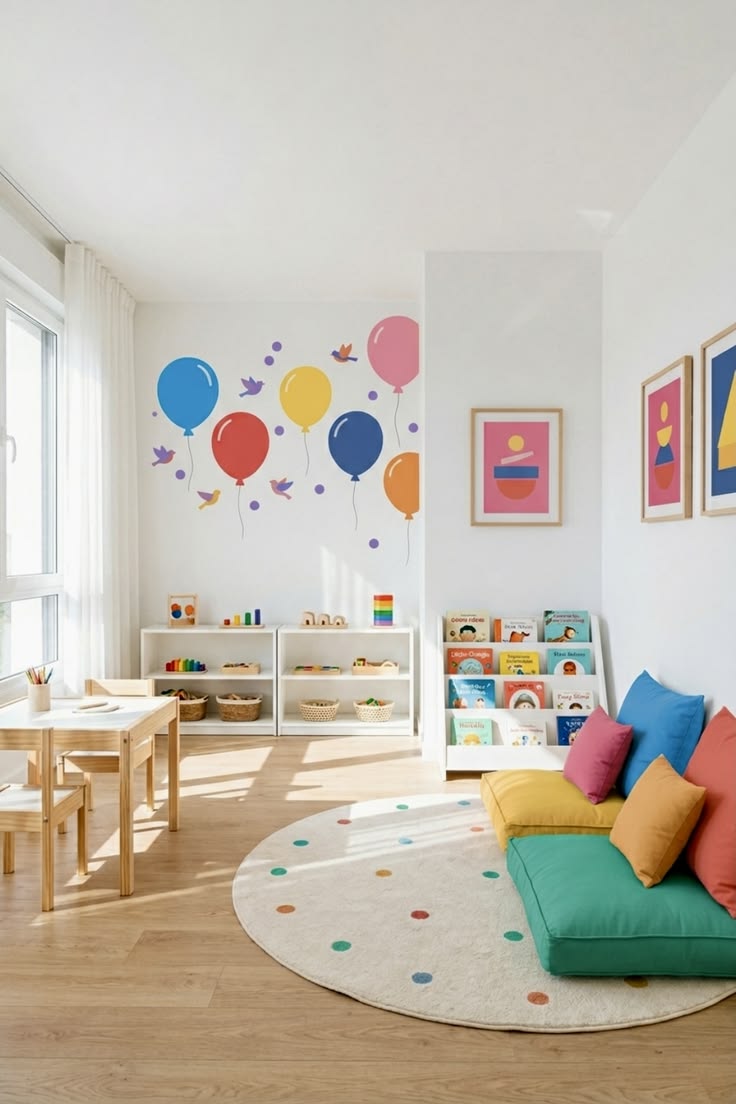
Sorting is the step that turns a messy pile into a playroom your child can actually use. Empty everything onto the floor, and group toys into categories like blocks, dolls, cars, puzzles, and art.
Seeing everything in one place can shock you, and that shock helps you make firm decisions.
Each category should fit in one bin or basket, and that bin sets the limit for that group. Puzzle pieces and board games often get lost, so keep them in zip bags or small boxes.
For a full daily system, read How to Organize Toys So Kids Can Actually Find What They Want.
Sort by type instead of by size or color, because children think about play in terms of activities. Put toys with many small parts in closed containers, and keep big, simple toys in open baskets.
Use picture labels on every bin, so even a child who cannot read yet knows where things go.
Keep the categories few, because six clear groups are easier to manage than twenty tiny ones. Test the system by asking your child to find a certain toy, and note how long it takes.
If the search is slow or confusing, adjust the categories until finding and returning toys feels easy.

Keep Only the Toys That Get Played With
Now comes the hardest part for many parents, which is deciding what to keep and what to release. Start by removing anything broken, incomplete, or clearly too young or too old for your child.
Ask your child to pick their top favorites, because their choices often surprise most adults.
Keep the toys that spark long play, like blocks, dress-up clothes, art supplies, and toy vehicles. Let go of toys that beep, flash, or play the same sound over and over again.
Those toys usually hold attention for a few minutes, and then they collect dust in a corner.
Duplicates deserve a hard look, since one set of cars or dolls is often enough for the room. Try the box test, where you place doubtful toys in a box and hide it for a month.
If your child never asks for anything inside, donate the whole box without opening it again.
Give away good toys to friends, schools, or charities, so your child sees them go to a happy home. Never throw toys out in secret, because trust matters and children notice missing favorites quickly.
A smaller collection of loved toys beats a large collection of ignored ones every single time.
Try a Toy Rotation System
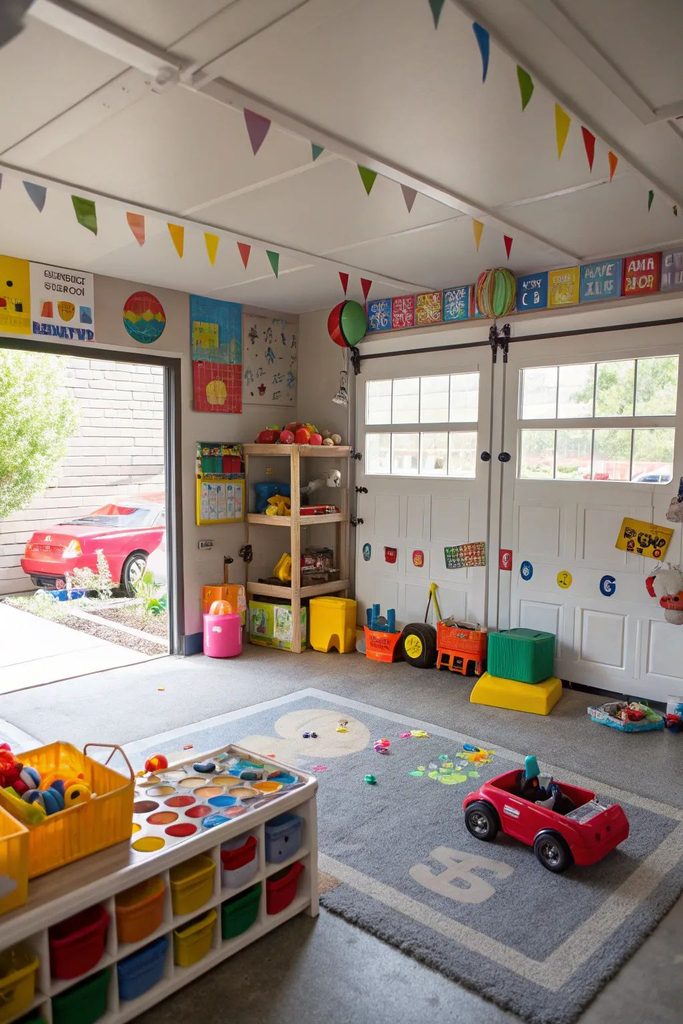
Toy rotation is one of the simplest tricks for keeping a playroom fresh without buying anything. Keep a few bins of toys out, and store the rest in a closet, attic, or garage. Every two or three weeks, swap one or two bins with something from the storage area.
Toys your child has not seen in a while feel brand new when they return. My sister started this when her son’s room overflowed, and the change surprised her in one week. He played longer with each toy, and he stopped asking for new ones at the store.
Label the storage bins by date or theme, so you know what is coming next. Keep favorite comfort toys, like a special bear or blanket, in the room all the time. Rotation works best when you swap toys of the same type, such as one puzzle for another.
Let your child help pick the next bin, since choice adds excitement and a sense of control. Set a reminder on your phone, so the routine does not slip away after the first month.
Rotation also makes cleanup lighter, since there are fewer items to sort at the end of the day.

Choose Open-Ended Toys Over Single-Purpose Ones
Open-ended toys can be used in many ways, and they grow with a child’s imagination. Blocks, magnetic tiles, wooden trains, dolls, and play silks are strong examples of this type.
A single set of blocks can become a castle today and a grocery store tomorrow.
Single-purpose toys usually do one trick, and children tire of them once they learn it. Open-ended toys also suit many age groups, so siblings can share them without any real arguments.
Art supplies like paper, crayons, clay, and paint invite creativity and never really run out of uses.
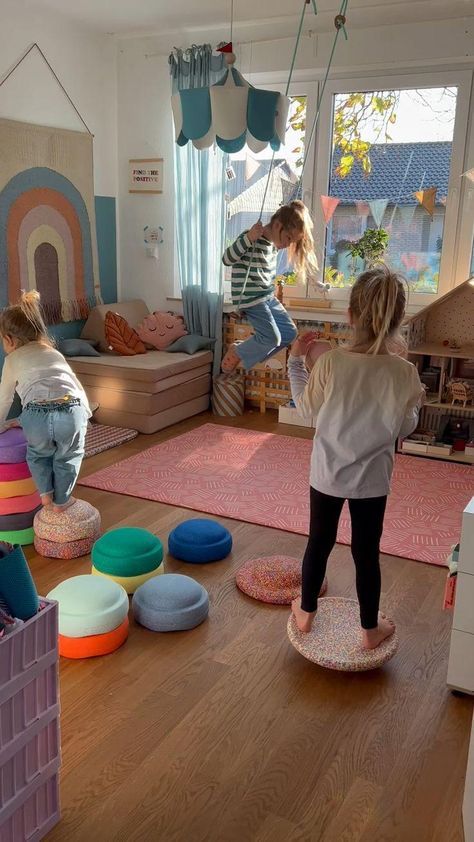
Costumes and simple props, like scarves and boxes, feed pretend play for hours at almost no cost. Simple movement items, like a soft ball, a jump rope, or a balance board, keep bodies active.
Choose sturdy materials like wood, cloth, and metal, because they last through many years of rough play.
Good toys cost more at first, but they outlast cheap plastic sets and can pass to younger cousins. Before buying anything, ask yourself if your child can use it in at least three different ways.
That single question filters out most of the toys that would only crowd the shelves.
Add Simple, Low Storage Kids Can Reach
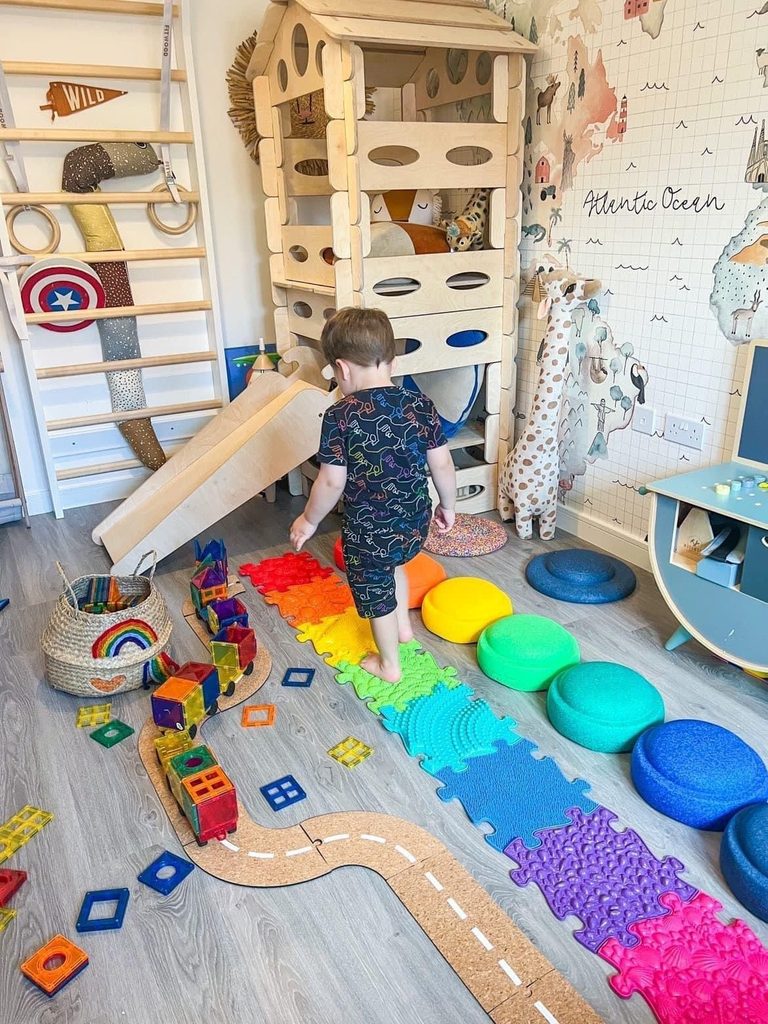
Storage should be low, open, and simple, so children can help themselves and clean up alone. Low shelves and cube units at a child’s height work better than tall cabinets with closed doors.
Fabric bins, wooden crates, and woven baskets look nice and keep toys out of sight when needed.
Storage should also look good, as The Complete Guide to Creating a Fun but Functional Kids’ Room shows. Avoid deep toy chests, because toys sink to the bottom and children dump everything looking for one thing.
Chests with heavy lids can also trap small fingers, which makes open bins the safer choice.
Leave some empty space on each shelf, since a packed shelf makes tidying feel like a puzzle. Use a mix of open shelves for favorite toys and closed bins for parts and messy supplies.
Put heavier toys on the bottom shelf, and place lighter, less-used items on higher shelves.
Wall hooks and pegs hold dress-up clothes, bags, and hats without taking up any floor space. A low bench with cubbies gives kids a seat for shoes and a home for smaller items.
Every item should have one home that a child can reach and return to without asking you.
Create Zones for Different Types of Play
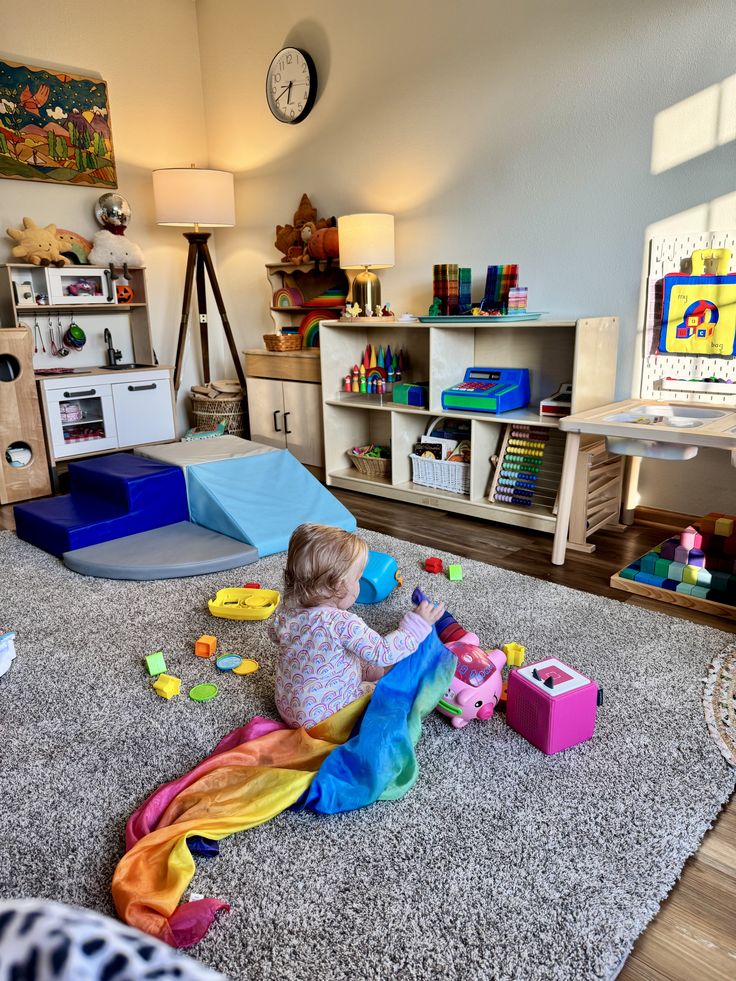
Zones give a playroom order, and they help kids know where each type of play belongs. A building zone might have a rug, a low table, and bins of blocks and construction sets.
A pretend-play zone can hold a play kitchen, dolls, dress-up clothes, and a small shop counter.
An active zone needs open floor, soft mats, and maybe a low climbing frame or balance board. Keep noisy zones away from quiet ones, so children can enjoy their chosen play without distraction.
Use rugs, low shelves, or tape lines on the floor to mark each zone clearly.
Zones also make cleanup easier, since each toy belongs to a place that is easy to remember. Three zones are plenty for most rooms, and too many can chop the space into small corners.
Place the most-used zone near the door or center, where kids naturally want to start playing.
Keep a clear open area in the middle, since children need room to move, spin, and sprawl. Let each zone have its own storage, so toys from one activity do not mix with another.
As your child changes, you can shift or merge zones without buying any new furniture at all.
Add a Cozy Reading Corner
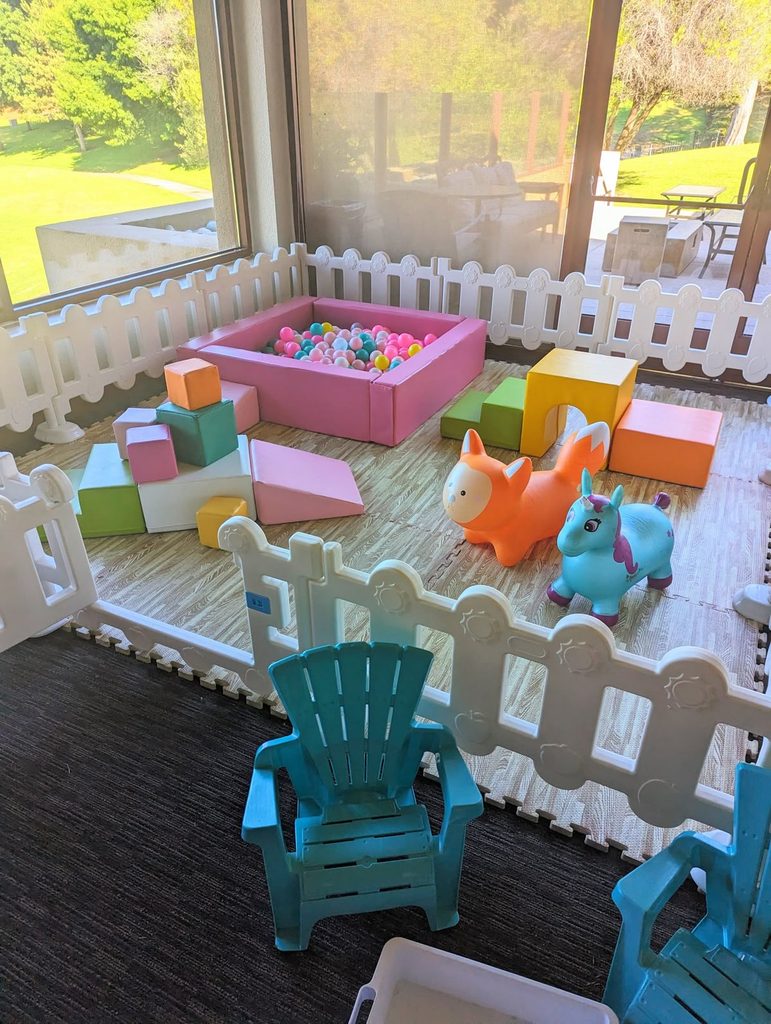
A reading corner adds calm to a busy playroom, and it invites children to slow down. All it needs is a soft cushion, a small shelf, and a warm light nearby. For step-by-step ideas, read How to Create a Reading Corner Your Child Will Actually Want to Use.
Display books with covers facing out, since children choose stories by pictures more than by titles. Keep about ten to fifteen books in the corner, and rotate them along with the toys. A canopy, a teepee, or a curtain can make the corner feel private and special.
Add a beanbag or a few floor cushions, since kids love to sprawl while they read. Place the corner away from the loudest zone, so the space stays peaceful and inviting.
Read aloud there every evening, and it will soon become your child’s favorite spot in the room.
Library visits can refill the shelf often, which saves money and keeps the choice fresh. A cozy book nook helps children build a love of stories that lasts into adulthood.

Include a Small Table for Art and Homework
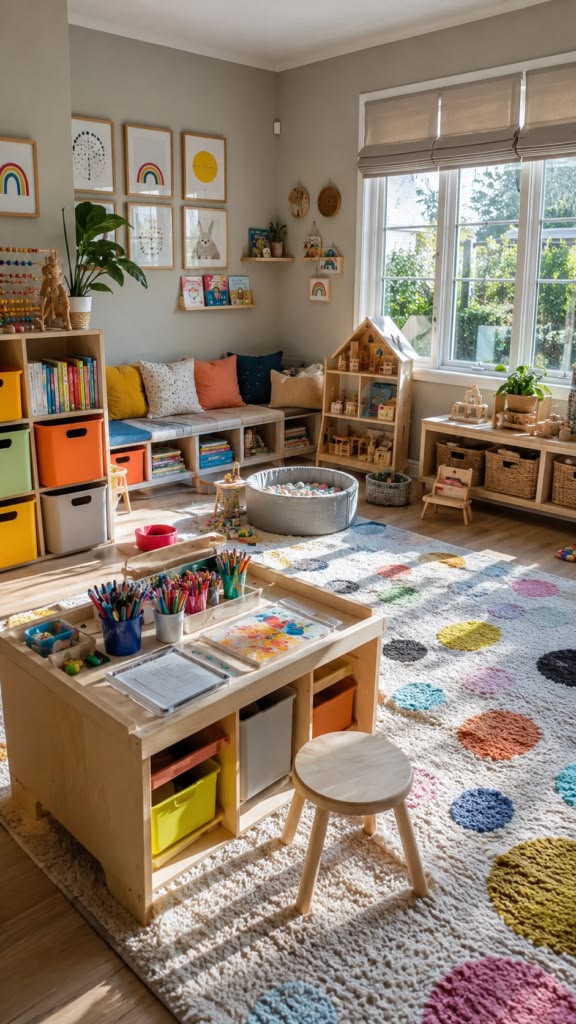
A small table gives your playroom a second purpose, since children need a spot to draw and write. Choose a table and chairs at the right height, so your child’s feet rest flat on the floor.
A washable surface saves stress, because paint, glue, and markers will end up on it sooner or later.
Keep art supplies in a caddy or a set of open jars, so everything is easy to find. Older kids need focus space, so read How to Create a Kids’ Study Space That Encourages Better Focus.
Homework in the playroom can work if you set clear times and remove distracting toys temporarily.
A simple cloth cover or a rolling cart can hide the toys during study time. Display finished artwork on a string with clips, so children see their work and feel proud. Take photos of older drawings and store the paper copies in a single box each year.
Cover the floor under the table with a mat or old sheet before messy projects begin. Good lighting over the table protects little eyes and makes drawing and reading more comfortable.
A table like this turns the playroom into a creative studio and a study hall in one.

Design a Playroom That Grows With Your Child
Children’s tastes change fast, so a playroom built for a toddler will feel wrong within a few years. Neutral walls and flooring give you a steady base, and toys can supply all the color.
Furniture should adjust or move easily, so the room can shift from crawling to crafting to chatting.
For a full plan, read How to Design a Kids’ Bedroom That Grows With Your Child. Many of those ideas work in a playroom too, especially the tips about flexible furniture.
Plan to swap baby toys for board games, craft kits, and building sets as your child ages.
Keep shelves adjustable so you can space them for picture books now and thick binders later. Tweens may want a hangout area with beanbags, a small speaker, and a space for friends.
Ask your child every six months what they would change, and treat their answers seriously.
Even small updates like a new rug or fresh cushions can refresh the room for a new stage. A flexible design saves money, and it prevents the sad moment when a beloved room feels outgrown.
Think about the playroom you want in five years, and choose pieces that would still fit.
Handle Gifts and Birthdays Without the Pile-Up
Gifts are a joy, but they are also one of the biggest ways toys flood a home. Talk with grandparents and friends early, and share a short list of toys your child truly wants. Suggest gifts that are not toys, like classes, tickets, books, or a shared family day out.
A neighbor of mine asks guests for books at birthdays, and her daughter’s shelf now overflows with stories. Her home stays calm, and the birthday party still feels special and full of fun surprises.
Use a one-in, one-out rule, so each new toy means an older one leaves for donation.
Store new gifts in a closet, then bring them out slowly over the following weeks. Slow release makes each toy feel special, and it fits neatly into your rotation system.
Skip party favors and goodie bags at your own parties, since they often become instant clutter.
Offer to donate unwanted duplicates together with your child, so giving feels like a shared good deed. Being kind to relatives while staying firm about space is a balance that gets easier with practice.

Encourage Independence and Tidy-Up Habits
Children who can reach their own toys and put them away feel proud and capable. This idea sits at the heart of How to Create a Montessori-Inspired Kids’ Room Without Redoing Everything.
You do not need special furniture, only low shelves, open baskets, and a place for everything.
My niece learned to tidy her playroom at three, using picture labels on her bins. She matched each toy to its picture, and she treated cleanup like a small game. Show your child the routine once, then step back and let them try it alone.
Give a five-minute warning before cleanup starts, because sudden stops often lead to protests and tears. Play a favorite song during cleanup, and end the task when the song finishes playing.
Praise effort and progress, not perfection, since a messy shelf can still be a big step forward.
Tidy up together at first, then slowly hand over more of the job as your child grows. Children copy adults, so keep your own shared spaces neat and let them see you put things back.
Independence built during play often spreads into bedtime, mealtimes, and daily school routines over time.

Make a Small Space Work
Not every home has a spare room, but a small corner can still make a wonderful playroom. For tight spaces, read How to Make a Small Kids’ Bedroom Feel Bigger and More Functional.
Use vertical space with wall shelves, and keep the floor as open as possible for play.
Folding tables, stackable stools, and rolling carts let you clear the area when guests arrive. A living room can host a play zone if toys stay in one or two matching baskets. Choose baskets that look like part of the decor, so the room still feels adult-friendly.
A large ottoman with storage can hold toys and serve as a coffee table at once. Hide the play area behind a folding screen or a curtain when playtime is over.
Under-stair spaces, window seats, and bedroom alcoves often hide great play spots that few families use.
Limit the toy count even more in a small space, and stick firmly to your rotation plan. Mirrors and light colors make a tiny corner feel larger and brighter for both parents and kids.
Small does not mean worse, because a tidy little nook often gets more use than a giant messy room.

Plan for Siblings Who Share
Siblings can turn a peaceful playroom into a battleground if the rules and zones are unclear. For more than one child, read What Every Parent Should Know Before Designing a Shared Kids’ Bedroom.
Give each child a personal bin for their own special toys that are not for sharing.
Everything outside those bins belongs to the whole group, and everyone can use it with care. Set simple rules, like taking turns, asking before borrowing, and putting things back where they belong.
A timer can settle arguments about who gets the favorite toy, since it keeps turns fair.
Older children may need a high shelf for delicate projects that little siblings cannot reach. Age-friendly zones help too, with a baby-safe area on the floor and a bigger-kid table above.
Hold a short family meeting each month to discuss what is working and what needs to change.
Praise cooperation when you see it, because kids repeat behavior that earns warm attention from parents. Friends who visit should also know the house rules, so ask kids to explain them kindly.
A fair, clear setup turns shared play into teamwork, and it teaches lessons no toy can offer.
Wrapping Up
A great playroom does not need a mountain of toys, only a clear purpose and a smart, simple setup. Choose a bright, safe space, sort toys into categories, and keep only the ones your child truly loves.
Rotate toys every few weeks, favor open-ended play, and store everything low, open, and easy to reach.
Zones, a cozy reading corner, and a small table give the room order without making it feel rigid. Plan for growth, guide gifts kindly, and teach your child that tidying is part of playing.
Small homes and shared rooms can enjoy the same benefits with a little creativity and patience.
Fewer toys, better spaces, and steady habits give children deeper play and give parents more calm. Start small by clearing one shelf or one bin this weekend, and watch how your child responds.
Kids enjoy spending time in a room that feels like theirs, and that joy grows with a good plan. Take it one step at a time, and let your playroom become the happiest room in your home.

