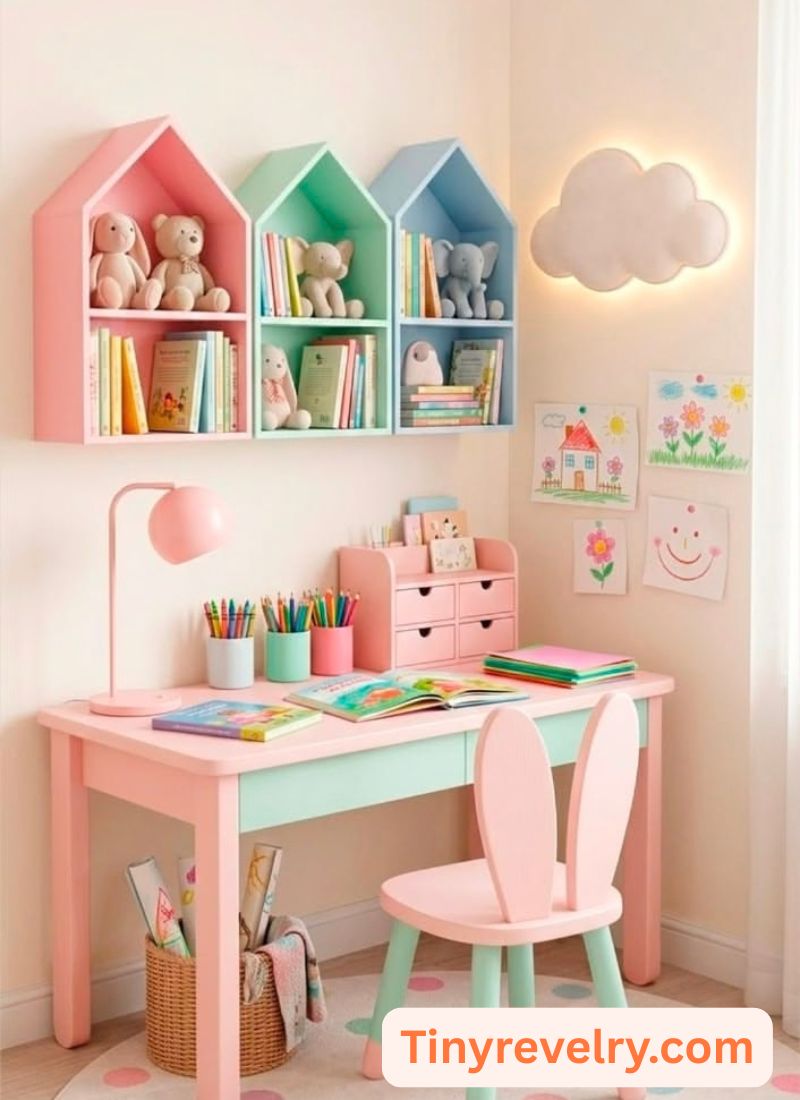
A study space helps kids focus more on their studies, especially if it’s where they can’t easily get distracted by anything. Homework often falls apart not because a child lacks ability, but because the setup around them works against focus. Noise, clutter, and poor lighting can turn a simple worksheet into a long, frustrating battle.
The good news is that a few thoughtful choices can transform any spare corner into a focused study zone. A calm desk area matters everywhere in the home, and How to Design a Kids’ Bedroom That Grows With Your Child covers the basics well.
This guide walks through the location, furniture, lighting, and habits that support real concentration in children. You will learn how to build a space your child actually wants to sit down and use. None of these changes require a big budget, only a little planning and careful observation.
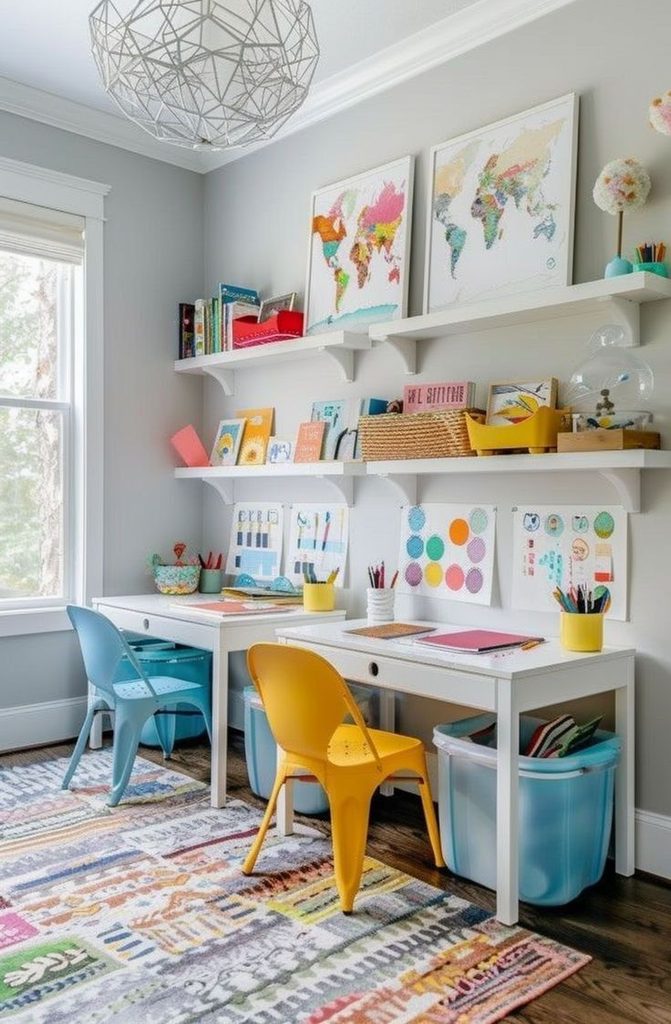
How to Create a Kids’ Study Space That Encourages Better Focus
Choose a Location Away From Distractions
Location shapes focus more than almost any other single factor in a child’s study routine. A spot near a television, a busy hallway, or a noisy kitchen invites constant interruption and wandering attention.
Look instead for a quiet corner, a spare nook, or a section of the bedroom set apart.
A desk facing a blank wall usually works better than one facing a window full of outside activity. If the bedroom holds too many toys nearby, consider How to Organize Toys So Kids Can Actually Find What They Want as a starting point.
Keep the study spot away from the bed, since proximity to sleep can encourage lying down instead of working.
Test a few locations over a week, and watch where your child seems to concentrate the longest. Some children focus best in total quiet, while others prefer a low hum of background activity nearby.
Neither approach is wrong, since children’s brains simply process background sound in quite different ways. Trust what you observe over what you assume, since every child responds differently to their surroundings.
A well-chosen location does much of the work before a single pencil even touches the paper. Getting this one decision right often makes every later choice in the room much easier.

Pick a Desk and Chair Sized for Your Child
Furniture that fits properly supports both comfort and concentration during long study sessions at home. A desk that is too tall or too short forces awkward posture, which tires a child quickly.
Choose a chair where your child’s feet rest flat on the floor, with knees bent at roughly ninety degrees.
An adjustable desk and chair combination can grow with your child across several school years. For more on furniture sized for a small room, see How to Make a Small Kids’ Bedroom Feel Bigger and More Functional.
A footrest can help younger children whose feet do not yet reach the floor comfortably. A small box or a stack of sturdy books can serve the same purpose in a pinch.
Keep the desk surface large enough for a laptop, books, and paper without feeling cramped or crowded. Avoid overly soft or reclined seating, since a slouched posture makes it harder to stay alert and focused.
An upright, supported seat keeps blood flowing and energy levels steadier during longer study sessions. Test the setup yourself by sitting there for ten full minutes and noticing any discomfort.
Comfortable, properly sized furniture removes a physical barrier that often gets blamed on a lack of willpower. Many focus struggles quietly trace back to a chair or desk that never quite fit.

Keep the Desk Surface Clear and Simple
A cluttered desk pulls attention away from the task at hand, even when a child means to focus. Keep only the current assignment, a pencil case, and maybe a water bottle on the desk itself. Store ev
erything else, like art supplies or toys, in a separate area away from the study zone.
For general storage strategies, read How to Organize a Kids’ Room When There Is Barely Any Storage for practical tips. A small caddy or drawer can hold pens, erasers, and rulers without spreading them across the surface.
Clear the desk together at the end of each study session, so it starts fresh the next time. A visual field with fewer objects genuinely helps children concentrate, according to research on classroom environments.
Avoid decorating the desk itself with too many stickers, toys, or collectibles that invite fiddling. Small objects within reach almost always end up in a child’s hands within a few minutes.
A simple, tidy surface signals that this space is for focused work, not for open-ended play. Children pick up on these small cues faster than most parents ever tend to expect.
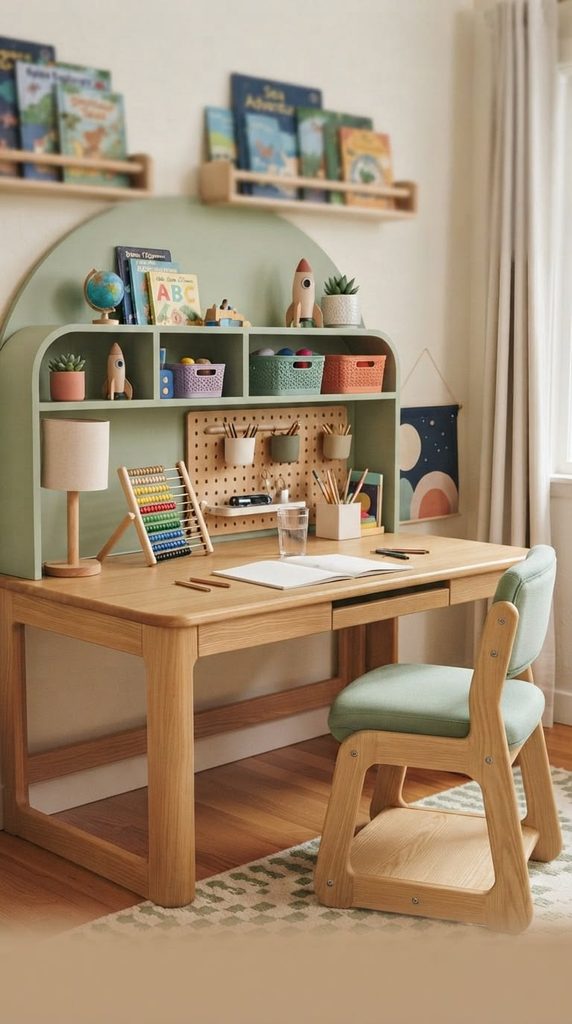
Reduce Visual Clutter in the Surrounding Area
What surrounds the desk matters almost as much as what sits directly on top of it. A wall covered in posters, photos, and colorful decorations can compete for attention during quiet study time.
Choose a calm, muted color for the wall directly facing the desk, if possible within the room.
Balancing personality with function matters throughout a child’s room, as The Complete Guide to Creating a Fun but Functional Kids’ Room explains.
Keep toy bins and play areas out of direct eyeline from the desk chair whenever the layout allows it.
A single motivational print or a small plant can add warmth without becoming a distraction. Avoid placing the desk facing a television, a mirror, or a busy shelf full of items.
If the room is small, a room divider or curtain can visually separate the study zone from play. Even a simple bookshelf turned sideways can create that same helpful sense of separation nicely.
A calmer visual field around the desk helps a child’s eyes, and mind, settle more easily into work. A busy backdrop can quietly drain focus long before a child notices the effect themselves.
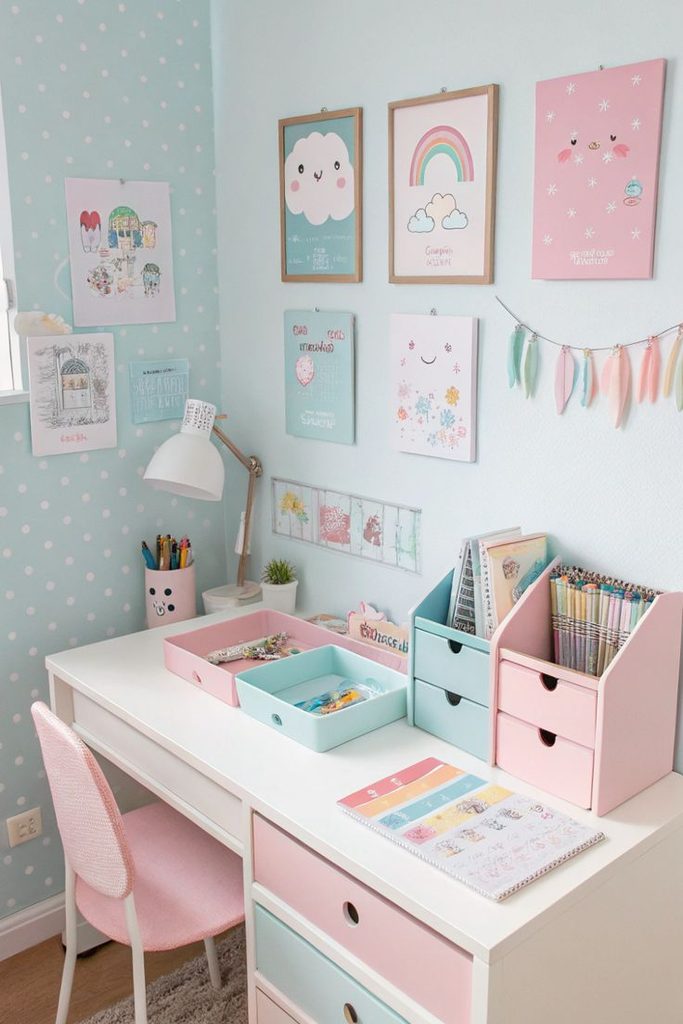
Control Noise Levels in the Study Area
Noise disrupts concentration more than most parents realize, especially for children still building their focus skills. A quiet room supports deep work, while a noisy one fragments attention into short, scattered bursts.
If total quiet is not possible, consider noise-canceling headphones or simple soft earplugs during study time.
Soft instrumental music or white noise can mask sudden household sounds for some children, though not all. Test both silence and background sound, since children respond quite differently to each of these options.
Let siblings know when study time begins, and set clear expectations about keeping noise down nearby.
For advice on managing shared spaces, see What Every Parent Should Know Before Designing a Shared Kids’ Bedroom. A closed door, a sign, or a simple signal can tell the household when focus time has started.
Younger siblings often respond well to a simple picture card hung on the bedroom door.
Consistent noise management trains a child’s brain to associate that space with settling into deep concentration. Over time, simply sitting down in that spot can trigger a calmer, more focused mindset.

Set Up Lighting That Supports Concentration
Good lighting reduces eye strain and keeps a child alert during longer study sessions at the desk. Natural daylight is ideal, so position the desk near a window whenever the room’s layout allows it.
Add a desk lamp with a warm-to-neutral bulb for evening study, positioned to avoid casting shadows.
Avoid dim, yellow overhead lighting alone, since it can make a child feel sleepy rather than alert. A lamp placed on the opposite side of the writing hand prevents shadows from falling across the page.
Adjustable lamps let you change the angle and brightness depending on the time of day.
Bright, harsh light can cause glare on glossy paper or a laptop screen, so test the angle carefully. A quick check at different times of day reveals problems that are easy to fix.
Dimmer evening light paired with a focused desk lamp can help separate study time from winding-down time.
Consistent, comfortable lighting removes one more small barrier standing between a child and steady, focused work. It is an easy fix that many families overlook until eye strain becomes a real problem.

Build In Storage for School Supplies
Supplies scattered across the house waste time and break a child’s concentration before work even begins. A small shelf or drawer unit near the desk can hold textbooks, folders, and everyday supplies.
Label each section clearly, so your child can find and return items without asking for help.
For a full organizing approach, that same storage guide has useful ideas that apply here too. Keep a rotating folder system for current assignments, kept separate from finished or older schoolwork.
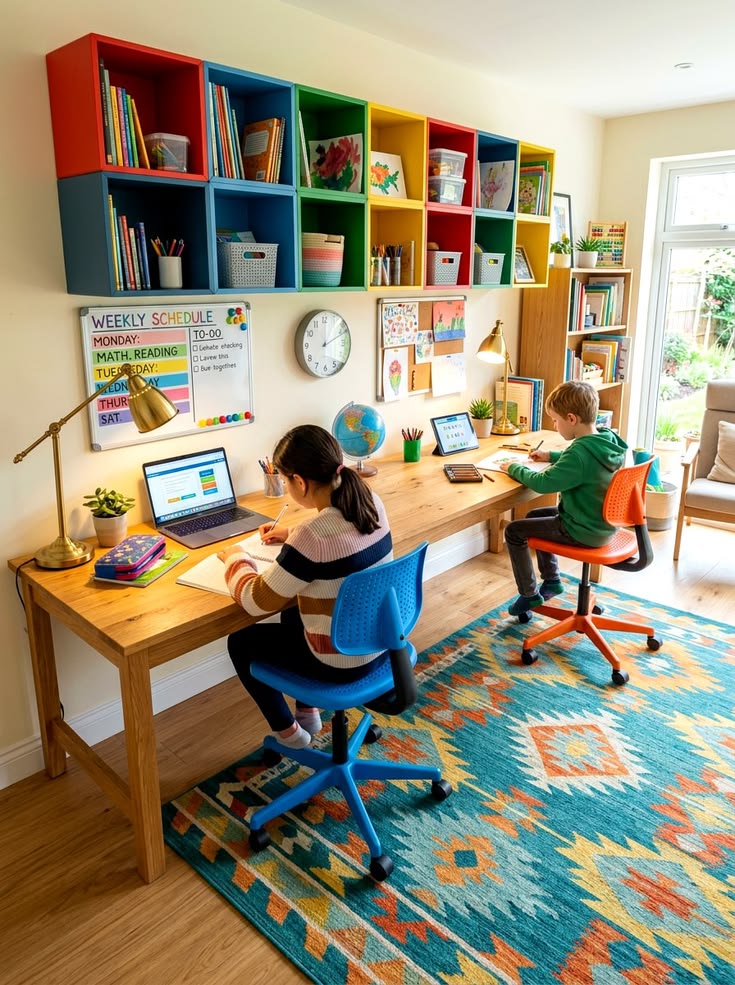
A small corkboard or whiteboard nearby can hold a weekly schedule, due dates, and quick reminders. Store backup supplies, like extra pencils and paper, in a drawer instead of leaving them loose.
A well-stocked, organized supply area prevents the common excuse of not being able to find anything. It also saves valuable minutes at the start of every single homework session throughout the week.
Review the supplies every few weeks, replacing anything broken, empty, or no longer needed for current classes. This small habit keeps the space ready without a single frantic search on a school morning.

Add a Visual Schedule or Timer
Children often focus better when they can see the shape of their study time laid out clearly. A simple visual schedule, listing subjects or tasks in order, gives structure to an open-ended homework session.
Younger children respond well to pictures or icons, while older kids can use a written checklist instead.
A visible timer helps too, since many children focus better in short, defined bursts rather than long stretches. Try twenty minutes of focused work followed by a five-minute break, then repeat the cycle as needed.
Let your child check off each completed task, since visible progress builds motivation to continue working. Watching a list shrink often feels more rewarding than any verbal encouragement from a parent.
A kitchen timer, a sand timer, or a simple phone app can all serve this purpose well. Avoid using a timer that adds pressure or anxiety, and adjust the intervals based on your child’s age.
A predictable rhythm of work and rest helps prevent the mental fatigue that often derails longer study sessions. Children who know a break is coming often push through the harder stretches more willingly.

Remove Digital Distractions Where Possible
Phones, tablets, and unrelated screens are some of the biggest focus killers in a modern study space. Keep phones in another room during study time, or use a basket near the door for temporary storage.
If a laptop is needed for homework, close unrelated tabs and apps before starting any assignment.
Website blockers or focus apps can limit access to games and social media during set study hours. Explain the reasoning behind these limits calmly, so your child understands the goal rather than feeling punished.
Model the same behavior yourself, since children notice when adults ask for focus but stay glued to their own screens. Consistency between what you ask and what you do builds real trust over the years.
Keep entertainment devices, like game consoles, physically located well outside the study area at all times. A device-free zone, even for just thirty minutes, can dramatically improve the quality of focused study time.
Over time, children often report feeling calmer and less scattered once digital noise is removed from the space. Many describe the quiet as strange at first, and then genuinely easier to work within.
Personalize the Space Without Overdoing It
A study space still needs to feel like it belongs to your child, not like a sterile office. Let your child choose one or two decorative touches, like a favorite color for the desk chair.
A small plant, a framed photo, or a favorite mug for pencils can add warmth without clutter.
Personal touches build ownership, which makes a child more willing to actually use the space regularly. Keep the personalization light, though, since too many items can slide back into visual distraction over time.
Ask your child what would make the space feel more inviting, and listen closely to their answer. Their ideas are often simpler and cheaper than anything a parent might have guessed alone.
This idea shows up across a child’s whole room, not only the study desk, as The Best Way to Create a Playroom Without Filling Your Home With Toys explains.
A space that feels chosen, rather than imposed, earns far more willing use from a reluctant young student. Even one personal touch can shift a child’s attitude from resistance to something closer to pride.

Create a Consistent Study Routine
Consistency trains the brain to shift into focus mode more quickly once a routine becomes familiar. Study at roughly the same time each day, so it becomes a predictable part of the daily rhythm.
A short warm-up ritual, like organizing supplies or reviewing the day’s tasks, signals that focus time has begun.
Keep the routine flexible enough to adjust for different homework loads across the school week. Avoid starting study time immediately after a long day at school, and allow a short break first.
A consistent end point also matters, so your child knows exactly when the work session is finished.
Praise effort and consistency over grades alone, since motivation grows stronger when tied to controllable habits. A child cannot always control the outcome, but they can control the effort they bring.
Over weeks and months, a steady routine turns focus into something automatic rather than something forced every single day. The early weeks take the most effort, and the payoff grows steadily after that point.

Adjust the Space for Different Learning Styles
Not every child studies the same way, so the ideal setup depends heavily on personal learning preferences. Some children focus best sitting upright at a desk, while others concentrate well lying on the floor.
Offer some flexibility within the study zone, like a floor cushion as an alternative to the chair.
Visual learners may benefit from color-coded folders, charts, or sticky notes near the study area. Auditory learners might focus better with soft background music or the option to read assignments aloud quietly.
Kinesthetic learners often focus better after a short burst of movement, like stretching or a quick walk.
Watch your child’s habits closely, and adjust the space based on what actually helps them concentrate. There is no single perfect setup, only the one that matches your particular child’s needs and preferences.
Trial and error over a few weeks usually reveals what genuinely works best for them. Flexibility within a consistent routine often produces better results than rigid rules applied the exact same way.
Every child is different, and a setup that respects that difference tends to hold up longer.

Handle Study Time for Siblings Sharing a Room
Shared bedrooms add extra challenges when two children need to study at different times or paces. As mentioned earlier, staggering routines helps most, so one child is not distracted by another’s movement or conversation.
Give each child their own small supply area, even if the desk itself must be shared. Owning even a small drawer of personal supplies can reduce friction over borrowed pencils and paper.
Noise-canceling headphones can help one child focus while a sibling plays or works on something else nearby. A simple signal, like a closed door or a small flag, can indicate when focus time is active.
Rotate who gets the quieter time slot, so neither child consistently loses out on ideal study conditions. A simple weekly swap keeps the arrangement feeling fair to both children over the long term.
Shared spaces require more communication, but a study routine can still work well with a bit of planning. Most families find a workable rhythm within the first few weeks of trying it out.
Support Focus With a Calm Reading Habit
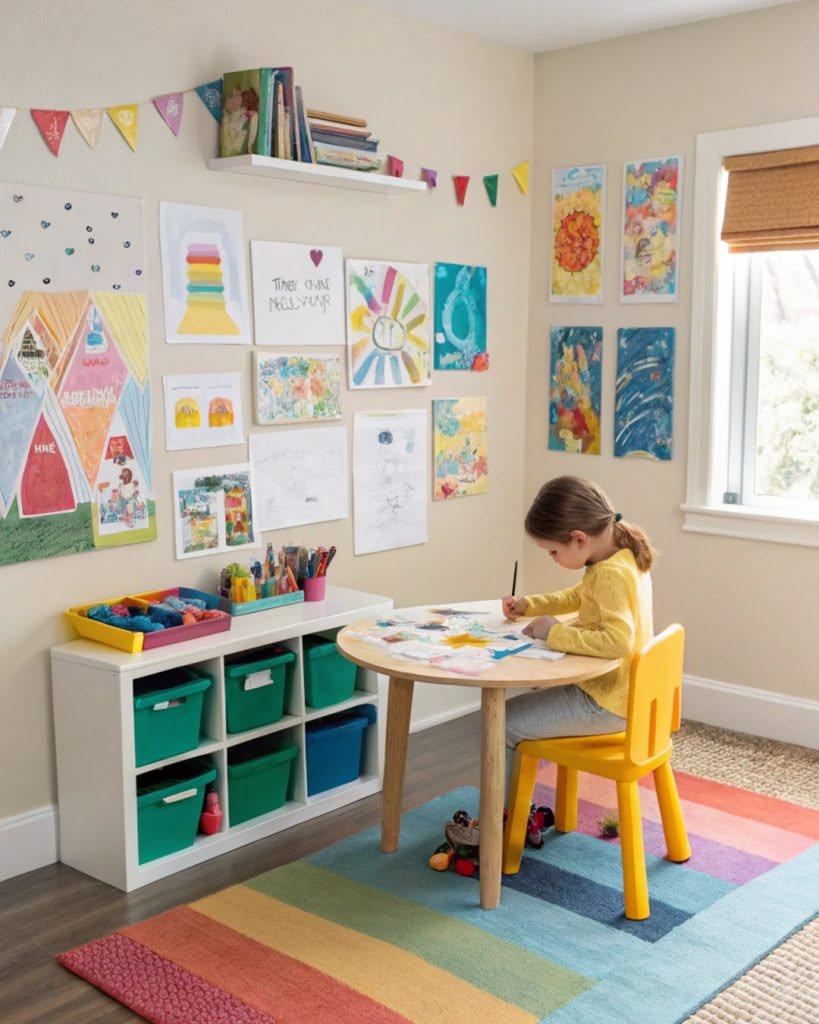
Reading regularly builds the same focus muscles that homework and study time also depend on heavily. A nearby reading corner can serve as a calming transition before or after a harder study session.
For ideas on building that space, see How to Create a Reading Corner Your Child Will Actually Want to Use.
Encourage a few minutes of quiet reading as a warm-up before tackling more demanding schoolwork. This transition period helps shift a child’s mind from play mode into a calmer, more focused state.
Even five quiet minutes with a book can noticeably change the tone of the room. Keep the reading spot distinct from the study desk, so each area serves its own clear purpose.
A child who reads regularly often develops longer attention spans that carry directly into other areas of study. That patience shows up in math problems, science projects, and long writing assignments as well.
Small, consistent reading habits quietly support the bigger goal of steady, reliable focus during homework time. Ten minutes of pleasure reading before homework often eases the transition into harder, more demanding work.

Apply Montessori Principles to the Study Space
Child-led learning ideas fit naturally into a well-designed study space, even for children well beyond toddler age. For more detail, see How to Create a Montessori-Inspired Kids’ Room Without Redoing Everything for related ideas.
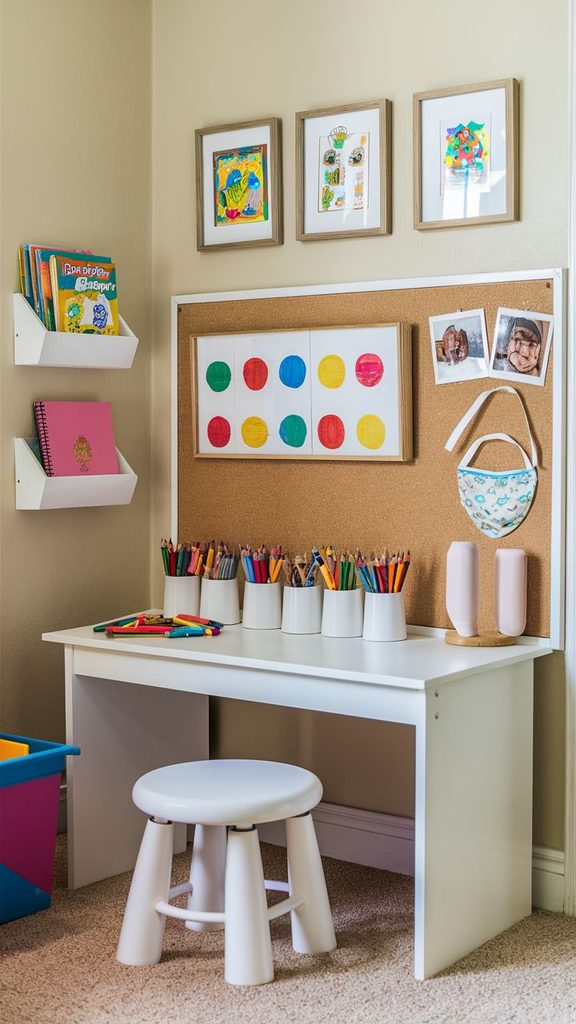
Give your child ownership over organizing their own supplies, rather than managing everything for them.
Low, open storage supports independence, letting a child fetch what they need without constantly asking for help. Order and consistency in the space reduce decision fatigue, freeing mental energy for the actual schoolwork ahead.
Let natural consequences guide learning too, such as a missing pencil teaching the value of a tidy drawer.
This approach builds real independence over time, which supports focus far more than constant parental reminders ever could.
A child who manages their own study space often develops stronger self-discipline as they move through school. That discipline tends to carry well beyond homework, showing up in chores and other routines.
Know When to Step Back and Offer Support
Even a perfectly designed study space cannot replace a parent’s attentive presence during difficult homework days. Check in occasionally without hovering, offering help only when your child seems genuinely stuck or frustrated. Watch for signs of real struggle, like tears, avoidance, or repeated complaints about a specific subject.
Sometimes a focus problem points to something beyond the physical space, like fatigue, hunger, or anxiety. Ruling out these simpler causes first can save weeks of unnecessary furniture rearranging and worry.
A snack, a short break, or a few minutes of movement can sometimes solve what furniture alone cannot. Basic needs almost always come before any lesson about concentration or discipline can truly land.
Watch for these signs early, since they are far easier to address than an entrenched habit of avoidance. Stay calm and patient, since frustration from a parent rarely helps a struggling child concentrate better.
A tense room almost always makes focus harder, no matter how well the desk is arranged.
If focus problems persist despite a well-designed space, consider talking with a teacher for additional insight. A teacher often notices patterns at school that never show up during homework at home.
A good study space is a strong foundation, but it works best alongside patience and steady parental support. No amount of furniture or lighting can replace a calm, attentive adult checking in occasionally.
Wrapping Up
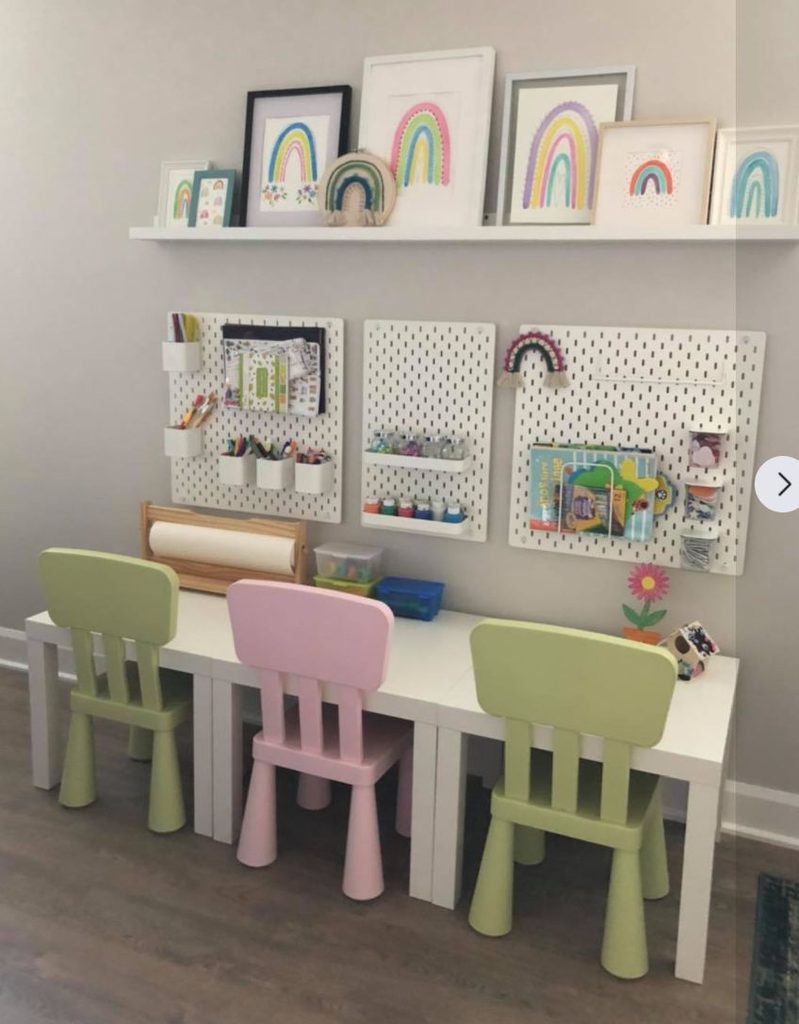
A study space that supports focus combines the right location, comfortable furniture, and a calm, uncluttered surrounding area. Control lighting and noise carefully, and keep digital distractions out of reach during dedicated study time.
Add structure through routines, timers, and visual schedules, while still leaving room for your child’s own learning style.
Storage, personalization, and a nearby reading habit all quietly support the bigger goal of steady, reliable concentration. Shared rooms need extra planning, but focus is still achievable with clear signals and staggered study times.
These choices work together, and no single change matters as much as the whole thoughtful system. Building the system slowly, one piece at a time, works better than trying everything at once.
A study space helps kids focus more on their studies, and that focus grows stronger with steady, patient effort. Start with one small change this week, like clearing the desk or adjusting the lighting.
Small, consistent improvements will turn homework time from a daily struggle into a calmer, steadier routine. Give any single change a few weeks before deciding if it has truly made a real difference.

