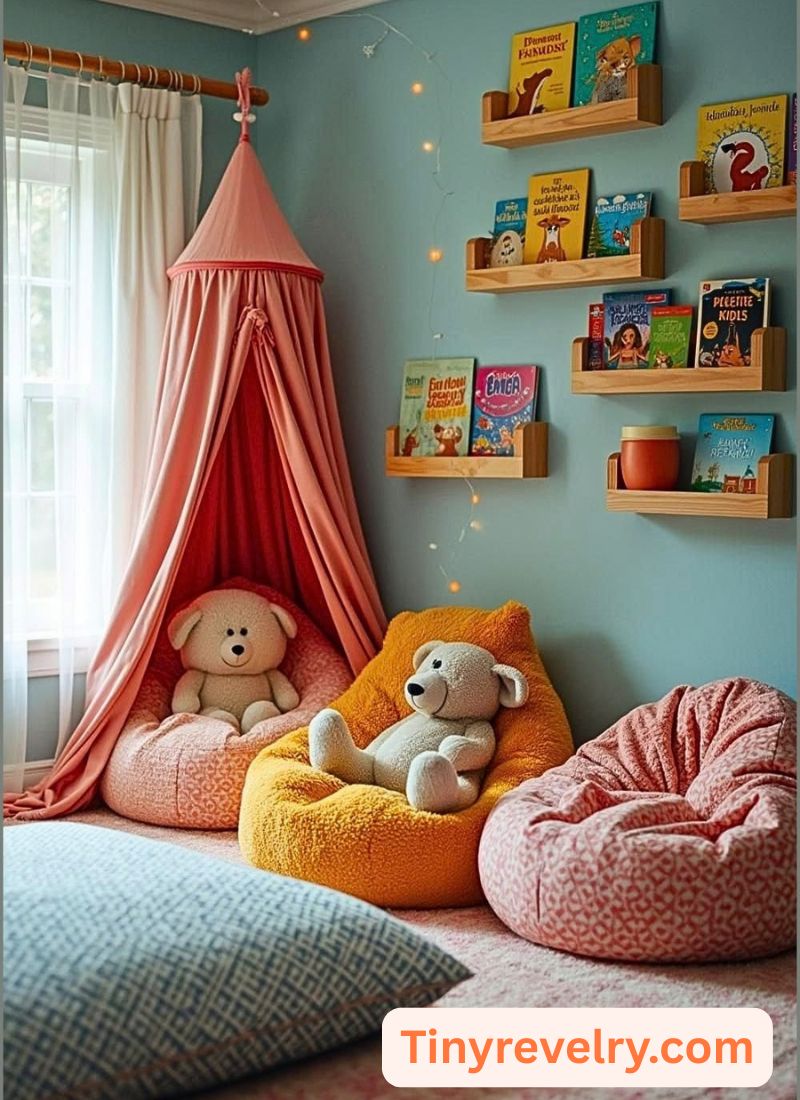
Beautiful and colorful things attract kids’ eyes, and they can spend more time than usual in a particular place just because the place looks beautiful, and that’s the goal when creating a reading space for them. A reading corner is not just a shelf and a chair pushed into a spare corner. It is a small, inviting world that pulls your child away from screens and toward stories.
Many parents buy books and hope their child will read more, but the setup matters just as much. A calm, pretty spot can turn reading from a chore into something your child actually chooses. Reading pairs well with a calm bedroom overall, so see How to Design a Kids’ Bedroom That Grows With Your Child too.
This guide walks through every part of building a reading corner that gets used every single day. You will learn how to pick the spot, the furniture, the lighting, and the books that matter most. Each choice builds on the last, so small early decisions shape the whole final result.
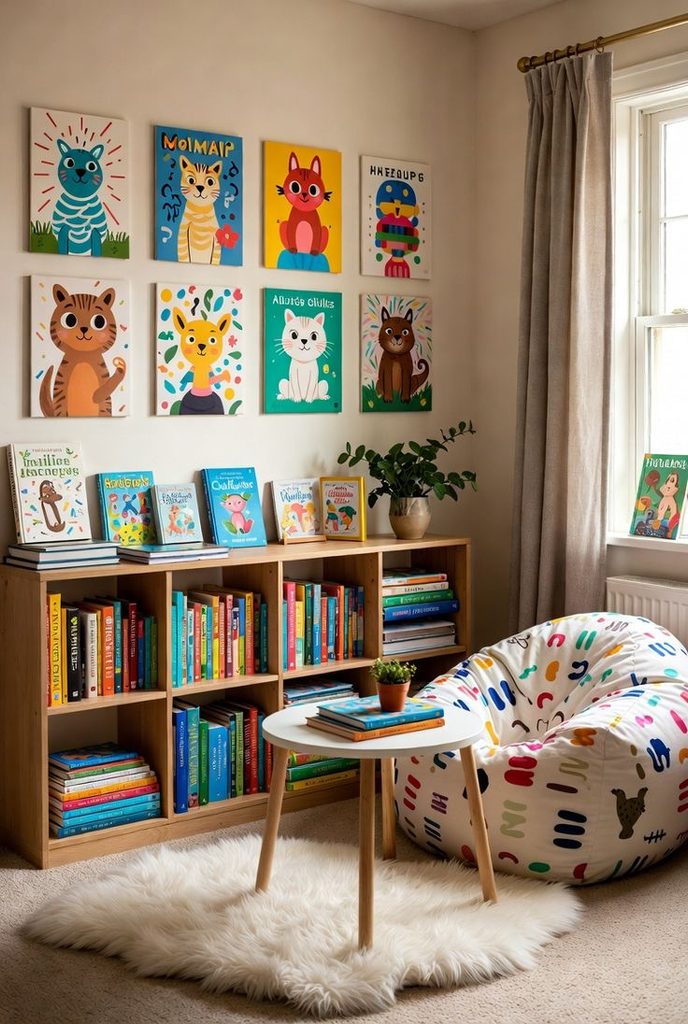
How to Create a Reading Corner Your Child Will Actually Want to Use
Why a Dedicated Reading Spot Matters
Children build habits around places, not just around activities, so a fixed spot for reading helps enormously. When a child always eats at the same table, eating there becomes automatic and easy.
The same idea applies to reading, since a familiar chair or rug signals that story time has begun.
Without a dedicated spot, books often end up scattered, ignored, or buried under toys and clothes. A clear reading corner keeps books visible, inviting, and ready the moment your child feels like reading.
It also gives your child a small retreat, a place to calm down after a busy day.
Research on reading habits links a print-rich home environment with stronger, more consistent reading behavior in children. A reading corner does not need to be large, expensive, or perfectly matched to a theme.
It only needs to feel comfortable, personal, and separate from noisy, high-energy parts of the room.
Over time, that corner becomes associated with calm, focus, and imagination in your child’s mind. That association is worth building early, since reading habits formed young often last into adulthood.
A single cozy corner today can quietly shape decades of enjoyment much later in life.
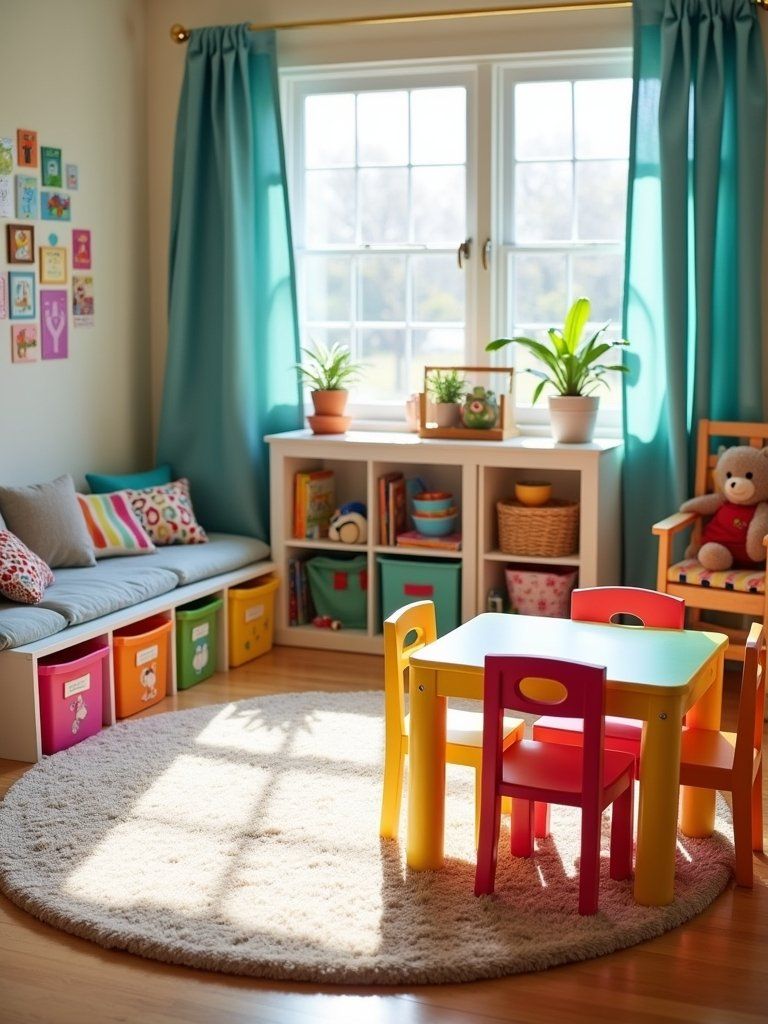
Choose the Right Location in the Room
Location shapes how often a reading corner actually gets used throughout an ordinary, busy week. Look for a spot away from the busiest parts of the room, like the door or the main play area.
A corner near a window offers natural light, which makes reading more pleasant during the day.
Avoid placing the corner directly in a high-traffic path, since foot traffic disrupts focus and comfort. If the room is small, a nook beside the bed or under a window can work well.
For tight spaces, How to Make a Small Kids’ Bedroom Feel Bigger and More Functional offers useful layout ideas.
Consider noise levels too, since a spot far from a shared play area stays quieter for reading. A corner slightly separated by a rug, a low shelf, or a curtain feels more special.
Children often prefer enclosed, cozy spaces, so a nook against two walls can feel extra inviting.
Test a few locations for a full week before committing to any permanent furniture or decor. Watch where your child naturally gravitates when they pick up a book on their own.
That instinct often points to the best possible spot for the corner you are planning to build. Trust that instinct over any design plan, since comfort always matters more than appearance alone.

Pick Comfortable, Kid-Sized Seating
Comfort is the foundation of any good reading corner, since discomfort ends reading sessions quickly. A beanbag chair molds to a child’s body and invites them to sink in and relax.
Floor cushions work well too, and they are easy to store when the corner needs to shrink.
A small armchair scaled to your child’s size gives them a spot that feels truly their own. Avoid oversized adult furniture, since a child can feel lost or uncomfortable in a chair built for grown-ups.
Add a soft throw blanket, since warmth adds comfort during cooler months and rainy afternoons.
A canopy or a tent structure over the seating area creates a cozy, enclosed feeling that kids love. Test the seating yourself, since if it feels uncomfortable to you, it likely feels the same to a child.
Rotate seating options occasionally, since a fresh cushion or chair can renew interest in the corner.
Keep the seating low, since low seating feels safer and cozier to young children than tall furniture. A well-chosen seat turns fifteen minutes of reading into forty-five without your child even noticing the difference.
Comfort quietly does more work in this corner than any poster, sticker, or themed decoration ever could.

Display Books With Covers Facing Out
Spine-out shelving might look tidy, but it hides the very thing that draws children toward a book. Covers show characters, colors, and clues about the story, which pulls a child in immediately.
A simple wall-mounted picture ledge lets you display several books with their covers fully visible at once.
Rotate the displayed books every week or two, so the same few titles do not go stale. Keep the display low, at your child’s eye level, so browsing feels natural and requires no help.
A slim rain-gutter shelf, mounted along the wall, works as a cheap and effective book ledge.
For general storage ideas beyond the display shelf, read How to Organize a Kids’ Room When There Is Barely Any Storage. Limit the number of displayed books to around ten or twelve at any one time.
Too many options can overwhelm a young reader and make choosing a book feel stressful. Keep the rest of the collection nearby but tucked away, ready to rotate in when interest fades.
A rested title often feels brand new to a child after a few weeks away. A well-curated, cover-facing display does more to encourage reading than a packed, spine-out bookcase ever could.
Less choice, presented well, almost always beats more choice presented in a cluttered, confusing way.
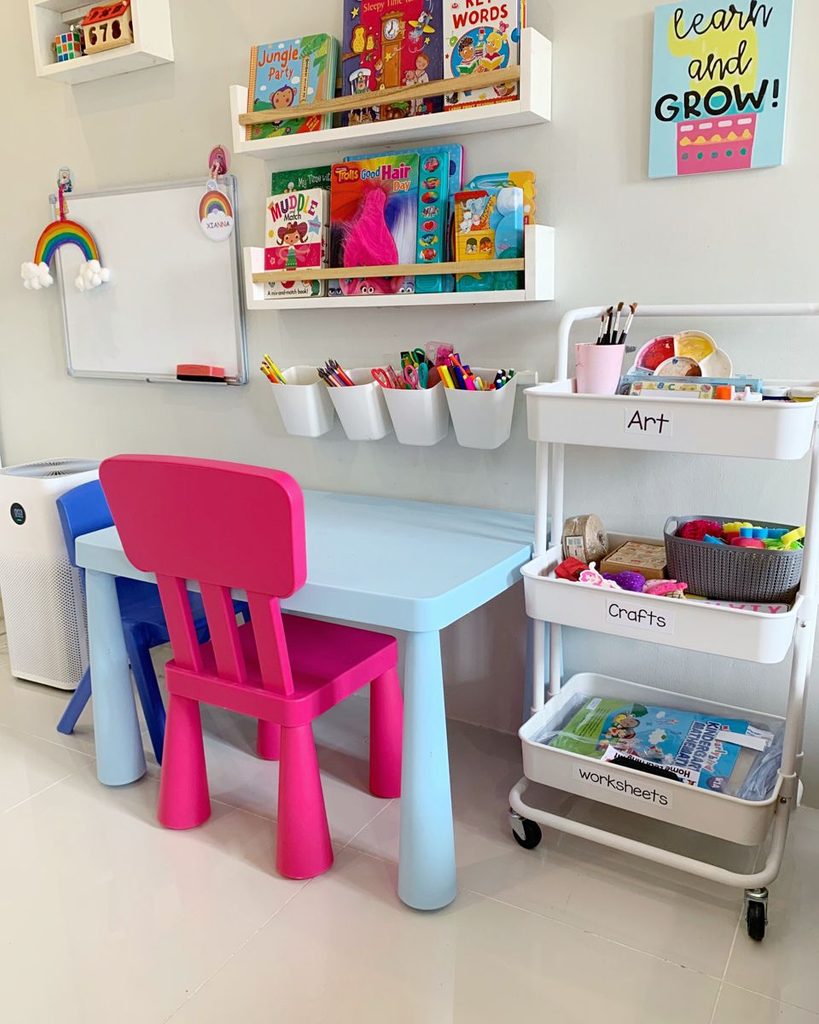
Build a Cozy, Enclosed Feeling
Children are drawn to small, enclosed spaces, which feel safe, private, and special in a way open areas do not. A canopy hung from the ceiling can transform a plain corner into a dreamy little hideaway.
A pop-up tent placed over a cushion creates an instant, cozy reading den within minutes.
Curtains on a simple rod can section off a nook, giving your child a sense of privacy. Even a large cardboard box, decorated together, can become a beloved reading fort for a season.
A cozy nook like this borrows ideas from The Best Way to Create a Playroom Without Filling Your Home With Toys. My niece had a small tent in her room, and she read there nearly every single evening.
She called it her library, and she guarded her book stack inside it with real pride. The enclosed feeling does not need to be elaborate or expensive to work its magic. A simple curtain, hung across an alcove or the end of a bed, often does the job well.
Keep the enclosed space ventilated and never fully sealed, since airflow keeps the spot comfortable for longer stretches. This small design choice can turn an ordinary corner into your child’s favorite spot in the house.
Children often return to enclosed spaces again and again, long after the novelty first wears off.
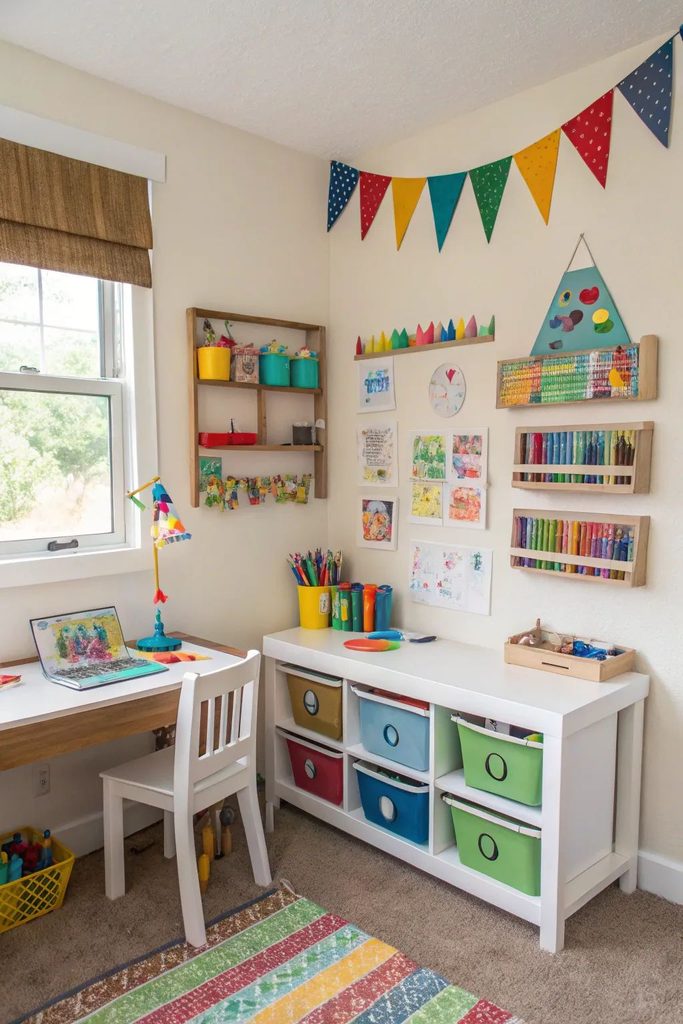
Add Warm, Adjustable Lighting
Lighting affects both comfort and eye health, so it deserves real thought in a reading corner. Harsh overhead light can feel cold and uninviting, while a warm lamp creates a softer, calmer mood.
Choose a lamp with a warm bulb, and place it close enough to light the pages clearly.
A clip-on light works well for a small nook, since it saves surface space in a tight corner. Avoid glare on the page, so position the light to the side rather than directly overhead.
String lights add a magical touch and a soft glow, though they should stay out of reach for toddlers.
Natural light from a nearby window is ideal during the day, so keep the view unobstructed if possible. In the evening, dim, warm lighting signals that it is time to slow down and relax.
A dimmer switch or a smart bulb lets you adjust brightness for different times of day.
Check the light level yourself by sitting in the spot and reading a page for a few minutes. Good lighting protects your child’s eyes and keeps reading sessions comfortable instead of straining and tiring.
Poor lighting is one of the quiet reasons children quit reading earlier than expected some evenings.
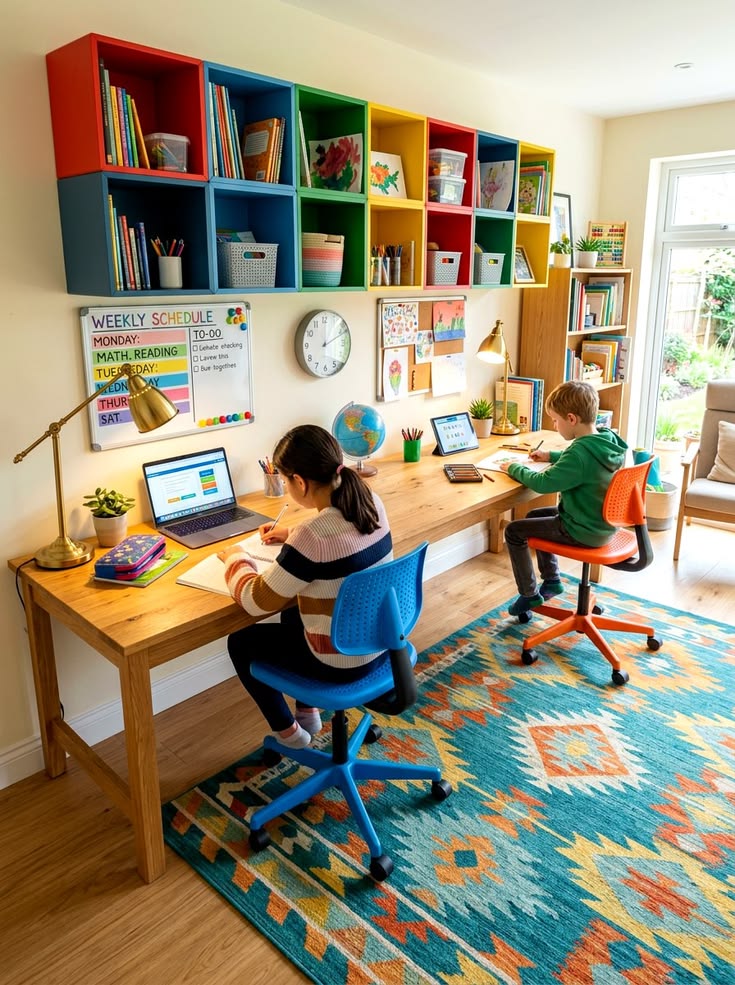
Add Soft Textures and a Rug
Texture adds warmth to a reading corner and makes the space feel finished rather than empty. A soft rug anchors the seating area and gives younger children a place to sprawl and stretch out.
Choose a rug that is easy to clean, since snacks and drinks often travel to this spot.
Layer in cushions of different sizes, since a mix of textures invites a child to get comfortable. A faux fur throw or a knitted blanket adds coziness during colder months of the year.
Avoid rough or scratchy fabrics, since children will avoid a spot that feels uncomfortable against their skin.
Textures also help define the boundary of the reading corner within a larger, shared bedroom. A distinct rug shape, like a circle or an oval, can visually separate this zone from the rest.
Keep textures washable and durable, since this area sees frequent, everyday use throughout the week.
A soft, textured space feels inviting from across the room, which naturally draws a child toward it. Even a quick glance from the doorway should feel warm enough to pull a child inside.

Personalize the Space With Your Child
A reading corner feels far more special when your child has helped shape how it looks. Ask them to choose the rug color, a cushion pattern, or a small decoration for the shelf.
Hang their own artwork nearby, since seeing their work displayed adds pride and a sense of ownership.
A neighbor of mine let her son pick fairy lights and a dinosaur poster for his reading nook. He proudly showed every visitor his corner, and he read there far more often afterward.
Personal touches do not need to be expensive, since even a name sign made from paper works well.
Let your child arrange a few favorite stuffed animals or toys near the seating area. These small companions can make the corner feel friendlier, especially for younger or more anxious children.
Involve your child in choosing which books go on display each week, giving them ownership over the rotation.
Ownership builds pride, and pride builds the habit of returning to the same beloved spot again and again. A corner your child helped build will always feel more special than one designed entirely by an adult.
Ownership turns a simple chair and shelf into a space worth protecting and returning to.

Keep Books Within Easy Reach
Books should be as easy to reach as toys, since any barrier reduces how often they get chosen. Low, open shelves let even young children browse and select a book without needing help from an adult.
Baskets and bins can hold board books for toddlers who are still learning how to handle pages.
For general organizing tips that also apply here, see How to Organize Toys So Kids Can Actually Find What They Want. Keep favorite, well-loved books at the very front, since children often return to the same few titles.
Group books loosely by type, such as picture books, chapter books, and nonfiction, to guide browsing. Avoid packing shelves too tightly, since tight shelves make it hard to pull a single book out.
Leave a little breathing room on each shelf, so books do not bend or tear during use.
Check the collection every month, and swap out books your child has outgrown or lost interest in. A rotating, accessible collection keeps the corner feeling fresh and encourages regular exploration of new titles.
Fresh options prevent boredom, which is often the quiet reason a reading habit fades over time.

Balance Fun Decor With a Calm Feel
A reading corner should feel inviting, but too much stimulation can actually work against quiet, focused reading. Choose a handful of decorative touches, like a garland, a small sign, or a framed print.
Avoid loud patterns, bright screens, or busy wallpaper directly within this specific little reading zone.
Balancing fun and function matters throughout the whole room, as The Complete Guide to Creating a Fun but Functional Kids’ Room explains. Soft, muted colors in the immediate reading area help signal that this spot is for calm activities.
Keep noisy or electronic toys away from the reading corner, since they can pull attention from the books. A single meaningful item, like a favorite stuffed animal, adds charm without cluttering the space.
Simplicity in this specific zone helps your child settle in and focus more easily on the story.
A calm, uncluttered reading corner supports longer, deeper reading sessions than a busy, overstimulating one ever could. Less visual noise in the corner leaves more mental space for the story on the page.

Make Room for a Grown-Up to Join
The best reading corners fit two people, since shared reading time builds connection and lasting memories. A slightly wider chair, a large beanbag, or floor cushions for two make shared stories comfortable.
Reading together also models good habits, since children copy the behaviors they see modeled by adults.
My sister reads with her daughter every night in a corner just big enough for the two of them. That small ritual has become the most peaceful part of their entire evening routine together.
Even ten minutes together in the corner can strengthen the habit far more than solo reading alone.
Leave a little extra floor space nearby for a grown-up to sit on a cushion if needed. As your child grows older, this shared spot can shift into an independent reading habit naturally.
The early years of shared reading in that corner often build the strongest lifelong reading habits.
Plan the space with two people in mind from the very beginning, even if it starts small. A little extra planning now saves an awkward, cramped rearrangement further down the road later.
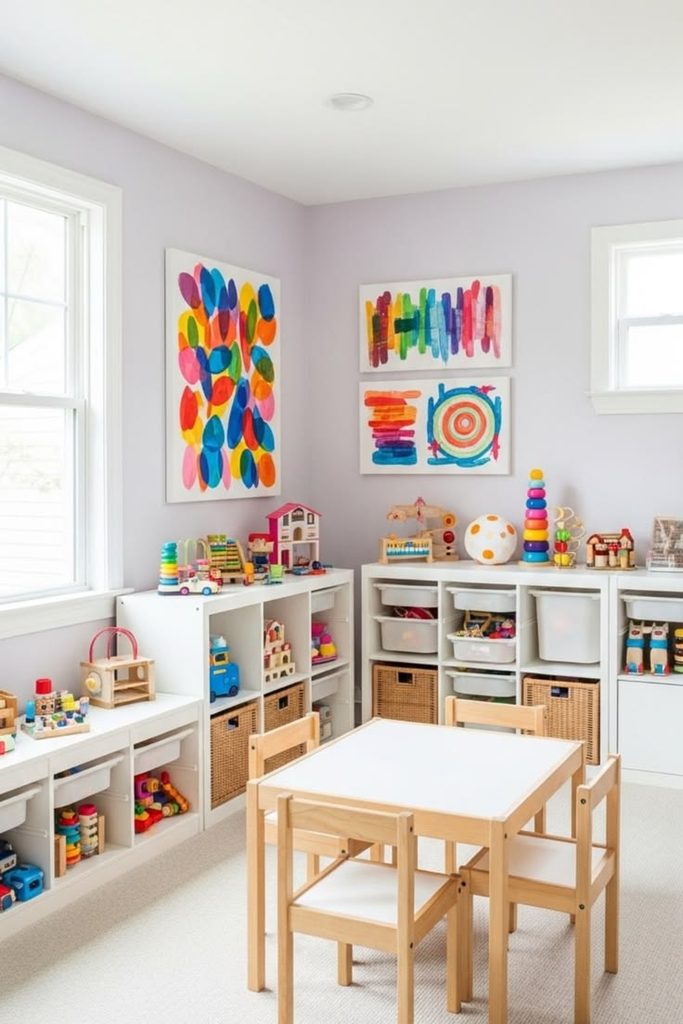
Include a Cozy Spot for Audiobooks and Music
Not every reading session needs a printed page, since audiobooks and read-along recordings count too. A small speaker or a simple audio player can sit on a nearby shelf within easy reach.
Choose a device with large, simple buttons, so your child can operate it without needing help.
Audiobooks work well for reluctant readers, since they build vocabulary and story skills without the pressure of decoding text. Pair a printed copy with its audio version, so your child can follow along with the pages.
Keep headphones nearby for shared spaces, so audio stories do not disturb a sleeping sibling.
A basket of story CDs or a small tablet loaded with audiobooks fits neatly into this same corner. Rotate audio titles the same way you rotate printed books, keeping the selection fresh and appealing.
This small addition widens what counts as reading time and welcomes different kinds of learners equally. It works well for children who love stories but still find printed pages a struggle.
A flexible reading corner, ready for both books and audio, serves a wider range of moods and needs. Some evenings call for a printed page, and others call for a familiar, comforting voice.

Add a Reading Journal or Tracker
A simple reading journal can turn quiet reading time into a small, satisfying sense of achievement. A notebook or a printed chart lets your child mark off each book as they finish it.
Stickers work well for younger children, since a colorful sticker feels like a small, exciting reward.
Older kids might enjoy writing one or two sentences about their favorite part of each story. Keep the tracker simple, since a complicated system can turn reading into homework rather than a fun choice.
Display the tracker somewhere visible, like a small clipboard hung on the wall near the reading shelf.
Celebrate milestones together, like finishing ten books, with a small treat or a trip to the library. This does not need to feel competitive, since the goal is steady enjoyment, not pressure or comparison.
A visible record of progress can motivate a child on days when reading otherwise feels like a chore.
Over time, that journal becomes a lovely record of your child’s growing taste and reading journey. Years later, flipping through it can bring back memories neither of you expected to keep.

Connect the Reading Corner to a Study Routine
As your child grows, the reading corner and the study area often start to overlap and blend. Keep them close but distinct, since reading should feel different from focused, structured homework time.
For homework-specific advice, read How to Create a Kids’ Study Space That Encourages Better Focus.
A reading corner can serve as a calming break during a longer homework session at the desk. Encourage your child to read for pleasure there before or after tackling schoolwork elsewhere in the room.
This contrast helps children learn that reading can be both an academic tool and a source of joy.
Keep school books on a separate shelf from the pleasure-reading collection, so the two do not blur together. A clear line between fun reading and required reading protects the corner’s calm, low-pressure feeling.
Over time, this balance helps children see reading as a lifelong pleasure, not only a school task. That difference shapes if they keep reading for fun long after school days are done.

Fit the Corner Into a Shared Bedroom
Siblings sharing a room can still each enjoy their own version of a reading corner nearby. For more guidance on shared spaces, read What Every Parent Should Know Before Designing a Shared Kids’ Bedroom.
A double-wide window seat can give two children their own cushion and their own small book basket.
Assign each child their own shelf or basket, even if the seating area itself is shared. This avoids arguments over ownership while still letting siblings enjoy reading time together in the same spot.
A shared reading corner can also become a bonding ritual, especially at bedtime with both children present.
Set clear, simple turns for any single favorite chair, so both children feel their needs are respected. Keep noise expectations clear too, since one child reading quietly should not be disrupted by a louder sibling.
A well-planned shared corner turns potential conflict into a peaceful, shared family habit around books.

Design With Montessori Principles in Mind
Many of the best reading corners quietly follow Montessori ideas, even without you realizing it. Low shelves, easy access, and child-sized furniture all reflect child-led learning principles at their core.
For more on this approach, see How to Create a Montessori-Inspired Kids’ Room Without Redoing Everything.
The goal is independence, letting a child choose, retrieve, and return a book without asking for adult help.
A simple, uncluttered shelf supports focus better than a shelf crammed with too many competing options. Order matters too, so keep books, cushions, and toys each in a clear, consistent spot.
This approach does not require special or expensive furniture, only thoughtful placement and a a child’s-eye view of the room.
Sit or kneel at your child’s height occasionally, and look at the corner from their exact perspective. That view often reveals small barriers, like a shelf too high, that are easy to fix.

Wrapping Up
A reading corner your child will actually use combines comfort, good lighting, easy access, and a touch of personal charm. Choose a quiet, well-lit spot, add cozy seating, and display books with their covers facing outward.
Keep the space calm rather than overstimulating, and involve your child in shaping how it looks and feels.
Add small extras, like an audiobook player or a simple reading tracker, to keep the habit fresh and rewarding. Shared with a sibling or a parent, the corner works best when it feels warm and inviting.
These choices cost little compared to the years of enjoyment a well-loved reading spot can bring.
Beautiful, colorful, inviting spaces genuinely do pull children in, just as they did for your own reading habits. Build that kind of space once, tend it with small updates, and your child will return to it often.
Start this weekend with one simple change, like a new cushion or a shelf of favorite books. A single small update is often enough to spark fresh interest in a familiar corner.

